
Nerve pain often feels very different from regular muscle soreness or joint pain. Instead of a dull ache or tightness, it may feel like burning, tingling, electric shocks, numbness, or pain that radiates down an arm or leg.
If these symptoms are becoming more frequent or harder to ignore, exploring pain management New Jersey options can help you understand what may be causing them. Knowing how nerve pain behaves can also help you decide when it is time for a professional evaluation.
Nerve Pain Can Feel Very Different From Other Types of Pain
Burning sensations
Burning is one of the most common ways people describe nerve pain. It may feel like heat under the skin, even when the area is not actually warm to the touch.
Some people feel a constant burning discomfort. Others notice it more at night, after sitting too long, or when the irritated nerve is under pressure. The skin may also feel extra sensitive, making clothing, blankets, or light contact uncomfortable.
Tingling and pins-and-needles feelings
Nerve pain can also feel like tingling, buzzing, crawling, or pins and needles. It may feel similar to a foot or hand “falling asleep,” except the feeling does not always go away quickly.
These symptoms may come and go. They may appear during certain movements, after staying in one position too long, or when a nerve is irritated by compression or inflammation.
Electric shock or shooting pain
Some nerve pain feels like a sudden zap, jolt, or electric shock. It may happen quickly and intensely, then disappear just as fast.
This type of pain often travels along a nerve pathway. For example, it may shoot from the lower back into the leg or from the neck into the shoulder, arm, or hand. Certain movements, posture changes, bending, twisting, or pressure on the nerve may trigger it.
Numbness or reduced sensation
Nerve pain does not always feel painful in the usual sense. Sometimes it feels like numbness, reduced sensation, or an area that feels “dead” or disconnected.
You may have trouble sensing touch, pressure, temperature, or texture in the affected area. In some cases, numbness may come with weakness, heaviness, or a feeling that the limb is not responding the way it should.
Hypersensitivity to touch
Some nerve pain makes the body overly sensitive. Light contact may feel painful, even when it should not hurt.
For example, bedsheets, clothing, or a gentle touch may trigger burning, stinging, or sharp discomfort. This happens when irritated nerves become too reactive and start sending stronger pain signals than normal.
Common Signs That May Point Toward Nerve Pain
Pain that radiates down the arms or legs
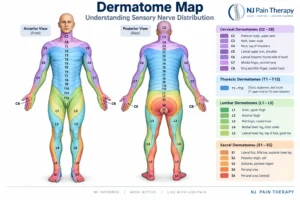
Radiating pain is a major clue that a nerve may be involved. Pain may start in the neck or back but travel into the shoulder, arm, hand, buttock, leg, or foot.
This happens because nerves run through pathways. When one part of the pathway is irritated, the pain can show up somewhere else.
Burning or tingling in the hands or feet
Burning, tingling, buzzing, or pins and needles in the hands or feet may point toward nerve irritation or peripheral neuropathy.
These symptoms may feel mild at first, but they can become more noticeable over time. They may also be worse at night or after long periods of sitting, standing, or repetitive movement.
Muscle weakness or heaviness
Nerve problems can sometimes affect strength. A limb may feel weak, heavy, tired, or harder to control.
This can happen when the nerve is not sending clear signals to the muscles. Weakness should always be taken seriously, especially if it is new, worsening, or affecting walking, grip, or balance.
Difficulty balancing or walking
Nerves help the body sense position and movement. When nerve signals are disrupted, balance and walking can become more difficult.
Some people feel unsteady, trip more often, or feel like their legs are heavy or unreliable. This may happen with nerve compression, neuropathy, spinal stenosis, or other nerve-related conditions.
Dropping objects or grip weakness
If nerve irritation affects the hand, wrist, arm, or neck, it may become harder to grip objects. You may notice yourself dropping things, struggling to open jars, or feeling weakness in the fingers.
This can happen when nerves that control sensation or muscle function are affected.
Symptoms that come and go suddenly
Nerve symptoms are not always constant. They may flare suddenly, fade, then return later.
A certain position, movement, activity, or pressure point may trigger symptoms. This stop-and-start pattern can make nerve pain confusing, but it can also give doctors useful clues about where the irritation may be coming from.
Why Nerve Pain Feels So Different
Nerves communicate through electrical signals
Nerves act like communication lines between the body and brain. They carry signals related to touch, temperature, pressure, movement, and pain.
When everything is working normally, those signals are clear. The brain receives the message and interprets it correctly.
When a nerve is irritated or damaged, the message can become distorted. The brain may receive abnormal signals and interpret them as burning, tingling, numbness, or sharp pain.
Damaged nerves can misfire
Nerves can misfire when they are compressed, inflamed, irritated, or damaged. This means they may send pain signals even when there is no new injury happening in that moment.
A compressed spinal nerve, irritated sciatic nerve, or damaged peripheral nerve may create symptoms that feel random or intense. The issue is not always where the pain is felt. Sometimes the true source is higher up along the nerve pathway.
The brain interprets abnormal nerve activity as pain
The brain has to make sense of the signals it receives. When nerve signals are abnormal, the brain may interpret them as burning, tingling, electric sensations, or sharp shooting pain.
That is why nerve pain can feel so unusual. It may not look obvious from the outside, but the nervous system is sending a very real pain message.
Common Causes of Nerve Pain
Herniated discs and spinal nerve compression
A herniated disc can press on or irritate nearby spinal nerves. When this happens, pain may travel away from the spine and into the arms or legs.
In the lower back, a herniated disc may cause leg pain, tingling, numbness, or weakness. In the neck, it may cause symptoms that travel into the shoulder, arm, or hand.
Sciatica
Sciatica happens when the sciatic nerve becomes irritated or compressed. This nerve runs from the lower back through the buttock and down the leg.
Common symptoms include shooting leg pain, burning, tingling, numbness, or pain that gets worse with sitting, bending, or certain movements.
Peripheral neuropathy
Peripheral neuropathy affects nerves outside the brain and spinal cord. It often causes symptoms in the feet, legs, hands, or arms.
People may feel burning, tingling, numbness, electric shocks, or weakness. Symptoms may develop gradually and can affect balance, walking, and daily comfort.
Diabetes-related nerve damage
Diabetes is a common cause of peripheral neuropathy. Over time, high blood sugar can damage nerves, especially in the feet and hands.
Diabetes-related nerve pain may feel like burning, tingling, numbness, or sensitivity. It may also make it harder to feel injuries, temperature changes, or pressure in the feet.
Injuries or surgery
Falls, accidents, sports injuries, fractures, and surgery can all irritate or damage nerves. A nerve may be stretched, compressed, inflamed, or affected by scar tissue.
Symptoms may appear near the injury or travel along the nerve pathway. This can include sharp pain, numbness, tingling, weakness, or hypersensitivity.
Pinched nerves
A pinched nerve occurs when surrounding tissue puts pressure on a nerve. This can happen in the neck, lower back, wrist, elbow, or other areas.
Symptoms may include burning, tingling, numbness, shooting pain, or weakness. The pain may worsen with certain positions or movements.
Spinal stenosis
Spinal stenosis happens when the spaces around the spinal nerves narrow. This can crowd or compress nerves, especially in the neck or lower back.
Symptoms may include pain, tingling, weakness, numbness, or heaviness in the arms or legs. In the lower back, spinal stenosis may make standing or walking more uncomfortable and may improve when sitting or leaning forward.
When Nerve Pain May Become More Serious
Increasing numbness or weakness
Numbness or weakness should be taken seriously when it is getting worse, spreading, or affecting how you move. Nerve pain is not always just about discomfort. Sometimes it can affect strength, coordination, and sensation.
If your leg feels weaker, your foot drags, your grip changes, or an area feels increasingly numb, it may be a sign that the nerve is under ongoing pressure or irritation.
Problems walking or balancing
Nerves help your body sense position, movement, and stability. When nerve signals are disrupted, walking and balance can become harder.
You may feel unsteady, trip more often, or notice that your legs feel heavy or unreliable. These symptoms may point to nerve compression, peripheral neuropathy, spinal stenosis, or another nerve-related issue that should be evaluated.
Pain affecting sleep or daily activity
Nerve pain that keeps you awake, wakes you up at night, or makes everyday tasks harder should not be ignored. Burning, tingling, or shooting pain can become exhausting when it interferes with rest and routine movement.
Early diagnosis matters because the longer nerve irritation continues, the more sensitive the nervous system may become. Getting the source identified can help prevent symptoms from becoming more disruptive.
Symptoms spreading into new areas
If symptoms begin in one area and start spreading into the arm, hand, leg, foot, or another part of the body, that can be an important clue.
Radiating or spreading pain may mean the nerve pathway is involved. It does not always mean something dangerous is happening, but it does mean the pattern is worth paying attention to.
Persistent burning or electrical sensations
Burning, buzzing, tingling, or electric shock sensations that keep returning may suggest nerve irritation. These symptoms can be especially concerning when they are paired with numbness, weakness, or pain that travels down a limb.
The goal is not just to quiet the pain temporarily. The goal is to understand why the nerve is irritated so treatment can address the actual source.
How Doctors Diagnose Nerve Pain
Reviewing symptom patterns
Doctors often start by asking detailed questions about how the pain feels and behaves. This includes where it starts, where it travels, what triggers it, what makes it better, and whether symptoms include numbness, tingling, weakness, or burning.
These patterns matter. Nerve pain often follows certain pathways, and the way symptoms move can help point toward the source.
Physical examination and reflex testing
A physical exam helps check how the nerves and muscles are functioning. This may include testing reflexes, muscle strength, sensation, flexibility, and movement.
For example, weakness in a certain muscle group or reduced sensation in a specific area may help identify which nerve is affected. Reflex changes can also provide clues about nerve compression or irritation.
Imaging and nerve studies
Depending on the symptoms, a doctor may recommend imaging or nerve testing. An MRI can help show issues like herniated discs, spinal stenosis, or other structural problems that may be pressing on nerves.
Nerve studies may help evaluate how well nerves are sending signals. These tests are not needed for every case, but they can be useful when symptoms are persistent, complex, or unclear.
Identifying the pain generator
The pain generator is the actual source of the pain. With nerve pain, that source is not always where the symptoms are felt.
For example, leg pain may come from a lower back nerve issue. Hand symptoms may come from the neck, wrist, or elbow. Identifying the pain generator helps avoid guesswork and allows treatment to be more specific.
Treatment Options for Nerve Pain
Epidural steroid injections
Epidural steroid injections may be used when inflammation around spinal nerves is contributing to pain. This can happen with herniated discs, sciatica, or spinal stenosis.
The goal is to reduce inflammation near the irritated nerve so pain, tingling, burning, or radiating symptoms can calm down. This is a non-surgical option that may help when nerve pain has not improved with basic care.
Nerve blocks
A nerve block is a targeted injection that can help interrupt pain signals from a specific nerve or nerve group. It may also help confirm whether a certain nerve is the source of the symptoms.
If relief occurs after a nerve block, that information can help guide the next step in treatment. Nerve blocks are often used as part of a non-surgical plan for diagnosing and managing nerve-related pain.
Radiofrequency ablation
Radiofrequency ablation uses controlled heat energy to disrupt pain signals from targeted nerves. It is not used for every type of nerve pain, but it may help when specific nerves are repeatedly sending pain signals.
RFA is often considered after diagnostic injections show that a certain nerve pathway is involved. For the right patient, it may provide longer-lasting relief without surgery.
Peripheral nerve stimulation
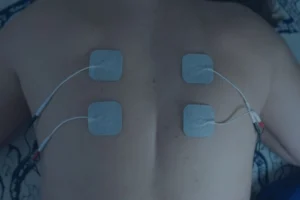
Peripheral nerve stimulation uses a small device to send mild electrical impulses near targeted nerves. These impulses can help change how pain signals are processed before they reach the brain.
This may be considered for certain chronic nerve pain conditions when other treatments have not provided enough relief. The goal is to reduce pain, improve function, and give patients another non-surgical option.
Physical therapy
Physical therapy can help when nerve pain is connected to posture, weakness, stiffness, or pressure on irritated nerves.
A therapy plan may include gentle strengthening, mobility work, stretching, nerve gliding, and movement retraining. The goal is to reduce stress on the affected nerve and improve how the body moves during daily activity.
Lifestyle modifications
Lifestyle changes can support nerve pain treatment. This may include avoiding long periods in one position, improving posture, adjusting sleep position, staying active in a safe way, managing blood sugar when relevant, and reducing repeated strain.
These changes may not fix the problem by themselves, but they can help reduce flare-ups and support better long-term function.
Frequently Asked Questions About What Nerve Pain Feels Like
What does nerve pain usually feel like?
Nerve pain often feels burning, tingling, sharp, shooting, numb, or electric. Some people also describe buzzing, crawling, pins and needles, or pain that radiates down an arm or leg.
Can nerve pain feel like electric shocks?
Yes. Irritated or damaged nerves can send abnormal signals that the brain interprets as sudden zaps, shocks, or shooting pain.
Is tingling always nerve-related?
Not always, but tingling is commonly linked to nerve irritation, compression, or reduced nerve function. Persistent or worsening tingling should be evaluated.
Why does nerve pain come and go?
Nerve pain may come and go because symptoms can change with posture, movement, inflammation, pressure on the nerve, or nervous system sensitivity.
Can nerve pain cause weakness?
Yes. If a nerve is affected enough, it may interfere with muscle signals and cause weakness, heaviness, grip issues, or difficulty walking.
What causes burning nerve pain?
Burning nerve pain may be caused by nerve compression, inflammation, peripheral neuropathy, diabetes-related nerve damage, herniated discs, sciatica, or spinal stenosis.
When should nerve pain be evaluated?
Nerve pain should be evaluated when it persists, worsens, spreads, affects sleep or movement, or comes with numbness, tingling, weakness, or balance problems.
Understanding What Nerve Pain Feels Like Can Help You Find the Right Treatment
Nerve pain often feels burning, electrical, tingling, numb, or radiating. It may come and go, travel down an arm or leg, or feel worse with certain positions or movements.
Persistent nerve symptoms should not be ignored, especially when they involve weakness, spreading numbness, balance changes, or pain that affects sleep and daily life. Proper diagnosis helps identify the source, understand why the nerve is irritated, and guide the right treatment plan.
If you are dealing with ongoing numbness, tingling, burning, shooting pain, or electric shock sensations, exploring pain treatment in New Jersey options can help you get answers and find a non-surgical path forward.