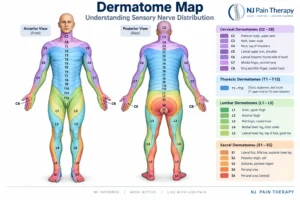
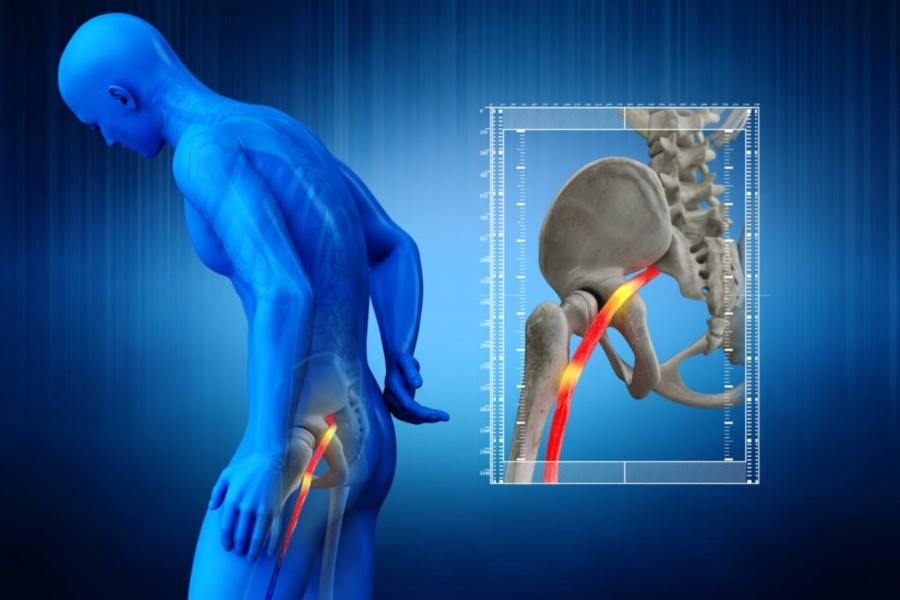
Sciatica usually feels like pain that starts in the lower back, buttock, or hip and travels down one leg. It can feel burning, shooting, tingling, numb, or like an electric shock moving through the leg.
If those symptoms keep coming back, exploring pain management New Jersey options can help identify whether the sciatic nerve is irritated before the problem gets worse. Recognizing the pattern early can make it easier to find the source and choose the right treatment.
What Sciatica Pain Usually Feels Like
Shooting pain down one leg
Sciatica often causes pain that starts in the lower back or buttock and travels into one leg. It may move through the back of the thigh, into the calf, and sometimes all the way into the foot or toes.
This traveling pattern is one of the biggest signs that the sciatic nerve may be involved. Sciatica usually affects one side because the irritated nerve root is commonly on one side of the lower spine.
Burning or electric shock sensations
Sciatica can feel like burning leg pain, sharp zaps, or sudden electric shocks. These sensations may come and go quickly, or they may flare with certain movements.
Some people notice electric pain when bending, coughing, sneezing, lifting, or changing positions. That happens because those movements can increase pressure around the irritated nerve.
Tingling, pins and needles, or numbness
Sciatica does not always feel like pain alone. It can also cause tingling, pins and needles, or numbness in the leg or foot.
The foot or leg may feel like it is “asleep,” even when you have not been sitting in a strange position. Tingling may be intermittent, while numbness may suggest that the nerve is not sending normal sensation signals.
Weakness or heaviness in the leg
In some cases, sciatica can make the leg feel weak, heavy, or unstable. You may notice leg fatigue, difficulty walking, or trouble trusting the affected side.
Foot weakness can also happen if nerve signals are affected enough. If the foot feels hard to lift or starts dragging, that should be evaluated quickly.
How Sciatica Feels Different From a Muscle Strain
Muscle pain usually stays local
A muscle strain usually feels sore, tight, or tender in one specific area. You may feel pain when pressing on the muscle, stretching it, or using it.
Muscle pain can definitely be uncomfortable, but it usually does not follow a clear nerve pathway down the leg.
Sciatica tends to travel
Sciatica is different because the pain often radiates. It may start in the lower back, buttock, or hip, then move down the thigh, calf, foot, or toes.
That traveling pattern is a nerve clue. The pain is not always coming from the area where you feel it most. The source may be an irritated nerve in the lower spine.
Rest may not fully fix sciatica
A strained muscle often improves with rest, gentle movement, and time. Sciatica may not resolve as easily if the nerve is still being compressed or irritated.
That is why proper diagnosis matters. Treating sciatica like a basic leg strain can delay care if the real issue is a disc problem, spinal stenosis, or another source of nerve pressure.
Common Triggers That Make Sciatica Feel Worse
Sitting for long periods
Sitting can increase pressure on the lower back and buttock area. For some people, that position aggravates the sciatic nerve and causes pain to travel down the leg.
Long drives, desk work, or sitting on soft furniture may make symptoms worse.
Bending or lifting
Bending forward or lifting with poor mechanics can increase stress on the lower spine. If a disc or nerve root is already irritated, that movement may trigger shooting or burning pain.
This is why sciatica may flare after lifting something heavy or even after bending for something small.
Coughing or sneezing
Coughing, sneezing, or straining can briefly increase pressure in the spine. If a nerve is compressed, that pressure change may send a sharp jolt down the leg.
This type of symptom is often associated with nerve irritation rather than a simple muscle strain.
Driving
Driving combines sitting, hip position, vibration, and limited movement. That can aggravate sciatica for many people.
Pain may start in the buttock or lower back and build into the thigh, calf, or foot during longer drives.
Standing or walking in certain cases
Some people feel worse with standing or walking, especially if spinal stenosis or nerve compression is involved. The leg may feel painful, heavy, numb, or weak.
Others may feel better with walking. The pattern depends on what is irritating the nerve and where the compression is happening.
What Causes Sciatica Symptoms?
Herniated discs
A herniated disc is one of the most common causes of sciatica. When disc material presses on or irritates a nearby nerve root, pain can travel from the lower back into the leg.
Symptoms may include shooting pain, tingling, numbness, or weakness along the nerve pathway.
Spinal stenosis
Spinal stenosis happens when the space around the spinal nerves becomes narrowed. This can crowd or compress nerve roots in the lower back.
Sciatica from spinal stenosis may feel worse with standing or walking and may improve when sitting or leaning forward.
Bone spurs or arthritis
Arthritis can cause inflammation, stiffness, and bony changes around the spine. Bone spurs may narrow the space where nerves travel.
When these changes irritate or compress nerve roots, sciatica symptoms can develop.
Piriformis-related irritation
The piriformis is a muscle deep in the buttock near the sciatic nerve. If this muscle becomes tight or irritated, it may contribute to sciatic-like symptoms.
This can cause buttock pain, leg pain, tingling, or discomfort that worsens with sitting.
Pregnancy or added pressure on the lower back
Pregnancy can add pressure to the lower back, pelvis, and hips. Changes in posture, weight distribution, and ligament laxity may also irritate nearby nerves.
Some people develop sciatica-like pain during pregnancy, especially as the lower back and pelvis take on more stress.
When Sciatica Pain May Be More Serious
Severe or worsening leg weakness
Leg weakness is more concerning than pain alone. If the leg feels increasingly weak, unstable, or hard to control, the nerve may be affected more seriously.
Worsening weakness should be evaluated promptly.
Foot drop or trouble lifting the foot
Foot drop means you have trouble lifting the front of your foot while walking. You may drag the foot, trip more often, or feel like the foot is not responding normally.
This can be a sign of significant nerve involvement and should not be ignored.
Loss of bladder or bowel control
Loss of bladder or bowel control with severe back or leg pain is an emergency symptom. It may indicate serious nerve compression that needs immediate medical attention.
Do not wait for a routine appointment if this happens.
Numbness in the groin or saddle area
Numbness in the groin, inner thighs, or saddle area can also be an emergency warning sign. This may suggest compression of nerves at the base of the spine.
Seek emergency care if this occurs, especially with weakness or bladder or bowel changes.
Pain that keeps returning or limits daily life
Sciatica that keeps returning, disrupts sleep, affects walking, or limits normal activity should be evaluated.
Even if the pain is manageable at times, recurring symptoms may mean the underlying nerve irritation has not fully resolved.
How Doctors Diagnose Sciatica
Symptom history and pain pattern
A doctor will usually start by asking how the pain started, where it travels, what triggers it, and what makes it better or worse.
The pattern of pain matters. Pain that starts in the back or buttock and travels down one leg often gives important clues about sciatic nerve involvement.
Strength, reflex, and sensation testing
A physical exam may include checking muscle strength, reflexes, and sensation in the legs and feet.
These tests help show whether a nerve is being affected and which nerve pathway may be involved.
Imaging such as MRI when needed
If symptoms are severe, persistent, or linked with weakness or numbness, imaging may be recommended. An MRI can help show whether a herniated disc, spinal stenosis, or another structural issue is pressing on a nerve.
Imaging is not always needed right away, but it can be useful when symptoms do not improve or when there are red flags.
Finding the source of nerve compression
Sciatica is a symptom, not the final diagnosis. The real goal is to find what is irritating or compressing the nerve.
That source may be a disc, narrowed spinal space, arthritis, muscle-related irritation, or another issue. Treatment works best when it targets the actual cause.
Treatment Options for Sciatica Pain
Physical therapy
Physical therapy can help reduce pressure on the sciatic nerve by improving mobility, strength, posture, and movement patterns.
A therapist may guide stretches, core strengthening, hip mobility, and safer ways to bend, lift, sit, or walk. The goal is to reduce irritation and help prevent future flare-ups.
Anti-inflammatory medication when appropriate
Anti-inflammatory medication may help reduce pain and inflammation around irritated tissues when it is safe for the patient to take.
This should be used carefully, especially for people with certain medical conditions or medication restrictions. A clinician can help determine what is appropriate.
Epidural steroid injections
Epidural steroid injections may be used when inflammation around a spinal nerve is contributing to sciatica.
The goal is to deliver anti-inflammatory medication near the irritated nerve root. This may help reduce radiating leg pain, burning, tingling, and inflammation without surgery.
Activity modification and home care
Home care may include short periods of rest, gentle walking, ice or heat, avoiding painful positions, and modifying activities that trigger symptoms.
The goal is not to stay inactive for too long. Gentle movement is often important for reducing stiffness and supporting recovery.
Surgery only when conservative care is not enough
Most sciatica cases do not need surgery. Surgery may be considered when symptoms are severe, persistent, linked with significant nerve compression, or not improving after conservative treatment.
Emergency symptoms like bladder or bowel changes, saddle numbness, or severe progressive weakness should be addressed immediately.
Understanding Sciatica Pain Can Help You Find the Right Treatment
Sciatica is nerve-related leg pain, not just regular soreness. It often feels burning, tingling, shooting, numb, electric, or radiating, and it usually travels from the lower back or buttock down one leg.
Persistent sciatica symptoms should be evaluated, especially if the pain keeps returning, limits daily activity, or comes with numbness or weakness. The right treatment depends on finding what is irritating the nerve.
If you are dealing with ongoing burning, tingling, shooting, or radiating leg pain, exploring pain treatment New Jersey options can help identify the source and guide the next step toward relief.