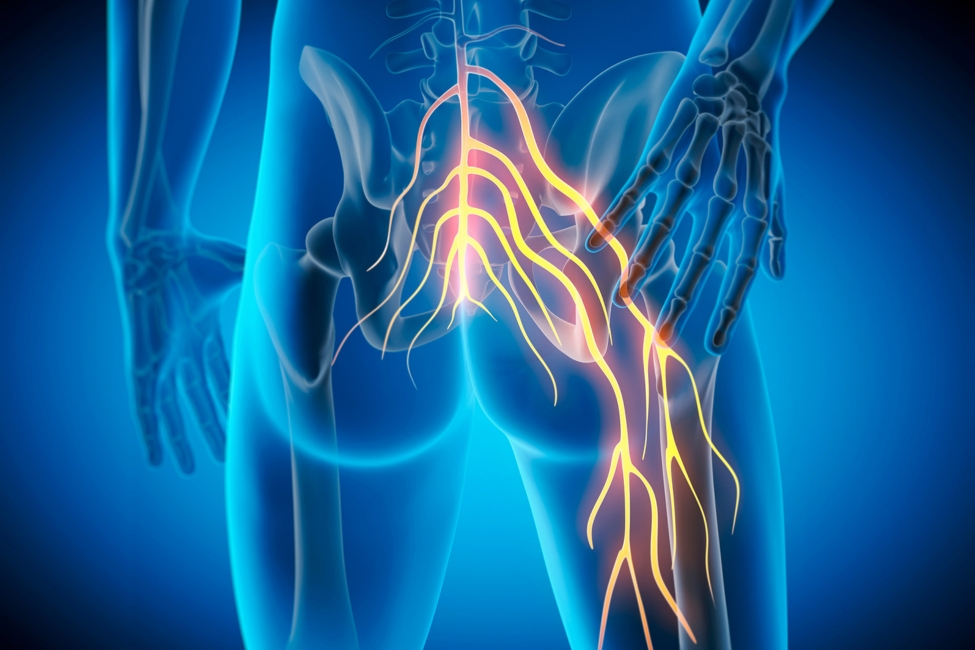
Many people accidentally make sciatica worse through everyday habits like sitting too long, poor posture, improper lifting, and inactivity. When the sciatic nerve is irritated, those habits can trigger burning, radiating, tingling, or shooting leg pain.
If your symptoms keep flaring, exploring pain management New Jersey options can help identify what is irritating the nerve and how to calm it down. Catching these aggravating habits early may help reduce flare-ups, protect the nerve, and prevent symptoms from becoming more persistent.
Sitting Too Much Can Increase Sciatic Nerve Pressure
Long periods of sitting compress the lower back
Sitting for hours can place extra pressure on the lower spine, discs, hips, and nerves. If the sciatic nerve is already irritated, that pressure can make pain travel into the buttock, thigh, calf, or foot.
Long sitting can also tighten the hip flexors and hamstrings. When those muscles get tight, they can change how your lower back and pelvis move, which may increase nerve irritation.
Soft couches and unsupported chairs may worsen symptoms
Deep couches and unsupportive chairs may feel comfortable at first, but they often encourage slouching. That rounded position can increase strain on the lower back and make sciatica symptoms worse.
A firmer chair with lower back support is usually better than sinking into a soft seat. Your spine should feel supported, not collapsed.
Small movement breaks can help
You do not need a huge routine to make a difference. Standing every 30 to 45 minutes, taking a short walk, or doing gentle stretches can help reduce stiffness and nerve pressure.
The goal is to break up long periods of compression before symptoms build.
Poor Posture Can Put More Stress on the Sciatic Nerve
Slouching increases spinal pressure
Slouching shifts more pressure onto the lower spine. If a disc, joint, or nerve root is already irritated, this position may make symptoms flare faster.
Better posture helps distribute pressure more evenly through the spine and hips.
Rounded shoulders and forward head posture affect alignment
Posture is connected from top to bottom. Rounded shoulders and a forward head position can pull the spine out of alignment and increase stress through the back.
Over time, that extra strain can contribute to muscle tension, stiffness, and nerve irritation.
Unsupported lower backs increase disc stress
When your lower back has no support, the spine may flatten or round while sitting. This can increase disc pressure and make sciatic nerve symptoms worse.
A small lumbar pillow, rolled towel, or supportive chair can help maintain the natural curve in your lower back.
Too Much Rest Can Make Sciatica Worse
Prolonged inactivity weakens supportive muscles
Rest can help during a severe flare-up, but too much rest can work against you. Long periods of inactivity can weaken the muscles that support your spine.
When those muscles weaken, the lower back may become less stable, which can make sciatica more likely to return.
Tight muscles can increase nerve irritation
Inactivity can also make the hips, hamstrings, and lower back tighter. Tight muscles may place more tension around the sciatic nerve pathway.
That tightness can make simple movements feel harder and increase the chance of another flare-up.
Gentle movement often helps recovery
Gentle movement is usually better than staying completely still. Short walks, light mobility, and safe stretching can improve circulation and reduce stiffness.
The key is to stay active without pushing into severe pain. Movement should feel controlled, not forced.
Lifting the Wrong Way Can Trigger Flare-Ups
Bending at the waist increases spinal pressure
Bending from the waist can place more pressure on the lower back, especially when lifting something from the floor.
Instead, bend your knees, keep your chest up, and use your legs when possible. This helps reduce strain on the spine.
Twisting while lifting can aggravate nerves
Twisting while holding weight is one of the fastest ways to irritate the lower back. That combination can stress the discs, joints, and nearby nerves.
Turn your whole body instead of rotating through the lower back while lifting.
Heavy lifting may worsen disc irritation
If sciatica is related to disc irritation, heavy lifting can make symptoms flare. Sudden jerking motions can also increase pressure around the nerve.
Keep objects close to your body, avoid rushing, and break heavier loads into smaller ones when possible.
Certain Sleeping Positions May Irritate Sciatica
Sleeping on the stomach can strain the lower back
Stomach sleeping can force the lower back into an extended position for hours. For some people, that position increases pressure and makes sciatica worse.
If stomach sleeping triggers symptoms, try shifting to your side or back with support.
Side sleeping with support may reduce pressure
Side sleeping may feel better when the spine and hips are supported. Placing a pillow between your knees can help keep the pelvis aligned and reduce strain on the lower back.
This can be especially helpful if sciatica flares at night.
Mattress and pillow support matter
A mattress that is too soft may let your hips sink, while a mattress that is too firm may increase pressure points. The right setup should support your spine without forcing it into an awkward position.
A pillow under the knees while lying on your back can also reduce lower back tension overnight.
Footwear and Clothing Choices Can Affect Sciatica
High heels can change spinal mechanics
High heels shift your weight forward and can change pelvic positioning. That may increase stress through the lower back, hips, and hamstrings.
For some people with sciatica, that added tension can aggravate symptoms.
Unsupportive shoes may increase strain
Shoes without enough support can affect how your feet, knees, hips, and back absorb impact. Over time, that can increase strain through the sciatic nerve pathway.
Supportive footwear can help improve alignment during walking and standing.
Tight clothing may irritate surrounding tissues
Very tight clothing around the waist, hips, or thighs can create pressure and restrict movement. That may irritate sensitive tissues around the lower back, hips, or buttock.
If symptoms flare when wearing certain clothing, looser options may help reduce compression.
Carrying Heavy Items Incorrectly Can Irritate the Sciatic Nerve
Heavy backpacks increase spinal stress
A heavy backpack can pull on the spine and increase lower back strain. If the weight is uneven or worn too low, it may make symptoms worse.
Use both straps, keep the load lighter, and avoid carrying unnecessary weight.
Bulky back-pocket items may create pressure near the piriformis
Sitting on a thick wallet, phone, or other object can create uneven pressure near the buttock and piriformis area. This may irritate nearby tissues around the sciatic nerve pathway.
Emptying your back pockets before sitting is a simple fix.
Uneven carrying patterns affect posture
Carrying a heavy bag on one side can make your body compensate. Over time, that uneven load can strain the lower back and hips.
Switch sides, use a backpack properly, or carry lighter loads when possible.
Stress and Muscle Tension Can Make Sciatica Feel Worse
Stress increases muscle guarding
Stress can cause the body to tighten up, especially around the neck, shoulders, hips, and lower back. When muscles guard around an irritated nerve, symptoms may feel stronger.
This does not mean the pain is imagined. It means the nervous system and muscles are reacting to stress.
Tight muscles can increase nerve sensitivity
Tight muscles around the hips, glutes, and lower back can increase pressure around the sciatic nerve pathway. This may make burning, tingling, or shooting pain more noticeable.
Gentle stretching, breathing, walking, and better sleep habits may help reduce tension.
Poor sleep may worsen pain perception
Poor sleep can make the nervous system more sensitive to pain. If sciatica keeps you awake, the next day’s symptoms may feel even harder to manage.
Improving sleep position and reducing nighttime nerve pressure can help break that cycle.
When Sciatica Symptoms Should Be Evaluated
Increasing numbness or tingling
Numbness or tingling that is getting worse, spreading, or lasting longer should be evaluated. These symptoms may suggest ongoing nerve irritation.
Early evaluation can help identify the source before the nerve becomes more sensitive.
Weakness in the leg or foot
Weakness is more concerning than pain alone. If your leg feels unstable, your foot drags, or you have trouble lifting the front of your foot, seek medical evaluation promptly.
This may point to more significant nerve involvement.
Pain interfering with walking or sleep
Sciatica that affects walking, sleep, work, or daily routines should not be ignored. When pain starts changing how you move or rest, it is usually time to get answers.
The goal is to prevent the irritation from becoming more persistent.
Loss of bladder or bowel control
Loss of bladder or bowel control with back or leg pain is an emergency symptom. It may signal serious nerve compression and needs immediate medical attention.
Numbness in the groin or saddle area should also be treated as urgent.
Symptoms that keep returning
Recurring sciatica usually means something is continuing to irritate the nerve. That may involve a disc, spinal stenosis, joint irritation, muscle tension, or movement habits.
An evaluation can help identify the pattern and guide a plan to reduce future flare-ups.
Small Changes Can Help Calm Sciatica Flare-Ups
Everyday habits can aggravate sciatic nerve irritation more than most people realize. Sitting too long, slouching, lifting poorly, sleeping in awkward positions, and staying inactive can all keep symptoms active.
Posture, movement, lifting mechanics, sleep setup, and footwear all matter when you are trying to calm sciatica. Persistent symptoms should not be ignored, especially when pain keeps returning or spreads into the leg.
If you are dealing with recurring sciatica, radiating leg pain, numbness, tingling, or weakness, exploring pain treatment New Jersey options can help identify the source and guide the right next step.