
What is Sprint Peripheral Nerve Stimulation (PNS)?
Quick definition (temporary, external neuromodulation)
Sprint Peripheral Nerve Stimulation (PNS) is a short-term, minimally invasive pain treatment that uses gentle electrical pulses to modulate peripheral nerves—nerves outside the brain and spinal cord—so pain signals are reduced before the brain fully “registers” them.
If you’re considering Sprint PNS and want a plan built around your pain pattern, Shane Huch, a pain management specialist in New Jersey, has performed Sprint peripheral nerve stimulation treatments and can evaluate whether you’re a fit.
What makes Sprint “short-term”
Sprint is commonly positioned as a 60-day treatment: a thin stimulation lead is placed near a targeted nerve, connected to an external wearable generator, and worn for up to about two months. After that, the system is removed—there’s no permanent implant intended to stay in your body.
What it’s trying to solve (interrupting the pain cycle)
Chronic pain can become a loop: pain changes movement, movement changes tissue stress, stress worsens pain, and the nervous system becomes more reactive over time. Sprint PNS aims to break that loop by changing the way nerves transmit pain signals, often with the goal of improving function while reducing day-to-day pain interference.
How Sprint PNS Works
The MicroLead (thin wire placed by needle)
Sprint uses a tiny lead (often described as threadlike, about the thickness of a couple human hairs) that is placed through a needle near the nerve involved in your pain. Placement is typically done with image guidance and local anesthesia—no incision-based surgery in the usual sense.
The external pulse generator (wearable, adhesive-mounted)
The lead connects to a small external generator that sits on the skin, held in place with medical adhesive. This external component creates the stimulation pulses and allows the treatment to happen continuously or on a schedule your provider recommends.
Electrical stimulation basics (gentle pulses to peripheral nerves)
The generator sends low-level electrical pulses through the lead to the target nerve. The concept is modulation: instead of “numbing” the area, it changes nerve signaling behavior so pain signals become less dominant.
Patient control (programming + remote adjustments)
Many Sprint-style systems allow the stimulation level to be adjusted with a handheld remote, so the sensation can be tailored to what feels effective and tolerable.
What Sprint PNS Treats
Chronic, intractable pain (overview)
Sprint PNS is positioned for symptomatic relief of chronic, intractable pain, especially when pain has not responded adequately to more conservative options.
Post-surgical and post-traumatic pain
It’s also discussed for post-operative and post-traumatic pain, where persistent nerve-related pain can linger well past the original injury or procedure.
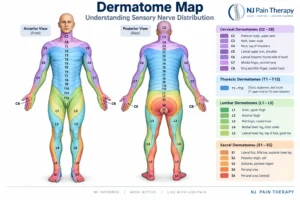
Common pain areas (back, joint, head/neck, nerve pain, etc.)
Commonly referenced pain areas include:
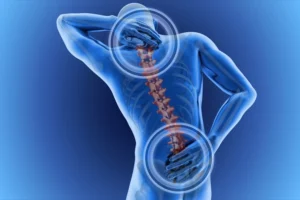
- Back pain
- Joint pain (including knee)
- Head and neck pain
- Nerve pain patterns
- Post-surgery pain
Phantom limb and post-amputation pain
Sprint PNS is also described for post-amputation and phantom limb pain in some clinical and patient education materials, where nerve signaling can remain active even after tissue has healed.
Scope limits (cranial/facial nerve region)
A key limitation repeated in Sprint materials: the system is not intended for placement in regions innervated by cranial and facial nerves.
The 60-Day Treatment Timeline
Placement visit (local anesthesia, image guidance)
The placement is typically performed under local anesthesia. Your provider uses image guidance to position the lead near the targeted nerve. Most patients describe the process as “procedure-level” rather than “surgery-level.”
Day-to-day life with the device (what changes, what doesn’t)
You’ll be living normal life with a small wearable generator attached to the skin. Most people can work, walk, and do routine activities—your provider will set boundaries based on the pain area and the placement site.
Activity rules (bathing/swimming, showering, movement)
Common rules include:
- Avoid swimming and baths while the device is in place
- Showering may be allowed with specific instructions (often disconnecting components first)
- Protect the skin/adhesive site and avoid excessive tension on the lead
Removal visit and what happens next
At the end of the treatment window, the lead is removed and the external generator comes off. The goal is that pain relief continues after removal, rather than stopping the moment the system is taken out.
Results and What “Long-Term Relief” Means
Typical patient goals (pain, function, daily activity interference)
The outcomes patients care about are straightforward:
- Less pain day-to-day
- Better sleep and mobility
- Less pain interference with work, exercise, and family life
- Lower dependence on pain medications (when appropriate)
How long relief may last (months to 12+ months; sometimes longer)
Sprint is frequently described as providing pain relief that can persist well beyond the 60-day treatment window—often discussed in terms of sustained relief for many months, and sometimes 12 months or more depending on condition, placement target, and patient factors.
Why a short-term therapy may have a longer effect (conditioning concept)
The working idea is “conditioning”: the nerve is modulated long enough that signaling patterns can stay calmer after therapy ends. That’s the clinical promise—short-term input, longer-term benefit.
Benefits vs Other Pain Options
Sprint PNS vs medications
Medications can reduce pain, but they often come with system-wide side effects and don’t always address nerve-specific signaling. Sprint is localized and may be attractive to people looking for a non-drug pathway.
Sprint PNS vs TENS
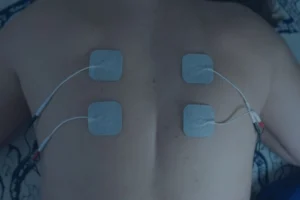
TENS is external and stimulates through pads on the skin. Sprint PNS places the stimulation much closer to the target nerve, which is why it’s often framed as more precise than surface stimulation.
Sprint PNS vs RFA, spinal cord stimulation, and other neuromodulation
- RFA targets nerves with heat; Sprint uses stimulation to modulate signaling.
- Spinal cord stimulation generally involves implanted components for longer-term use; Sprint is designed to be temporary without a permanent implant. The “right” option depends on anatomy, diagnosis, and treatment goals.
When Sprint is often considered earlier (non-permanent approach)
Because Sprint is positioned as a temporary therapy with no permanent implant, it’s often discussed as a step for patients who want to try neuromodulation without committing to permanent hardware.
Cost, Coverage, and Practical Planning
Coverage notes (Medicare + private insurance variability)
Sprint PNS is commonly discussed as being covered by Medicare and sometimes by private insurers with prior authorization—but coverage is plan-specific. The practical move is a benefits check before scheduling.
What costs depend on (placement setting, visits, coverage terms)
Cost can depend on:
- Placement setting (office vs outpatient center)
- Number of visits (placement, follow-ups, removal)
- Insurance coverage and deductibles
Timing strategy (work season, rehab plans, travel)
Because treatment runs ~60 days, timing matters. If your job or rehab schedule is intense, plan the window so you can follow site-care rules and attend required follow-ups.
FAQ on Sprint Peripheral Nerve Stimulation
Does implantation require surgery?
Typically no incision-based surgery is required. Placement is commonly done with a needle under local anesthesia, using image guidance.
Does it hurt?
Most patients tolerate placement well with local anesthesia. Some soreness or skin irritation can occur near the adhesive site.
How long is it worn?
Sprint is commonly worn for up to 60 days, then removed.
Can I shower?
Often yes—with specific instructions. Swimming and baths are typically restricted while it’s in place.
How long does relief last?
Results vary. Many patients seek relief that lasts beyond the treatment window—sometimes many months and, in some reports, longer.
Can Sprint PNS be repeated?
In many care pathways, repeat treatment is possible if pain returns and the clinician believes it remains appropriate.
Key Takeaways
- Sprint PNS is a temporary, 60-day peripheral nerve stimulation therapy designed to reduce pain without permanent implants.
- It targets peripheral nerves with gentle electrical pulses to reduce pain signaling and improve function.
- The most common issues are skin-related (irritation/redness), and candidacy depends on your pain pattern and medical history.
Book a consultation with Shane Huch to review your diagnosis, discuss expected outcomes, and decide whether Sprint PNS makes sense as a non-drug, non-permanent option.