
Spinal stenosis vs. sciatica is a common source of confusion because both can cause back pain that travels into the legs, but they are not the same condition and they are not treated the same way. Sciatica describes a pattern of nerve pain, while spinal stenosis is a structural narrowing within the spine. In this guide, you’ll learn how symptoms differ, what causes each condition, and why knowing which one you’re dealing with matters when choosing the right treatment path. Getting the diagnosis right early can prevent unnecessary pain, delays, and ineffective care.
Understanding the Difference at a High Level
Sciatica is a symptom, not a diagnosis. It refers to pain caused by irritation or compression of the sciatic nerve, usually felt down one leg. Spinal stenosis is a medical condition involving narrowing of the spinal canal or nerve openings, which places pressure on spinal nerves. While spinal stenosis can cause sciatica-like symptoms, the two are not interchangeable. Self-diagnosing based on online symptoms often leads people to treat the wrong problem, delaying proper care and prolonging pain.
What is Sciatica?
What’s Happening in the Body
Sciatica occurs when the sciatic nerve becomes compressed or irritated. This most often happens due to a herniated disc, inflammation near the nerve root, or muscular compression such as piriformis tightness. Because the sciatic nerve travels down each leg separately, symptoms typically affect one side of the body.
Common Sciatica Symptoms
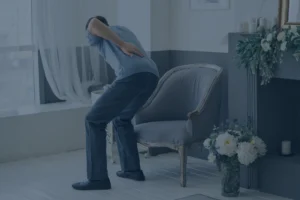
Sciatica usually causes sharp, burning, or electric pain that travels from the lower back or buttock down one leg. Many people experience tingling, numbness, or weakness in the thigh, calf, or foot. Pain often worsens with sitting, bending forward, coughing, or sneezing because these movements increase nerve tension.
How Sciatica Behaves
Sciatic pain tends to fluctuate based on inflammation and activity level. Symptoms may feel worse in the morning or after prolonged sitting, but often improve as movement increases throughout the day.
What is Spinal Stenosis?
Structural Narrowing Explained
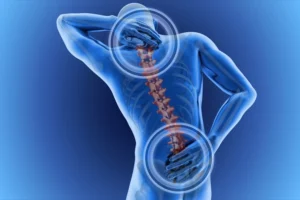
Spinal stenosis occurs when spaces within the spine narrow, reducing room for nerves. This narrowing is commonly caused by age-related changes such as arthritis, bone spurs, disc bulges, or thickened ligaments. Unlike sciatica, stenosis can affect one or both sides of the body.
Common Spinal Stenosis Symptoms
People with spinal stenosis often experience pain, numbness, or heaviness in both legs, especially during standing or walking. Weakness, balance issues, and a feeling of leg fatigue are common as nerve compression increases with upright posture.
How Stenosis Feels Different
A key difference is that leaning forward often relieves spinal stenosis symptoms. Many patients notice they can walk farther when leaning on a cart or walker. Pain typically worsens with standing upright or extending the spine, which further narrows the nerve spaces.
Understanding these distinctions is the foundation for choosing the right treatment and avoiding unnecessary frustration or prolonged pain.
Key Differences Between Spinal Stenosis and Sciatica
Spinal stenosis vs. sciatica can look similar on the surface, but the way symptoms behave is often the biggest giveaway. Sciatica most commonly affects one leg, while spinal stenosis frequently causes symptoms in both legs. People with sciatica often struggle with sitting, bending forward, or prolonged inactivity, whereas spinal stenosis tends to worsen with standing and walking. Leaning forward usually brings relief for stenosis but can aggravate sciatica by increasing nerve tension. Walking intolerance that progressively worsens points more toward stenosis, while activity-related flare-ups that come and go are more typical of sciatica.
Can Spinal Stenosis Cause Sciatica?
Yes — spinal stenosis can compress the nerve roots that form the sciatic nerve, which means sciatica can be a symptom of stenosis rather than a separate condition. That’s why some patients experience leg pain that looks like sciatica but behaves differently over time. Imaging alone doesn’t tell the full story; many people have stenosis or disc bulges on MRI without symptoms. Diagnosis depends on how pain behaves, not just what shows up on a scan.
Causes and Risk Factors
Sciatica Causes
Sciatica is most often triggered by a herniated disc pressing on a nerve root. Muscle compression, especially from the piriformis muscle, can also irritate the sciatic nerve. Inflammation, poor posture, and prolonged sitting increase nerve sensitivity and can provoke flare-ups even without major structural damage.
Spinal Stenosis Causes
Spinal stenosis develops gradually, most often from age-related degeneration. Osteoarthritis, bone spur formation, disc bulges, and conditions like spondylolisthesis narrow the space available for nerves. Prior injuries or repeated stress to the spine can accelerate these changes.
How Doctors Diagnose Stenosis vs. Sciatica
Diagnosis starts with analyzing the pattern of symptoms, including which positions relieve or worsen pain. Doctors assess posture-based pain behavior, leg strength, reflexes, and sensation to identify nerve involvement. MRI imaging is useful when symptoms persist, worsen, or suggest nerve damage, but scans must always be matched to real-world symptoms. Treating imaging findings without clinical correlation often leads to poor outcomes.
Treatment Options for Sciatica
Sciatica treatment usually starts with activity modification and movement correction to reduce nerve irritation. Physical therapy helps restore mobility and reduce inflammation. Epidural steroid injections and nerve blocks may be used for persistent or severe symptoms. Regenerative therapies can support healing in select cases. Surgery is rarely needed and reserved for progressive weakness or significant neurological loss.
Treatment Options for Spinal Stenosis
Managing spinal stenosis focuses on improving core strength, mobility, and posture to relieve pressure on nerves. Walking tolerance strategies and flexion-based movement often help symptoms. Epidural injections can reduce inflammation around compressed nerves. Regenerative therapies may be considered for joint-related contributors. Surgery is only considered when pain or weakness significantly limits function or quality of life.
When to See a Pain Management Specialist
You should seek pain specialist care if pain lasts longer than one to two weeks, begins radiating into the leg, or is accompanied by numbness or tingling. Leg weakness, balance problems, or difficulty walking are warning signs. Any bowel or bladder changes require immediate medical attention.
FAQs — Spinal Stenosis vs Sciatica
Is spinal stenosis more serious than sciatica?
Not always. Stenosis is structural and often progressive, but sciatica can be just as disabling depending on severity and nerve involvement.
Can sciatica go away on its own?
Yes, many cases improve with conservative care, but recurring or worsening symptoms should be evaluated to prevent chronic nerve irritation.
Why does bending forward help stenosis but worsen sciatica?
Bending forward opens nerve spaces in stenosis, but it increases tension on an already irritated sciatic nerve.
Do both conditions require surgery?
No. Most cases improve with non-surgical care. Surgery is reserved for significant functional loss or neurological decline.
When should I get an MRI?
If symptoms persist beyond several weeks, worsen, or include weakness or numbness, imaging may be appropriate.
Conclusion — Getting the Diagnosis Right Changes Everything
Similar symptoms don’t mean the same condition. Misidentifying spinal stenosis vs. sciatica delays effective treatment and prolongs pain. The right diagnosis leads to the right plan — and early, targeted care can prevent chronic pain and disability. If symptoms persist or interfere with daily life, evaluation by a pain management specialist is far more effective than guesswork.