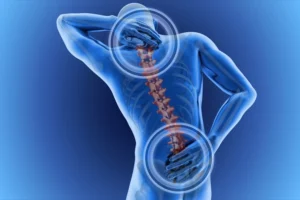

Many people notice their pain worse at night, and it’s one of the most frustrating patterns pain can follow. You finally slow down, lie down to rest, and instead of relief, the discomfort becomes louder and harder to ignore. This experience is extremely common and happens across conditions like back pain, nerve pain, joint pain, and chronic inflammation.
This isn’t imagined or “in your head.” Nighttime pain is influenced by real biological changes, reduced movement, and how your nervous system processes signals after dark. When pain disrupts sleep, it slows healing, increases inflammation, and often creates a cycle where poor sleep makes pain worse the next day.
In this guide, you’ll learn why pain intensifies at night, what it may be telling you about your body, and when it’s time to seek professional care instead of powering through it.
If nighttime pain is interfering with your sleep or daily life, our pain specialists at the Center for Regenerative Therapy and Pain Management can help identify the cause.
The Short Answer — Nighttime Changes How Your Body Processes Pain
Pain perception naturally shifts after dark. As your body transitions from an active, upright state to stillness, your nervous system becomes more sensitive to discomfort that may have been muted during the day. With fewer distractions and less movement, inflammation, stiffness, and nerve irritation become more noticeable.
During waking hours, movement keeps joints lubricated, muscles warm, and circulation flowing. At night, prolonged stillness allows tissues to stiffen, swelling to build, and irritated nerves to send stronger signals. The result is pain that feels sharper, deeper, or more persistent once you lie down.
Biological Reasons Pain Feels Worse at Night
Lower Cortisol Levels Increase Inflammation
Cortisol is one of your body’s natural anti-inflammatory hormones. During the day, cortisol helps keep inflammation in check and dampens pain signals. At night, cortisol levels drop to their lowest point, which allows inflammatory processes to increase. As inflammation rises, sensitive tissues and irritated nerves can trigger stronger pain signals, making discomfort feel worse.
Circadian Rhythm Affects Pain Sensitivity
Your body runs on a 24-hour circadian rhythm that influences sleep, hormones, and pain perception. Research shows that pain sensitivity often increases at night as nerve signaling changes. This helps explain why some people experience predictable flare-ups in the evening or overnight, even when their activity level hasn’t changed.
Sleep Disruption Amplifies Pain Signals
Poor sleep doesn’t just result from pain — it actively makes pain worse. Sleep deprivation increases inflammatory chemicals in the body and lowers your pain threshold. When pain interrupts sleep, the nervous system becomes more reactive, creating a loop where pain prevents rest and lack of rest intensifies pain the next night.
Mechanical Reasons Pain Gets Worse When You Lie Down
Lack of Movement Causes Stiffness
When you stop moving for hours at a time, joints lose their natural lubrication and muscles begin to tighten. Circulation slows, which allows stiffness and inflammation to build instead of being dispersed through movement. Discs and joints also experience sustained pressure without relief, making discomfort more noticeable the longer you stay still.
Prolonged Sleep Positions Stress the Spine
Staying in one position too long places continuous stress on the same joints, muscles, and nerves. If your mattress or pillows don’t support neutral alignment, pressure builds unevenly across the spine. This can increase nerve compression and joint irritation, especially in the neck and lower back.
Gravity Changes Spinal Loading
Lying flat changes how gravity loads the spine and discs. Certain spinal conditions—like disc bulges, facet joint irritation, or spinal stenosis—can flare more at night because pressure shifts into sensitive areas. This is why pain often spikes when rolling over or first settling into bed.
Mechanical Reasons Pain Gets Worse When You Lie Down
Lack of Movement Causes Stiffness
When you stop moving for hours at a time, joints lose their natural lubrication and muscles begin to tighten. Circulation slows, which allows stiffness and inflammation to build instead of being dispersed through movement. Discs and joints also experience sustained pressure without relief, making discomfort more noticeable the longer you stay still.
Prolonged Sleep Positions Stress the Spine
Staying in one position too long places continuous stress on the same joints, muscles, and nerves. If your mattress or pillows don’t support neutral alignment, pressure builds unevenly across the spine. This can increase nerve compression and joint irritation, especially in the neck and lower back.
Gravity Changes Spinal Loading
Lying flat changes how gravity loads the spine and discs. Certain spinal conditions—like disc bulges, facet joint irritation, or spinal stenosis—can flare more at night because pressure shifts into sensitive areas. This is why pain often spikes when rolling over or first settling into bed.
Why Certain Types of Pain Are Worse at Night
Nerve Pain
Nerve pain often feels burning, tingling, or electric, and these sensations tend to intensify at night. With fewer distractions, nerve signals become harder to ignore. Temperature changes during sleep can also irritate already sensitive or damaged nerves, making symptoms feel sharper.
Back & Spine Pain
Disc pressure and joint stiffness increase with prolonged rest. Facet joints and spinal discs can become inflamed overnight, especially after a long day of activity. Many people notice pain peaks when changing positions or first waking up because stiff tissues suddenly have to move again.
Joint Pain (Arthritis)
Joints rely on movement to stay lubricated. During rest, lubrication slows and inflammatory fluid can build up. This leads to nighttime aching followed by morning stiffness that takes time to loosen up.
Muscle Pain
Overworked or strained muscles often tighten when inactive. Spasms are more likely to occur at rest, particularly if muscles are fatigued or dehydrated. Poor sleep posture can further strain already irritated muscle groups.
What You Can Do to Reduce Pain at Night
Optimize Sleep Position
Keeping the spine in a neutral position reduces unnecessary pressure on joints and nerves. Side sleeping with proper pillow support or back sleeping with strategic pillow placement can help maintain alignment. Small adjustments often make a big difference.
Use Heat or Ice Strategically
Heat works best for stiffness and muscle tension by improving blood flow and relaxation. Ice is more effective for inflammation or sharp, irritated pain. Using the right option before bed can calm tissues enough to improve sleep.
Gentle Evening Movement
Light stretching or mobility work in the evening helps prevent overnight stiffness. Avoid aggressive workouts close to bedtime, which can increase inflammation. Gentle movement signals the body to relax rather than tighten up.
Improve Sleep Environment
A cool, comfortable room supports better sleep quality. Supportive mattresses and pillows reduce mechanical stress throughout the night. Limiting screen exposure before bed helps calm the nervous system, which can lower pain sensitivity.
When Night Pain Signals a Bigger Problem
Pain worse at night can be more than an annoyance when it starts following a clear pattern. If pain wakes you up consistently, that’s a sign your nervous system or joints aren’t settling with rest. Progressive worsening over days or weeks often points to ongoing inflammation or nerve irritation rather than simple muscle fatigue. Radiating pain, numbness, or weakness suggests nerve involvement and should never be ignored. Pain that lingers for weeks despite basic self-care, or sleep loss that’s starting to affect your mood, focus, or energy, signals that something deeper may be driving the symptoms.
When to See a Pain Management Specialist
Pain worse at night that lasts longer than one to two weeks deserves professional evaluation, especially if it’s paired with nerve symptoms or leg or arm pain. If changing positions, resting, or adjusting pillows doesn’t help, the issue may not be mechanical alone. Ongoing sleep disruption can slow healing and amplify pain sensitivity, making early intervention important.
Our New Jersey pain specialists can determine whether nerve irritation, spinal issues, or inflammation are driving your nighttime pain — and treat it without unnecessary surgery.
FAQs — Pain That’s Worse at Night
Why does my pain spike when I lie down?
Lying still reduces joint lubrication and circulation while changing spinal pressure. With fewer distractions, the nervous system also becomes more aware of pain signals.
Is nighttime pain always serious?
Not always. Many people experience nighttime pain due to stiffness or inflammation. However, pain that is severe, worsening, or persistent should be evaluated.
Why does pain improve during the day?
Movement increases circulation, reduces stiffness, and lowers nerve sensitivity. Daytime activity often masks pain that becomes more noticeable at night.
Can nerve pain be worse at night?
Yes. Nerve pain commonly intensifies at night due to reduced distractions, temperature changes, and increased nerve sensitivity.
Should pain that disrupts sleep be evaluated?
Yes. Pain that repeatedly interferes with sleep can indicate an underlying issue and increases the risk of chronic pain cycles.
Conclusion — Night Pain Is Common, But Not Something to Ignore
Pain worse at night is extremely common, and you’re not alone in experiencing it. What matters most is the pattern—when pain occurs, how it behaves, and whether it’s improving or getting worse. Early evaluation helps prevent long-term pain and sleep disruption from feeding into each other.
If pain is stealing your sleep, the Center for Regenerative Therapy and Pain Management can help you restore comfort and rest.