
Pain that improves with movement is a pattern many people notice, and in most cases it’s a meaningful signal—not something random or imagined. When you start moving, circulation increases, joints regain lubrication, and the nervous system often becomes less reactive, which can temporarily ease discomfort. This doesn’t mean the problem is gone, but it does tell you something important about how your body is responding to rest versus activity. In this guide, you’ll learn why movement helps certain types of pain, which conditions behave this way, and when this pattern is safe versus concerning. If pain consistently feels better once you start moving, a pain specialist can help determine what’s driving it.
What It Means When Pain Improves With Movement
Movement increases blood flow, delivering oxygen and nutrients to stiff or irritated tissues. Muscles and joints “wake up” after periods of rest, restoring mobility and reducing pressure on sensitive structures. At the same time, nervous system sensitivity often decreases with motion, making pain signals feel quieter. This is why symptom patterns—when pain shows up and when it eases—often matter more than how intense the pain feels in a single moment.
Why Pain Often Feels Worse at Rest
Stiffness From Inactivity
When the body stays still, joints lose lubrication and muscles tighten and shorten. Pain commonly peaks after sitting, sleeping, or long periods of rest, especially first thing in the morning or after standing up.
Reduced Circulation
Stillness limits blood flow, reducing oxygen delivery and allowing waste products to build up in tissues. Movement reverses this by restoring circulation, which often leads to noticeable relief.
Nervous System Sensitivity
Pain signals tend to feel louder when the body is still and there are fewer distractions. Gentle movement provides sensory input that can calm nerve signaling and reduce pain awareness.
Types of Pain That Commonly Improve With Movement
Mechanical Back Pain
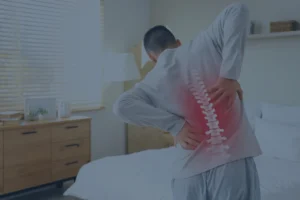
Discs and joints often stiffen during rest. Pain typically eases once walking, stretching, or light activity begins.
Joint Pain and Early Arthritis
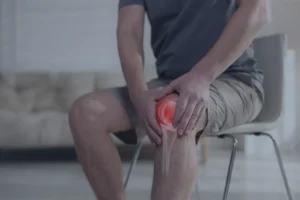
Stiffness is more prominent than sharp pain. Movement helps restore range of motion and reduces discomfort as joints warm up.
Muscle Tightness and Imbalances
Overworked or shortened muscles relax with use. Pain decreases as tissues warm and flexibility improves.
Mild Nerve Irritation
Gentle motion can reduce pressure and inflammation around nerves. Symptoms often improve unless compression is significant or ongoing.
When Movement-Relieved Pain Is a Good Sign
Pain improves steadily after warming up and continues to ease throughout the day. Symptoms don’t worsen with activity, neurological signs are absent, and discomfort may resolve fully while moving.
When Pain That Improves With Movement Is Still a Red Flag
Pain returns quickly once movement stops or worsens day over day. Symptoms begin radiating, include numbness or weakness, disrupt sleep or daily function, or only improve temporarily without ever resolving. These patterns suggest an underlying issue that should be evaluated rather than ignored.
Pain that improves with movement is often a helpful clue about how your body is responding to rest, load, and mechanics—but it’s not a diagnosis on its own. Understanding what typically causes this pattern helps determine whether it’s something that will settle with the right care or something that needs closer evaluation.
Conditions Commonly Linked to This Pain Pattern
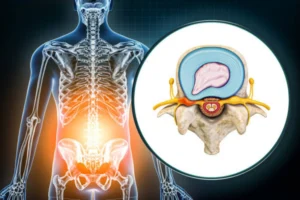
Mechanical low back pain is one of the most common causes. Joints and discs stiffen with rest, then feel better once movement restores mobility. Facet joint inflammation behaves similarly, often flaring after inactivity and easing with walking or light motion. Early degenerative joint changes can also cause stiffness-dominant pain that improves as joints warm up. Muscle imbalance and postural strain are frequent contributors, especially when certain muscles stay tight while others weaken. Mild disc-related irritation may also improve with movement, as gentle motion reduces pressure and improves circulation.
How Doctors Evaluate Pain That Improves With Movement
Evaluation starts with reviewing symptom timing and daily patterns—when pain appears, when it eases, and what consistently helps or worsens it. Providers assess posture and movement to see how joints and muscles respond to motion. A neurological exam is performed if there are signs of nerve involvement. Imaging is reserved for symptoms that persist, worsen, or show red-flag features. When imaging is used, findings must match symptoms; structural changes alone don’t always explain pain.
Treatment Options That Address the Root Cause
Movement-Based Care
Targeted movement and mobility work helps restore normal mechanics and circulation. Prolonged rest is avoided, as it often reinforces stiffness and sensitivity.
Physical Therapy and Stability Training
Therapy focuses on correcting muscle imbalances, improving joint control, and restoring efficient movement patterns that reduce strain.
Anti-Inflammatory Strategies
Reducing tissue irritation supports recovery and helps calm pain signals that build up during inactivity.
Interventional Options When Needed
For pain that doesn’t respond to conservative care, targeted injections, nerve-focused treatments, or regenerative therapies may be considered to reduce inflammation and support healing.
When to See a Pain Management Specialist
Evaluation is recommended when pain persists beyond a few weeks, returns quickly after rest, spreads or becomes neurological, or begins affecting work or daily activity. Our New Jersey pain specialists can identify why movement helps your pain—and treat what’s causing it.
FAQs — Pain That Improves With Movement
Why does my pain feel worse at rest but better when I move?
When you’re still, joints lose lubrication, circulation slows, and muscles tighten. Movement restores blood flow, reduces stiffness, and often quiets pain signals, making symptoms ease once you start moving.
Is pain that improves with movement always harmless?
No. While this pattern is common with mechanical or stiffness-related pain, recurring or worsening symptoms can still signal an underlying issue that needs evaluation.
Can nerve pain feel better with movement?
Yes, mild nerve irritation can temporarily improve with gentle movement that reduces pressure and inflammation. Significant or ongoing nerve compression, however, usually does not fully resolve with motion alone.
Why does pain return when I stop moving?
Movement may relieve symptoms, but it doesn’t always fix the root cause. Once activity stops, stiffness, inflammation, or nerve sensitivity can build back up, causing pain to return.
When should pain that improves with movement be evaluated?
If pain keeps coming back, worsens over time, spreads, affects sleep, or interferes with daily function, it should be evaluated by a pain management specialist.
Conclusion — Movement Relief Is a Clue, Not a Diagnosis
Pain patterns matter. Feeling better with movement doesn’t mean the issue is gone—it means your body is responding to motion. Identifying the cause early helps prevent progression to chronic pain. If pain improves with movement but keeps returning, the Center for Regenerative Therapy and Pain Management can help identify and correct the cause.