
When it comes to treating chronic or acute pain, injections for pain management are one of the most effective options available. Whether you’re dealing with back pain, joint discomfort, or inflammation that just won’t go away, injections can deliver targeted relief right where you need it. In this blog, we’ll break down the three most common types: epidural injections, plasma injections (PRP), and steroid injections—and explain who benefits most from each.
Why Injections Are Used for Pain Relief
When Other Treatments Aren’t Enough
Injections are often used when rest, physical therapy, or medications aren’t providing enough relief. They can bridge the gap between conservative treatments and surgery.
Minimally Invasive Pain Relief Options
Unlike surgery, injections are performed with minimal disruption to the body. Most are outpatient procedures with little to no downtime.
Targeted Delivery of Medication
Instead of circulating throughout the body like oral medications, injections deliver treatment directly to the source of the pain—maximizing results and minimizing side effects.
Often Part of a Broader Pain Management Plan
Pain specialists often include injections as part of a customized care plan. They may be combined with physical therapy, regenerative medicine, or lifestyle changes for better outcomes.
Epidural Injections
What Are Epidural Injections?
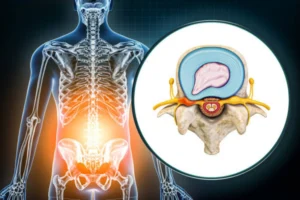
Epidural injections are administered into the epidural space surrounding your spinal cord. This allows anti-inflammatory medication to calm irritated nerves and reduce pain. They’re commonly used to treat conditions like herniated discs, sciatica, spinal stenosis, and chronic lower back pain.
What to Expect During the Procedure
Epidural injections are typically done in an outpatient setting. The area is numbed with a local anesthetic, and the provider uses imaging guidance (like fluoroscopy) to ensure precise placement. The whole process usually takes less than 30 minutes, and most patients go home the same day.
Who Should Consider Epidural Injections?
These injections are ideal for people with persistent back or leg pain, especially if the pain radiates or is nerve-related. They’re also a great option for patients looking to delay or avoid surgery while still managing their symptoms effectively.
Steroid Injections
How Steroid Injections Work
One of the most widely used injections for pain management, steroid injections work by delivering corticosteroids directly into inflamed tissue. These medications calm the immune response, which helps reduce swelling, ease inflammation, and relieve pain in the targeted area.
Common Conditions Treated
Steroid injections are a go-to treatment for a variety of painful conditions, especially those involving inflammation. Common uses include:
- Arthritis, particularly in weight-bearing joints like the knees and shoulders
- Bursitis and tendinitis, where fluid buildup causes pain and stiffness
- Joint pain or nerve compression, including carpal tunnel syndrome and spinal issues
How Long Do They Last?
Pain relief from steroid injections can last anywhere from a few weeks to several months, depending on the condition and severity. While effective, these injections can only be repeated a limited number of times per year, and always under medical supervision.
Plasma Injections (PRP Therapy)
What Is PRP (Platelet-Rich Plasma)?
PRP injections are a newer form of injections for pain management that use your own blood to jumpstart the body’s healing process. A small sample is drawn, spun in a centrifuge to concentrate healing platelets, and then injected into the damaged area—typically a joint, tendon, or muscle.
Benefits of PRP for Pain Management
What sets PRP apart is its natural, regenerative approach.
- It’s made from your own plasma, so there’s a lower risk of side effects
- Instead of simply reducing symptoms, it works to stimulate actual tissue repair
- Many patients turn to PRP when steroid injections or other treatments haven’t worked
Common Uses for PRP
Plasma injections are especially popular among active adults, athletes, and those with degenerative joint issues. Conditions PRP is often used for include:
- Osteoarthritis, particularly in knees, hips, and shoulders
- Tendon injuries, such as tennis elbow or rotator cuff problems
- Muscle strains and joint degeneration from overuse or aging
Choosing the Right Injection for You
Not all injections for pain management work the same—and that’s a good thing. The right choice depends on your specific condition, symptoms, and medical history. For example, someone with sciatica may benefit more from an epidural, while a patient with knee arthritis might see better results with a steroid or PRP injection.
Your Doctor May Recommend a Combination
Pain management isn’t one-size-fits-all. Your provider might recommend combining injections with physical therapy, medications, or lifestyle adjustments to get the best outcome.
Insurance and Out-of-Pocket Costs
Coverage varies. Steroid and epidural injections are often covered by insurance, while PRP injections may be considered elective and require out-of-pocket payment. It’s worth checking with your provider ahead of time.
Injections vs. Other Pain Relief Options
How They Compare
When stacked up against oral medications, physical therapy, or surgery, injections often strike a balance between effectiveness and low risk. Pills may only mask symptoms, and surgery involves longer recovery. Injections deliver targeted relief with minimal disruption to your daily life.
Pros and Cons
- Pros: Fast-acting, localized relief; outpatient procedure; can delay or prevent surgery
- Cons: May require repeat treatments; not suitable for all conditions; PRP may not be covered by insurance
When Are Injections Recommended First?
Doctors often recommend injections when:
- Pain is localized and inflammation is present
- Physical therapy hasn’t delivered results
- Surgery is too invasive or premature
Final Thoughts: Are Injections Right for Your Pain?
Epidural, steroid, and plasma injections for pain management each offer unique benefits—and they can be life-changing when used correctly. Whether you’re managing long-term back pain, joint issues, or tendon injuries, the right injection can help you move forward with less pain and more control.
Ready to explore injections for pain management? Contact us today to schedule a consultation and take the first step toward relief.