
Many people assume surgery is inevitable once pain doesn’t go away. In reality, most pain can be treated without surgery when it’s addressed correctly and early.
Non-surgical pain management focuses on identifying why pain is happening, not just where it hurts. The goal is to reduce inflammation, calm irritated nerves, restore movement, and stop pain from progressing into something more serious.
This guide explains how pain management treats pain without surgery, when non-surgical care works best, and when surgery may still be necessary.
If you’re trying to avoid surgery, a pain management specialist can help determine the safest non-surgical path forward.
Why Surgery Isn’t Always Necessary for Pain
Most pain isn’t caused by structural damage that needs to be cut or repaired. It’s usually driven by inflammation, nerve irritation, or mechanical overload that develops over time.
Imaging like MRIs often shows changes that don’t fully explain symptoms. Many people have disc bulges or arthritis on scans without significant pain, while others have severe pain with minimal imaging findings.
Surgery treats structure. Pain management treats function, inflammation, and pain drivers. When addressed early, non-surgical care can reduce long-term damage and significantly lower surgical risk.
How Pain Management Identifies the Real Source of Pain
Effective pain treatment starts with understanding patterns, not guessing.
Pain specialists look at when pain starts, what triggers it, what relieves it, and how it changes throughout the day. Movement, posture, and daily activities provide critical clues that imaging alone can’t.
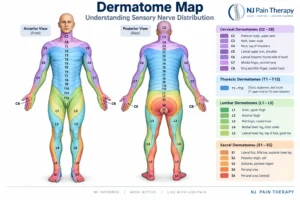
A neurological evaluation is used when nerve symptoms like tingling, numbness, or weakness are present. The focus is on identifying the true source of pain rather than treating the most painful spot.
Accurate diagnosis matters more than pain location.
Non-Surgical Pain Management Treatments Explained
Epidural Steroid Injections
Epidural injections reduce inflammation around irritated spinal nerves. They’re commonly used for sciatica, disc herniations, and spinal stenosis. These injections help calm pain so healing and rehabilitation can occur.
Nerve Blocks
Nerve blocks temporarily interrupt pain signals. They help confirm the source of pain while also providing relief. These are useful for both diagnosis and treatment.
Radiofrequency Ablation (RFA)
RFA targets nerves that transmit pain signals from joints in the spine. It provides longer-lasting relief than injections and helps many patients avoid repeated procedures or surgery.
Hyaluronic Acid Gel Injections
These injections improve joint lubrication and mobility. They’re commonly used for arthritis-related pain and help reduce friction and inflammation without surgery.
Plasma Injections
Plasma-based injections support tissue healing and recovery. They’re used for joint, tendon, and soft-tissue pain and focus on repair rather than masking symptoms.
Medication Management (When Appropriate)
Medications are used strategically, not as a long-term solution. The goal is to reduce inflammation and nerve sensitivity while supporting movement-based care.
Spinal Cord Stimulators (Advanced Non-Surgical Option)
Spinal cord stimulators modulate pain signals before they reach the brain. They’re used when other non-surgical treatments fail and often prevent the need for repeat surgeries.
How Pain Management Prevents Surgery Long-Term
Pain management reduces inflammation before structural damage worsens. It stops compensation patterns that accelerate joint and disc degeneration.
By calming nervous system sensitization and restoring proper movement, pain management helps maintain mobility and function over time. This approach doesn’t just reduce pain — it protects long-term health.
Conditions Commonly Treated Without Surgery
- Back pain
- Neck pain
- Sciatica
- Disc herniations
- Spinal stenosis
- Joint pain and arthritis
- Diabetic neuropathy
- Failed back surgery syndrome
- Headaches and migraines
When Non-Surgical Pain Management Works Best
Non-surgical care works best when pain has been present for weeks or months rather than decades. Symptoms often fluctuate, improve with movement, or worsen with certain positions.
Patients without progressive neurological loss who want to stay active and avoid invasive procedures are often excellent candidates for pain management without surgery.
When to See a Pain Management Specialist
Pain that lasts longer than expected is a signal worth addressing. If pain interferes with work, sleep, or normal activity, it’s time for evaluation.
Radiating pain, numbness, or weakness often indicates nerve involvement and should not be ignored. Many patients also seek pain management because they want to avoid surgery or long-term medication whenever possible. Our New Jersey pain specialists focus on treating pain without surgery whenever possible — and guiding you safely if surgery becomes necessary.
FAQs — Pain Management Without Surgery
Can pain management really help me avoid surgery?
Yes. Many pain conditions improve when inflammation, nerve irritation, and movement patterns are treated correctly. Surgery is often avoidable with early, targeted care.
How long do non-surgical treatments take to work?
Some treatments provide relief within days, while others take weeks. The trend of improvement matters more than immediate results.
Are injections just temporary fixes?
Not always. Injections can reduce inflammation long enough for healing, rehabilitation, and long-term improvement to occur.
Is pain management only for severe pain?
No. Pain management is most effective when used early, before pain becomes constant or disabling.
What if I’ve already been told I need surgery?
A pain management evaluation can confirm whether surgery is truly necessary now or if non-surgical options are still appropriate.
Conclusion: Surgery Isn’t the Starting Line
Most pain can be treated without surgery when the real drivers are identified early. Targeted, non-surgical care helps prevent long-term damage and protects mobility and quality of life.
Pain management isn’t about delaying care — it’s about choosing the right care at the right time. If pain is limiting your life and surgery feels like the only option, the Center for Regenerative Therapy and Pain Management can help you explore safer, effective non-surgical solutions first.