
What is Complex Pain Syndrome?
Complex pain syndrome is a chronic pain disorder that affects the nerves, skin, and tissues in a way that goes far beyond normal post-injury discomfort. Unlike typical pain that fades as an injury heals, this neurological pain condition can linger, intensify, and become disconnected from the original trauma.
What makes it different is the disproportionate severity. A mild injury, surgery, sprain, or even a fracture that should recover normally can trigger pain that is far more intense than expected. This happens because the nervous system becomes overly reactive, sending amplified pain signals even when the tissue itself is improving.
Early treatment matters — a lot. When complex pain syndrome is recognized and treated quickly, patients tend to have shorter symptom duration, better mobility, and a much higher chance of long-term improvement.
Early Symptoms of Complex Pain Disorders
Changes in Sensation
One of the earliest red flags is a dramatic shift in how the affected area feels.
- Burning, throbbing, or pins-and-needles pain may start suddenly or gradually intensify.
- Allodynia, which means pain triggered by light touch, clothing, or even a soft breeze, is common.
- Hyperalgesia, or exaggerated pain from something that should hurt only a little, is another hallmark.
These sensation changes often appear before visible symptoms, making them important to notice early.
Skin, Temperature, and Color Changes
Complex pain syndrome frequently causes the skin to behave differently than the rest of the body.
- The area may feel warm or cold compared to the opposite limb.
- Skin may appear red, blue, purple, or unusually pale.
- Over time, it can become shiny and thin or thickened and dry, depending on how the nerves are reacting.
These changes come from disrupted nerve signaling and abnormal blood-flow patterns.
Swelling and Movement Limitation
As symptoms progress, mobility often becomes affected.
- Joint stiffness and reduced range of motion can develop quickly.
- Many people begin to avoid using the painful limb, leading to weakness, muscle loss, and reduced coordination.
This creates a cycle where lack of movement worsens symptoms — which is why early treatment and guided motion are essential.
When to Seek a Pain Specialist
Some symptoms are a sign that regular home care isn’t enough.
- If pain isn’t improving, or continues weeks after a minor injury, it’s time to be evaluated.
- If the pain spreads, becomes more intense, or starts affecting movement, you shouldn’t wait.
- A specialist can rule out other conditions early and determine whether complex pain syndrome is developing, which is critical because earlier intervention leads to better outcomes.
What Causes Complex Pain Syndromes?
Complex pain syndrome often develops after what seems like a routine injury, but the underlying cause is tied to how the nerves respond afterward. Instead of calming down as the body heals, the nervous system becomes overly sensitive, creating pain that’s much stronger than the original injury ever was.
Injuries and Trauma
The most common trigger is some form of physical trauma.
- Fractures, sprains, burns, and soft-tissue injuries can set off nerve irritation that spirals into long-lasting pain.
- Post-surgical nerve irritation is another well-known cause, even when the surgery itself went smoothly.
- In both cases, the injury may heal, but the pain response doesn’t turn off the way it should.
Nervous System Dysfunction
At the root of complex pain syndrome is an overly reactive nervous system.
- Nerves begin sending overactive or amplified pain signals, even without ongoing tissue damage.
- There are two main forms:
- CRPS Type I: Symptoms occur without confirmed nerve damage.
- CRPS Type II: Pain develops after a specific nerve injury.
Both forms share the same symptoms, but the cause determines the classification.
- CRPS Type I: Symptoms occur without confirmed nerve damage.
Risk Factors
Certain conditions make the nervous system more vulnerable.
- Poor circulation and diabetes can reduce nerve resilience and slow healing.
- Smoking limits blood flow and increases inflammation, making symptoms more likely and harder to treat.
- Prior nerve damage creates a weakened baseline, making overactive pain responses more common.
- Autoimmune issues or chronic inflammation can intensify nerve sensitivity and prolong symptoms.
These risk factors don’t guarantee complex pain syndrome — but they increase the likelihood after an injury or surgery.
Potential Complications Without Treatment
When complex pain syndrome isn’t treated early, problems can escalate quickly.
- Muscle atrophy and stiffness: Avoiding movement leads to weakness, tightness, and reduced flexibility.
- Bone demineralization: Long-term disuse can cause bones to thin or weaken in the affected limb.
- Contractures and loss of limb function: Tendons and joints can tighten into fixed positions if mobility is lost.
- Increased anxiety or depression: Chronic pain affects both the body and the mind, often reducing quality of life.
These complications are preventable — which is why fast diagnosis and early therapy matter.
How Complex Pain Syndrome Is Diagnosed
Diagnosing complex pain syndrome involves ruling out other conditions and identifying characteristic nerve-related symptoms. Because no single test can confirm it, the diagnosis relies on patterns, physical findings, and how the pain behaves over time.
Clinical Evaluation
A specialist starts with the basics:
- A detailed medical history,
- A review of your symptoms,
- And a physical examination focused on sensation, skin changes, and movement.
This helps identify early warning signs and rule out other causes.
Diagnostic Criteria
Doctors often use the Budapest criteria, a standardized tool for diagnosing complex pain conditions.
It evaluates:
- Abnormal sensation (like allodynia or hyperalgesia),
- Swelling in the affected area,
- Skin temperature or color changes,
- And movement limitations.
If enough categories are met and no other condition explains the symptoms better, a diagnosis can be made.
Imaging & Tests
Imaging helps confirm what’s happening beneath the surface.
- MRI, ultrasound, and bone scans can reveal tissue, nerve, or bone changes associated with the condition.
- Nerve conduction tests may be ordered if Type II CRPS is suspected, since they can detect specific nerve injuries.
These tools don’t diagnose complex pain syndrome on their own — but they help build the full picture and rule out other disorders.
Modern Treatments for Complex Pain Conditions
Managing complex pain syndrome often requires a combination of physical therapy, medication, lifestyle changes, and targeted procedures. The goal is simple: reduce pain, restore movement, and help you get back to living your life with less limitation.
Physical & Occupational Therapy
Movement is one of the most powerful tools for recovery.
- Movement restoration: Gentle, guided exercises help reintroduce normal motion to the affected limb and prevent long-term stiffness.
- Graded motor imagery: A series of mental and physical techniques that retrain the brain’s movement pathways and reduce pain sensitivity.
- Mirror therapy: Using a mirror to “trick” the brain into perceiving normal movement, helping reduce pain and improve function over time.
Medications Used in Management
Medication doesn’t cure complex pain syndrome, but it can significantly reduce symptoms.
- Anti-inflammatories and nerve pain medications (like gabapentin or duloxetine) help calm overactive nerves.
- Topical agents such as lidocaine creams or patches target sensitive areas directly.
- Short-term corticosteroids are sometimes used early to reduce inflammation and swelling.
- More advanced medications may be considered if symptoms don’t improve, especially in severe cases or when nerve dysfunction is significant.
Interventional Procedures
When pain persists, targeted procedures can help interrupt faulty nerve signals.
- Nerve blocks deliver numbing medication near irritated nerves to provide temporary but meaningful relief.
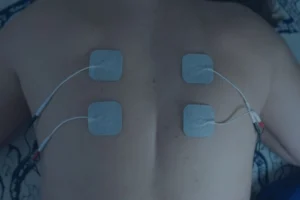
- Spinal cord stimulation uses small electrical pulses to override pain signals before they reach the brain.
- Dorsal root ganglion stimulation offers a more precise version of stimulation, especially effective for localized limb pain.
- Infusion therapy (such as ketamine infusions) may be considered when pain is severe and unresponsive to other treatments.
Lifestyle & Behavioral Interventions
Simple daily adjustments can support nerve healing and improve long-term outcomes.
- Smoking cessation improves circulation and reduces inflammation.
- Diabetes management helps stabilize nerve health and prevent further damage.
- Compression garments reduce swelling and improve blood flow.
- Desensitization work gradually retrains the skin and nerves to tolerate touch again.
Psychological Support
Pain affects the mind just as much as the body.
- Cognitive Behavioral Therapy (CBT) helps reduce the pain-stress cycle, which can intensify symptoms.
- Coping strategies support emotional resilience, making it easier to stay active, follow treatment plans, and manage daily discomfort.
Long-Term Outlook for Patients
Complex pain syndrome doesn’t follow a single timeline, but many people improve significantly with early and consistent treatment.
- Likelihood of improvement: Most patients see better mobility, reduced swelling, and more manageable pain over time.
- Why early diagnosis matters: Once stiffness, muscle loss, or major skin changes set in, recovery becomes harder — early intervention prevents this progression.
- When symptoms may recur: Recurrences can happen, but they’re more likely when injuries go untreated or old habits resurface.
- Goals of treatment: Reduce pain, restore movement, prevent complications, and help you return to normal daily function.
Tips for Living With Complex Pain Syndrome
Daily routines and small habits play a major role in recovery.
- Managing flare-ups: Gentle movement, heat/cold therapy, and pacing activities can help calm sudden pain spikes.
- Staying active safely: Low-impact activity keeps the joints flexible and helps prevent stiffness.
- Home-based therapy tools: Stretch bands, light weights, and mirror therapy setups can support progress between appointments.
- When to return to a specialist: If pain spreads, stiffness worsens, or symptoms plateau, it’s time for a re-evaluation.
Final Thoughts on Complex Pain Syndrome Care
Early care makes a meaningful difference.
- Early management improves outcomes by preventing nerve hypersensitivity from becoming permanent.
- Multidisciplinary care leads to the best results, combining physical therapy, procedures, and lifestyle changes.
- If you’re struggling with limb pain, swelling, or unexplained nerve sensitivity, seeking a specialized pain management evaluation is one of the most important steps you can take.
Citations:
- https://www.mayoclinic.org/diseases-conditions/crps-complex-regional-pain-syndrome/symptoms-causes/syc-20371151
- https://www.nhs.uk/conditions/complex-regional-pain-syndrome/
- https://www.ninds.nih.gov/health-information/disorders/complex-regional-pain-syndrome
- https://my.clevelandclinic.org/health/diseases/12085-complex-regional-pain-syndrome-crps