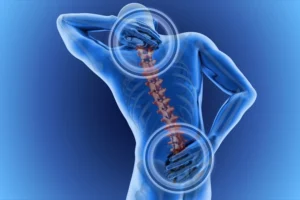

Living with chronic pain can be exhausting even on days when you have not done much physically.
Someone may sleep for several hours and still wake up tired, struggle to get through normal tasks, or feel like pain is constantly draining their energy.
Chronic pain can contribute to fatigue because persistent pain may disrupt sleep, place ongoing demands on the nervous system and stress response, limit normal activity, and make everyday tasks require more physical and mental effort.
Fatigue can have many causes, though. Persistent exhaustion should not automatically be blamed on chronic pain without considering other possible explanations.
For people dealing with persistent pain and exhaustion, pain management in New Jersey can help evaluate the pain itself while considering how symptoms are affecting sleep, movement, and everyday function.
Is It Normal to Feel Tired When You Have Chronic Pain?
Yes.
Fatigue commonly occurs alongside chronic pain, although pain is not always the only reason someone feels exhausted.
Fatigue can feel different from ordinary tiredness. Someone who is simply tired may feel better after resting or getting a good night of sleep. Persistent fatigue may continue even after someone has spent enough time in bed.
People may describe:
- Low energy
- Feeling physically drained
- Difficulty getting started in the morning
- Needing more breaks
- Trouble concentrating
- Feeling exhausted after ordinary activities
- Sleeping without feeling fully refreshed
The pattern can also change from day to day. Some people may feel relatively energetic one morning and significantly more exhausted after a poor night of sleep or a painful day.
Why Can Chronic Pain Make You Feel So Tired?
There usually is not one single explanation.
Pain and fatigue can develop through several overlapping factors.
Pain Requires Constant Attention From the Nervous System
Pain does not completely disappear from the nervous system just because someone is trying to focus on something else.
Persistent pain means the brain and nervous system continue processing signals related to discomfort and the affected part of the body.
Someone may be trying to work, cook dinner, drive, concentrate during a meeting, or relax with family while pain remains in the background.
That constant distraction can make ordinary tasks feel more mentally exhausting.
Even when the pain is not severe at every moment, having to repeatedly notice it, adjust for it, and decide what activities are manageable can become tiring.
Chronic Pain Can Affect the Body’s Stress Response
Pain can also interact with systems involved in stress and alertness.
When pain continues for a long period, the body may spend more time responding to discomfort and perceived threat.
That can influence sleep, energy, pain sensitivity, and the ability to recover after a demanding day.
This does not mean that chronic pain is simply a stress problem. Rather, stress is one of several systems that can become involved when the body is repeatedly dealing with pain.
How Does Poor Sleep Contribute to Chronic Pain Fatigue?
Sleep is one of the biggest reasons chronic pain and fatigue can occur together.
Pain can make it harder to:
- Fall asleep
- Stay asleep
- Find a comfortable position
- Return to sleep after waking
- Get restorative sleep
Someone may spend seven or eight hours in bed and still feel exhausted the next morning.
The number of hours asleep does not always tell the whole story.
Pain and Sleep Can Become a Cycle
Pain can interrupt sleep.
Poor sleep can contribute to fatigue.
Fatigue can make normal activities more difficult.
Poor sleep may also affect how well someone tolerates pain the following day.
Over time, this can create a frustrating cycle in which pain makes sleep harder and poor sleep makes living with pain more difficult.
Someone who regularly wakes because of back, neck, joint, or nerve pain may also begin changing positions frequently throughout the night. Even brief awakenings can interfere with how rested the person feels the following day.
Our guide to poor sleep and pain explains this relationship in more detail.
Can Chronic Pain Be Mentally Exhausting?
Yes.
Pain is not only something the body feels. It can also create an ongoing mental workload.
Someone with persistent pain may repeatedly think about questions such as:
Can I sit this long?
Will walking this far make the pain worse?
Can I finish everything I need to do today?
Should I avoid this activity?
Will I be able to sleep tonight?
Do I need to stop and rest?
That constant decision making can become tiring.
Pain Can Make Concentration Harder
Some people living with chronic pain also report difficulty:
- Concentrating
- Staying focused
- Remembering information
- Completing mentally demanding tasks
Pain itself can be distracting.
Fatigue can then make concentration even more difficult.
This does not mean everyone with chronic pain will experience major cognitive problems. However, it is understandable that focusing can become harder when part of your attention is repeatedly pulled toward discomfort.
Can Stress From Chronic Pain Make You Tired?
Yes.
Chronic pain can create stress for several reasons.
Pain may interfere with work, sleep, exercise, household responsibilities, hobbies, or social plans.
It can also be unpredictable. Someone may feel relatively good one day and wake up the next morning with a flare that changes everything they planned.
Long term stress may affect:
- Sleep
- Energy
- Muscle tension
- Mood
- Ability to recover between demanding days
This relationship can work in both directions.
Pain can increase stress, while stress may make it harder to relax, sleep, and manage the pain itself.
Our article about stress and physical pain explores that relationship more directly.
Can Doing Less Because of Pain Make You More Tired?
Sometimes.
Chronic pain may lead people to gradually reduce how much they move.
That can happen for understandable reasons.
Walking may hurt.
Standing may hurt.
Exercise may trigger symptoms.
Certain movements may feel unpredictable.
Over time, reduced activity can make normal tasks require more effort than they once did.
Examples include:
- Climbing stairs
- Walking through a store
- Standing while cooking
- Cleaning the house
- Running errands
Someone may become tired after an activity that previously felt easy.
The Goal Is Not to Push Through Pain
This does not mean people with chronic pain should simply ignore their symptoms and force themselves to stay active.
Pain can legitimately limit activity.
The appropriate level of movement depends on the condition causing the pain and the person’s overall health.
In some situations, physicians or physical therapists may recommend gradually rebuilding appropriate movement, strength, mobility, and endurance.
The goal is usually to find a level of activity that supports function without unnecessarily aggravating symptoms.
Can Chronic Pain Make Simple Activities Use More Energy?
Yes.
This is one reason fatigue can be difficult for people without chronic pain to understand.
A person without pain may get dressed, walk to the car, stand in line, grocery shop, or clean the kitchen without thinking much about those movements.
Someone with chronic pain may have to:
- Move more carefully
- Change positions frequently
- Brace against discomfort
- Take breaks
- Avoid certain movements
- Adjust how a task is performed
That can make an ordinary activity feel much more demanding.
Pain Can Change How You Move
Someone with a painful knee may shift more weight to the opposite leg.
A person with back pain may avoid certain movements or move more cautiously.
Someone with neck pain may turn the entire upper body rather than moving the neck normally.
These adjustments do not automatically cause fatigue, but they can make movement less efficient or more demanding.
Combined with pain itself, that can make everyday activities feel like they require more energy.
Can Pain Medications Contribute to Fatigue?
Some medications can.
Certain medications used for chronic pain or related conditions may cause side effects such as:
- Drowsiness
- Slower reaction time
- Reduced alertness
- Fatigue
This can be particularly noticeable after starting a medication, changing the dose, or combining several medications that affect alertness.
Medication side effects should be discussed with the prescribing physician.
Patients should not stop or change a prescribed medication on their own simply because they feel tired.
If fatigue began after a medication change, that timing is useful information to bring up during an appointment.
Can Inflammation Contribute to Pain and Fatigue?
It can in certain conditions.
Inflammatory and autoimmune conditions may cause both pain and fatigue.
However, it is important not to assume that every person with chronic pain has widespread inflammation.
Chronic pain can develop from many different causes, including nerve problems, degenerative changes, previous injuries, spinal conditions, joint problems, and other sources.
For some patients, inflammation may be an important part of the picture.
For others, it may not be the main explanation.
Our guide to inflammation and chronic pain looks more closely at how inflammation may contribute to certain pain conditions.
Can Nerve Pain Make You Feel Tired?
Potentially, but usually indirectly.
Nerve pain may feel:
- Burning
- Shooting
- Electrical
- Tingling
- Constant
- Intermittent
These sensations can be difficult to ignore.
If nerve pain repeatedly interrupts sleep, limits movement, or demands attention throughout the day, fatigue may develop as a result.
That does not mean that nerve compression automatically causes whole body fatigue.
Rather, the consequences of persistent nerve pain can gradually affect sleep, activity, concentration, and energy.
You can learn more about these patterns in our guide to nerve pain symptoms.
Does Chronic Pain Fatigue Get Worse During a Flare Up?
It can.
A pain flare may temporarily increase the amount of physical and mental effort needed to get through the day.
During a flare, someone may:
- Sleep worse
- Move less
- Spend more energy managing pain
- Have difficulty concentrating
- Need additional rest
This can make fatigue much more noticeable.
Someone who normally manages their symptoms fairly well may suddenly find routine activities more exhausting when pain becomes more intense.
Once the flare settles, energy may gradually improve again.
Why Am I Still Tired Even After Sleeping?
Getting several hours of sleep does not necessarily mean the sleep was restorative.
Pain may cause frequent brief awakenings.
Someone may reposition themselves repeatedly.
Pain may also prevent deeper, more restful sleep without the person realizing exactly how often they woke up.
There are also many other possible reasons someone may feel tired after sleeping.
Persistent fatigue can be associated with:
- Sleep disorders
- Anemia
- Thyroid problems
- Medication effects
- Infections
- Other medical conditions
That is why ongoing exhaustion should not automatically be blamed on chronic pain.
If the fatigue seems excessive, new, or significantly different from your usual pattern, medical evaluation may be appropriate.
Does Fatigue Make Chronic Pain Feel Worse?
Potentially.
Fatigue can make many parts of pain management more difficult.
When someone is exhausted, it may become harder to:
- Stay active
- Exercise appropriately
- Maintain normal routines
- Concentrate
- Manage stress
- Maintain consistent sleep habits
This can make pain feel harder to cope with, even if the underlying condition itself has not changed.
Pain and Fatigue Can Reinforce Each Other
The relationship can become a cycle.
Pain can contribute to fatigue, and fatigue can make managing pain more difficult.
For example, pain may lead to a poor night of sleep.
The next day, fatigue makes normal activities harder.
That may lead someone to move less, become more stressed, or struggle to maintain their usual routine.
None of this means fatigue is directly damaging the painful area. It simply means exhaustion can make the overall experience of living with pain more difficult.
Conclusion
Chronic pain can make you feel tired because ongoing discomfort can interfere with sleep, place additional demands on the nervous system and stress response, reduce normal activity, and make everyday tasks require more effort.
Pain and fatigue can also reinforce each other.
The more pain interferes with sleep, movement, and normal routines, the more exhausted someone may feel. At the same time, fatigue can make living with persistent pain more difficult.
However, chronic pain is only one possible cause of fatigue.
Persistent or unusually severe tiredness deserves evaluation rather than automatically being attributed to pain.
If chronic pain is affecting your sleep, energy, mobility, or ability to get through everyday activities, exploring pain treatment services in New Jersey can help identify the source of the pain and determine which treatment options may be appropriate.