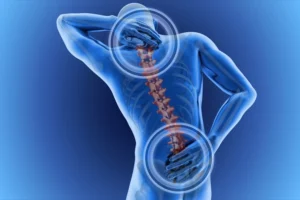
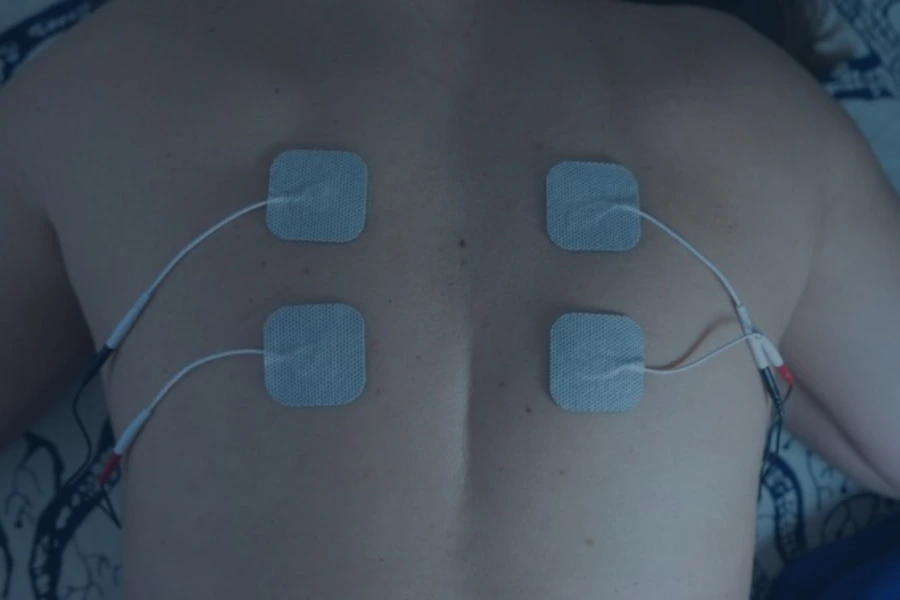
A spinal cord stimulator is different from many pain treatments because patients can typically try the therapy before deciding whether to move forward with a permanent implanted system.
A spinal cord stimulator trial is a temporary test period. Thin stimulation leads are positioned near the spinal cord and connected to an external stimulator. The system is then used for several days so the patient and physician can see whether it meaningfully reduces pain or improves everyday function.
The trial does not mean a permanent spinal cord stimulator has been implanted. Its purpose is to test the therapy first.
For people whose chronic pain has continued despite other approaches, exploring pain management treatments in New Jersey can help determine whether spinal cord stimulation or another treatment may be appropriate.
What is a Spinal Cord Stimulator Trial?
Quick Answer
A spinal cord stimulator trial is a temporary period that allows you and your doctor to evaluate how well spinal cord stimulation works before considering permanent implantation.
During the trial:
- Temporary leads are positioned near the spinal cord
- The leads connect to an external stimulator
- Electrical impulses are delivered through the leads
- The system is used for several days
- Changes in pain and daily function are monitored
- The temporary leads are removed when the trial ends
Spinal cord stimulation typically involves two separate stages. The first is the temporary trial. If the trial provides meaningful benefit and the treatment is considered appropriate, a permanent spinal cord stimulator may then be considered.
Why is There a Trial Before a Permanent Spinal Cord Stimulator?
Chronic pain is highly individual.
A treatment that provides significant relief for one person may not produce the same response for someone else. The trial gives the patient and physician real information about how that individual responds before committing to a permanently implanted device.
It Tests Whether Your Pain Responds
One of the main goals is to see whether spinal cord stimulation meaningfully reduces the pain being targeted.
The trial provides an opportunity to experience the therapy during everyday life rather than trying to predict how well it might work.
It Tests More Than Pain Scores
A successful spinal cord stimulator trial is not necessarily about eliminating pain completely.
Doctors may also look at whether the patient can:
- Walk farther
- Stand longer
- Sleep more comfortably
- Complete daily activities more easily
- Experience fewer interruptions because of pain
- Participate more comfortably in normal routines
For some patients, improved function may be just as meaningful as a change in the number they use to describe their pain.
Who May Be Considered for a Spinal Cord Stimulator Trial?
Spinal cord stimulation may be considered for certain chronic pain conditions that have not responded adequately to other treatments.
Depending on the individual situation, this may include people dealing with:
- Persistent neuropathic pain
- Certain cases of failed back surgery syndrome
- Chronic radiating pain
- Complex regional pain syndrome
- Other chronic pain conditions when appropriate
Not everyone with chronic pain is a candidate.
A physician considers the diagnosis, symptoms, treatment history, overall health, and other factors before determining whether a trial makes sense.
Patients who want a deeper look at those considerations can learn more about who may be a spinal cord stimulator candidate and how spinal cord stimulation may be used for certain cases of failed back surgery.
How Do You Prepare for a Spinal Cord Stimulator Trial?
Preparation depends on the patient’s medical history and the instructions provided by the treating physician.
One important part of preparation is deciding what a successful trial would actually look like for that individual patient.
Discuss Your Pain and Treatment Goals
Before the trial begins, the patient and doctor may identify specific activities that pain currently limits.
Goals might include:
- Walking through a store without stopping
- Sleeping for longer periods
- Standing long enough to prepare a meal
- Completing household activities
- Sitting more comfortably
- Participating more easily in rehabilitation
These goals give the patient something practical to evaluate during the trial.
Instead of only asking, “Did my pain score go down?” the patient can also ask, “Could I actually do more?”
Review Medications and Medical History
The physician may also review:
- Current medications
- Blood thinners
- Allergies
- Previous procedures
- Infection risk
- Other relevant medical conditions
Patients should follow the specific instructions provided by their doctor rather than making medication changes on their own.
What Happens During a Spinal Cord Stimulator Trial?
The trial procedure places temporary stimulation leads near the spinal cord while keeping the power source outside the body.
Temporary Leads Are Positioned Near the Spinal Cord
Thin leads are placed into the epidural space near the spinal cord.
Imaging guidance, such as fluoroscopy, may be used to help position the leads in the appropriate area.
The goal is to place the leads where stimulation can target the pain being treated.
The Leads Connect to an External Stimulator
During the trial, the stimulator itself remains outside the body.
The temporary leads connect to this external device, which sends electrical impulses through the leads.
This is an important difference between the trial and a permanent spinal cord stimulator system.
The System Is Programmed
The stimulation settings can be adjusted based on factors such as:
- Where the pain is located
- How the patient responds
- Comfort
- The type of stimulation being used
The patient is also shown how to use the temporary system during the trial period.
How Long Does a Spinal Cord Stimulator Trial Last?
A spinal cord stimulator trial commonly lasts several days.
The exact length can vary depending on the system being used, the physician’s protocol, and the patient’s circumstances.
Some trials may last up to approximately 10 days.
Why Does the Trial Last Several Days?
A few minutes of stimulation would not give a patient much information about how the therapy performs in real life.
Several days provide an opportunity to evaluate the treatment during activities such as:
- Walking
- Standing
- Sitting
- Sleeping
- Working
- Completing everyday tasks
That gives the patient and physician a more useful picture of whether spinal cord stimulation is actually improving daily life.
What Does a Spinal Cord Stimulator Trial Feel Like?
The experience can vary depending on the stimulation system and programming being used.
Some forms of spinal cord stimulation may create a tingling sensation known as paresthesia.
Other stimulation settings may work without producing a noticeable sensation.
Patients may also experience temporary soreness around the area where the trial leads were inserted.
The Goal Is Pain Relief, Not the Sensation Itself
Whether or not the patient can physically feel the stimulation is not the most important question.
What matters is whether the therapy improves pain, function, or both.
The trial is meant to evaluate the result of the stimulation, not simply whether the stimulation itself can be felt.
What Can You Do During a Spinal Cord Stimulator Trial?
The trial should give the patient enough opportunity to experience normal daily life and judge whether treatment is helping.
Patients may be encouraged to pay attention to activities that pain normally makes difficult.
Some Activities May Be Restricted
Temporary leads can move, so patients are usually given instructions designed to reduce the chance of lead displacement.
Depending on the physician’s instructions, restrictions may involve:
- Heavy lifting
- Significant bending
- Twisting
- Strenuous exercise
Patients are also commonly instructed to keep the temporary system dry.
Follow the instructions provided by the treating physician because trial restrictions can vary.
The goal is to test the treatment while also protecting the temporary leads.
How Do You Know If a Spinal Cord Stimulator Trial Is Successful?
Trial success is based on more than one number.
Doctors typically consider both pain relief and changes in everyday function.
Pain Relief Matters
One important question is how much the patient’s usual pain changed during the trial.
A commonly used benchmark is around 50% meaningful pain reduction, although the decision is individualized.
Not every patient needs to experience the exact same percentage of improvement for the trial to provide useful information.
Function Matters Too
The physician and patient may also consider questions such as:
- Could you walk farther?
- Did you sleep better?
- Were normal daily tasks easier?
- Did pain interrupt activities less often?
- Could you do something you normally avoid because of pain?
These practical improvements can help show whether the therapy is making a meaningful difference.
Keep Track of Changes During the Trial
Patients may be asked to keep track of:
- Pain levels
- Activities
- Sleep
- Medication use
- Specific functional improvements
That creates a clearer picture than simply trying to remember whether the trial “felt better.”
Does a Successful Trial Guarantee the Permanent Stimulator Will Work?
No.
A successful trial is a positive sign, but it cannot guarantee the exact long term result of permanent spinal cord stimulation.
The purpose of the trial is to provide evidence that the therapy appears promising for that particular patient.
Long term outcomes can still be influenced by several factors.
That is why the trial is used as an important decision making step rather than a guarantee.
What Happens After a Successful Spinal Cord Stimulator Trial?
At the end of the trial, the temporary leads are removed.
The patient and physician can then review:
- Pain reduction
- Functional improvement
- Trial goals
- Comfort with the therapy
- Any issues experienced during the trial
Permanent Implantation May Be Considered
If the trial produces meaningful improvement and both the patient and physician believe the therapy is appropriate, permanent implantation may be considered.
The permanent implant is a separate procedure.
A successful trial does not automatically mean implantation must happen. It provides information that helps the patient and physician decide whether moving forward makes sense.
What Happens If the Spinal Cord Stimulator Trial Does Not Work?
An unsuccessful spinal cord stimulator trial is still useful.
If the therapy does not provide enough pain relief or functional improvement, permanent implantation may not be the right next step.
The Trial Helps Avoid an Unnecessary Permanent Implant
This is one of the biggest reasons the trial period exists.
Patients can experience the therapy before committing to a permanently implanted system.
If the trial does not provide meaningful benefit, that information can prevent moving forward with a treatment that may not help enough.
Other Treatment Options Can Still Be Considered
If spinal cord stimulation is not effective enough during the trial, the physician may reassess:
- The diagnosis
- Previous treatments
- Medication management
- Injection based treatments
- Other neuromodulation options
- Other appropriate pain management approaches
There is no single automatic next treatment.
The next step depends on the underlying source of pain and the patient’s treatment history.
Are There Risks With a Spinal Cord Stimulator Trial?
Like other procedures, a spinal cord stimulator trial can have risks.
Potential complications may include:
- Infection
- Bleeding
- Lead movement
- Temporary discomfort around the insertion site
- Inadequate pain relief
- Other procedure related complications
The purpose of discussing these risks is not to make the procedure sound alarming. It is to help patients understand what the trial involves before deciding whether it is appropriate.
When Should You Contact Your Doctor During the Trial?
Patients should follow the specific instructions provided by their treating physician.
Reasons to contact the treatment team may include:
- Increasing pain around the procedure area
- Signs of infection
- Fever
- Problems with the trial equipment
- Significant changes in stimulation
- New neurological symptoms
- Concerns that a lead may have moved
Patients should contact their treatment team rather than trying to troubleshoot a possible device or lead problem on their own.
The Bottom Line
A spinal cord stimulator trial is a temporary test that allows a patient to experience spinal cord stimulation before deciding whether a permanent implanted system should be considered.
Temporary leads deliver stimulation for several days while the patient evaluates changes in pain and everyday function.
The trial gives both the patient and physician a better idea of whether spinal cord stimulation is likely to provide enough meaningful benefit to consider moving forward.
For patients dealing with persistent chronic pain despite other treatments, exploring pain management services in New Jersey can help determine whether a spinal cord stimulator trial or another treatment approach may be appropriate.