
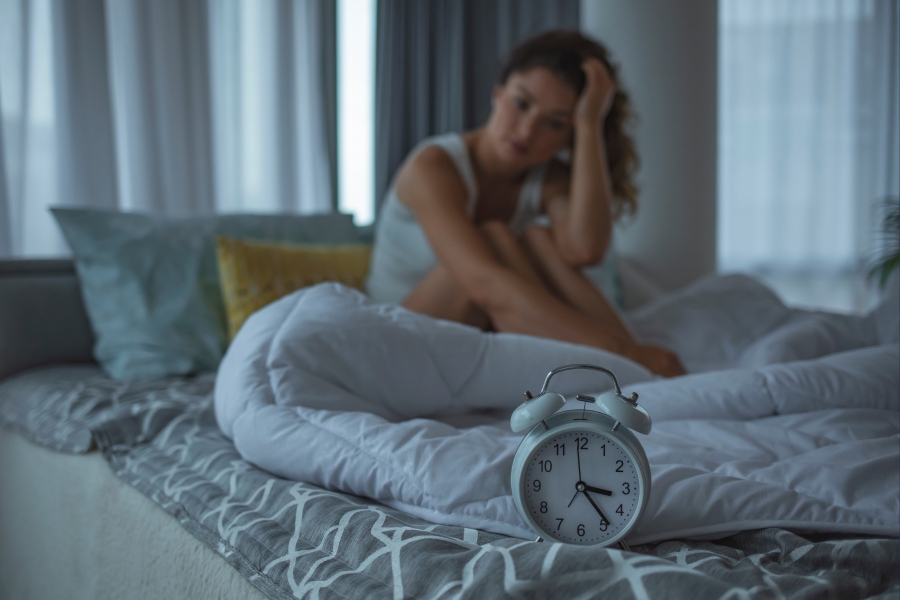
Can poor sleep make pain worse? Yes, poor sleep can make pain feel stronger, harder to ignore, and more likely to flare the next day.
Pain and sleep are closely connected. Pain can make it harder to fall asleep, stay asleep, or get comfortable at night. At the same time, poor sleep can make the nervous system more sensitive, which can make pain feel sharper, deeper, or more widespread.
That does not mean your pain is imaginary. Poor sleep can affect real physical processes in the body, including inflammation, tissue repair, muscle recovery, mood, stress levels, and how the brain processes pain signals.
This is why someone with back pain, joint pain, nerve pain, neck pain, or chronic pain may notice symptoms feel worse after a restless night. The pain was already there, but poor sleep may turn up the volume.
If pain is keeping you up at night or making daily life harder, The Center for Regenerative Therapy and Pain Management offers pain management treatments in NJ to help you explore your options.
How Sleep and Pain Are Connected
Sleep and pain work both ways
Sleep and pain can create a frustrating cycle.
When you are in pain, it can be hard to settle into bed. You may toss and turn, wake up when you change positions, or struggle to find a comfortable sleeping position. Even mild pain can keep your body from reaching the deeper stages of sleep it needs to recover.
Then, after a poor night of sleep, pain may feel worse the next day. Your body may feel more sensitive. Your muscles may feel tighter. Your joints may feel stiffer. Your energy may be lower, which can make normal movement feel more difficult.
This cycle can repeat itself. Pain disrupts sleep, poor sleep increases pain sensitivity, and the next night becomes harder again.
Why deep sleep matters for recovery
Deep sleep is when the body does some of its most important repair work.
During quality sleep, the body supports tissue repair, muscle recovery, joint recovery, immune function, and inflammation regulation. The nervous system also gets a chance to settle down and reset after a long day.
When sleep is interrupted, these recovery processes may not work as well. Muscles can stay tense. Joints can feel stiff. The nervous system may remain on high alert. You may wake up feeling sore, tired, and less able to handle normal daily stress.
Deep sleep also affects mood and energy. When you sleep well, pain can feel more manageable. When you sleep poorly, even a familiar ache may feel harder to tolerate.
Why Poor Sleep Can Make Pain Feel Worse
Poor sleep can increase pain sensitivity
Poor sleep can make the nervous system more reactive.
That means your body may respond more strongly to pain signals. A normal ache may feel more intense. Mild soreness may become harder to ignore. Pain that usually stays in one area may feel sharper or more widespread.
This can happen because sleep helps regulate how the brain and nervous system process pain. Without enough restorative sleep, the body may have a lower tolerance for discomfort.
This is one reason people often say, “Everything hurts more when I’m exhausted.” For many people, that feeling is real.
Poor sleep may increase inflammation
Sleep disruption may also affect inflammation in the body.
Inflammation is part of the body’s normal healing and immune response. But when inflammation stays elevated or becomes harder to regulate, it can contribute to stiffness, soreness, and pain sensitivity.
This may be especially noticeable for people with arthritis, back pain, joint pain, or chronic pain conditions. After a poor night of sleep, they may wake up feeling more swollen, stiff, achy, or sore than usual.
Poor sleep is usually not the only cause of pain. But it can make existing pain conditions feel more active or harder to calm down.
Poor sleep can slow healing
The body needs sleep to recover.
If you are dealing with an injury, flare-up, muscle strain, joint irritation, or chronic pain condition, poor sleep may slow the recovery process. Without enough restorative sleep, muscles and soft tissues may not repair as efficiently.
This can lead to more morning soreness, longer-lasting discomfort, and slower improvement after activity or treatment.
You may also feel like your body never fully resets. Even after resting, you still wake up tired, tight, or uncomfortable.
Poor sleep can worsen stress and mood
Pain is harder to manage when you are exhausted.
Poor sleep can increase fatigue, irritability, anxiety, and low mood. It can also lower your patience and make everyday stress feel heavier. When stress and mood are affected, pain may feel more intense.
Poor sleep can also make it harder to stay active. You may feel less motivated to stretch, walk, exercise, cook healthy meals, or keep up with your normal routine. Over time, less movement can lead to more stiffness, weakness, and pain.
This is why sleep matters so much in pain management. It affects the body and the mind at the same time.
Why Pain Often Feels Worse at Night
Less distraction makes pain more noticeable
During the day, your brain has a lot to focus on. Work, errands, conversations, phone calls, driving, movement, and daily responsibilities can all distract you from pain.
At night, things get quiet. There are fewer distractions. Your body is still, the room is dark, and your brain may start paying more attention to every ache, throb, or burning sensation.
This does not mean the pain is not real. It simply means your awareness of pain may increase when there is nothing else competing for your attention.
Sleep position can add pressure
Your sleep position can also make pain worse.
Poor neck alignment can contribute to neck pain, shoulder pain, headaches, or arm symptoms. Too much pressure on the low back can make back pain worse. Sleeping on one side for too long may irritate the hip, shoulder, or knee.
A pillow that is too high, too flat, or not supportive enough can strain the neck. A mattress that does not support your spine or joints may increase pressure points and morning stiffness.
For some people, pain at night is partly about positioning. The body may be trying to rest, but certain areas are being compressed, twisted, or unsupported for hours.
Stress can build before bed
Stress often gets louder at night.
When the day slows down, the brain may start replaying problems, responsibilities, conversations, or worries. This can make it harder to relax. Stress can also increase muscle tension, especially in the neck, shoulders, jaw, and back.
As stress builds, pain awareness may increase. You may notice every tight muscle, sore joint, or nerve symptom more clearly. Then the frustration of not sleeping can create even more tension.
This is one reason bedtime routines matter. The body often needs a signal that it is safe to relax.
Circadian rhythms may affect pain
Your body has an internal clock that helps regulate sleep, hormones, inflammation, energy, and other daily patterns.
These natural rhythms may also affect how pain is felt. For some people, pain feels worse at night because the body’s normal hormone and inflammation patterns shift. Pain may also feel stronger when fatigue builds at the end of the day.
This can be especially frustrating because nighttime is when you need rest most. But when the body is tired, tense, and sensitive, pain may become harder to ignore.
Common Pain Problems Linked to Poor Sleep
Back pain
Back pain and poor sleep often go together.
Back pain can make it hard to find a comfortable position. You may wake up when turning over, feel stiff in the morning, or notice pain that gets worse after lying still for several hours.
Poor mattress support, limited movement overnight, and muscle guarding can all make back pain feel worse. If pain regularly wakes you up, it may be a sign that the underlying cause needs attention.
Neck and shoulder pain
Neck and shoulder pain can also be affected by sleep quality.
A poor pillow position may strain the neck. Stress-related jaw tension can carry into the neck and shoulders. Tight muscles may become more irritated overnight, leading to headaches, stiffness, or upper back discomfort in the morning.
People who already deal with desk posture, phone use, or stress-related tension may notice neck and shoulder symptoms flare after poor sleep.
Joint pain
Joint pain may feel worse when sleep is disrupted.
This can include arthritis-type stiffness, hip pain, knee pain, shoulder pain, hand discomfort, or morning soreness. If inflammation is involved, poor sleep may make the body feel more achy or stiff.
Lying in one position for too long can also increase pressure on painful joints. That pressure may wake you up or make movement harder when you first get out of bed.
Nerve pain
Nerve pain can be especially disruptive at night.
Burning, tingling, shooting pain, or radiating pain into the arm or leg may feel more intense when you are lying still. Some people notice nerve symptoms more at night because there are fewer distractions and certain positions place more pressure on irritated nerves.
Poor sleep can also make the nervous system more sensitive, which may cause nerve pain to feel sharper, stronger, or more widespread the next day.
Chronic pain flare-ups
Poor sleep can contribute to chronic pain flare-ups.
People with ongoing pain conditions may notice more widespread soreness, fatigue, migraines, fibromyalgia-type symptoms, or reduced tolerance for activity after a bad night of sleep.
The body may feel like it has less capacity to recover. Pain may last longer, flare more easily, or feel harder to manage.
When this happens repeatedly, it can create a cycle where poor sleep feeds pain and pain feeds poor sleep.
The Poor Sleep and Pain Cycle
Poor sleep and pain can feed each other in a frustrating loop.
Pain makes it harder to fall asleep. It can also wake you up during the night or keep you from reaching deeper, more restorative sleep. Then, when you wake up tired the next day, your body may feel more sensitive to pain.
That lack of quality sleep can make normal aches feel stronger. Stress and fatigue can increase. Movement may decrease because you feel sore, tired, or worried about making symptoms worse. Over time, pain can become harder to manage.
The cycle often looks like this:
Pain makes sleep harder.
Poor sleep increases pain sensitivity.
Pain feels worse the next day.
Stress and fatigue increase.
Movement decreases.
Pain becomes harder to manage.
Breaking this cycle usually means addressing both sides of the problem. Better sleep habits can help reduce pain sensitivity, but the physical source of pain still matters. If back pain, neck pain, nerve pain, or joint pain keeps waking you up, the goal is to understand why it is happening and what can help.
Signs Poor Sleep May Be Making Your Pain Worse
Poor sleep may be playing a role in your pain if you notice patterns like:
Your pain feels worse after a bad night of sleep.
You wake up stiff, sore, or exhausted.
Pain wakes you up during the night.
You cannot find a comfortable sleeping position.
You feel more sensitive to normal aches.
Your pain improves when you sleep better.
You feel tired, stressed, or tense during flare-ups.
You rely on rest but still do not feel recovered.
These signs do not mean sleep is the only issue. Pain can come from many sources, including nerve irritation, joint problems, inflammation, disc issues, muscle strain, or chronic pain conditions. But if poor sleep keeps showing up alongside pain flare-ups, it may be an important part of the bigger picture.
What Can Help You Sleep Better With Pain?
Keep a consistent sleep schedule
A consistent sleep schedule helps support your body’s internal clock.
Try going to bed around the same time each night and waking up around the same time each morning. This can help your body learn when it is time to wind down and when it is time to wake up.
A regular routine also matters. Doing the same calming activities before bed can help signal to your body that the day is ending. This may be especially helpful if pain and stress tend to build at night.
Create a better sleep environment
Your sleep setup can make a big difference when you are dealing with pain.
A cool, dark, and quiet room can make it easier to fall asleep and stay asleep. A supportive mattress can help reduce pressure on the back, hips, shoulders, and joints. Proper pillows can also help keep the neck, spine, and knees in a more comfortable position.
The goal is not to create a perfect bedroom. The goal is to reduce anything that adds extra strain, pressure, noise, light, or discomfort.
Limit screens, caffeine, and heavy meals before bed
Some evening habits can make sleep harder.
Screens can expose your eyes to blue light, which may make it harder for the brain to wind down. Late caffeine can keep the nervous system more alert than you want it to be at bedtime. Alcohol may make you sleepy at first, but it can disrupt sleep quality later in the night.
Heavy dinners can also be a problem, especially if they cause acid reflux, bloating, or discomfort when lying down. If pain already makes sleep difficult, these extra triggers can make the night even harder.
Try gentle movement before bed
Gentle movement can help reduce stiffness before sleep.
This may include light stretching, a short walk, slow mobility work, or simple movements that help your body loosen up. The goal is to calm the body, not push it hard.
Intense exercise too close to bedtime may make it harder to fall asleep for some people. A lighter routine is usually better if you are trying to relax and prepare for rest.
Use relaxation techniques
Relaxation techniques can help calm the nervous system before bed.
Deep breathing, meditation, progressive muscle relaxation, mindfulness, or a quiet bedtime routine may help reduce tension. These strategies can be useful if pain, stress, or racing thoughts make it hard to settle down.
Even a few minutes of slow breathing or intentional relaxation may help your body shift out of high-alert mode.
When Should You See a Pain Management Specialist?
You should consider seeing a pain management specialist if pain keeps disrupting your sleep or daily life.
Pain that lasts more than a few weeks should be evaluated, especially if it is not improving with rest, stretching, activity changes, or conservative care. Pain that is worsening, spreading, or returning again and again also deserves attention.
It is especially important to seek care if pain radiates into the arm or leg. Numbness, tingling, burning, or weakness may point to nerve involvement and should not be ignored.
You may also benefit from a pain management evaluation if you are relying too much on medication, rest, or avoiding movement just to get through the day. Pain that affects work, walking, exercise, driving, sleep, or normal daily activities is worth taking seriously.
The Center for Regenerative Therapy and Pain Management sees patients in Shrewsbury and Toms River, helping people better understand where their pain may be coming from and which treatment options may fit their symptoms.
Pain Management Options That May Help
If pain is regularly affecting your sleep, treatment depends on what is causing the pain.
For some patients, Medication Management may help control symptoms as part of a broader care plan. If nerve irritation is involved, Nerve Blocks, Steroid Injections, or Epidural Injections may be considered depending on the source and location of pain.
For certain chronic pain conditions, Radiofrequency Ablation may help target pain signals from specific joints or nerves. Spinal Cord Stimulators may be considered for some patients with ongoing nerve-related pain that has not improved with other treatments.
For joint-related pain, Plasma Injections or Hyaluronic Acid Gel Injections may be options in certain cases.
These treatments are not used simply because someone is sleeping poorly. They are used to address the physical pain source. Better sleep habits can help reduce pain sensitivity and flare-up triggers, while pain management treatments may help address the underlying condition keeping you uncomfortable.
Frequently Asked Questions About Poor Sleep and Pain
Can poor sleep make pain worse?
Yes. Poor sleep can increase pain sensitivity, reduce recovery, affect inflammation, and make existing pain feel stronger.
When the body does not get enough restorative sleep, the nervous system may become more reactive. This can make pain feel sharper, deeper, or harder to ignore.
Why does pain feel worse after a bad night of sleep?
Pain may feel worse after a bad night of sleep because the body has not had enough time to recover.
A lack of restorative sleep can make the nervous system more sensitive, which may make normal pain signals feel louder. You may also wake up with more stiffness, fatigue, stress, or muscle tension.
Can chronic pain cause insomnia?
Yes. Chronic pain can make it harder to fall asleep, stay asleep, or reach deep restorative sleep.
Pain may keep you awake while you try to get comfortable. It may also wake you up when you move, turn over, or stay in one position too long.
Why does my pain get worse at night?
Pain may feel worse at night because there are fewer distractions. During the day, your attention is often focused on work, errands, conversations, or movement. At night, your brain may focus more on pain.
Sleep position can also add pressure to the neck, back, hips, shoulders, or joints. Stress may build before bed, and the body’s internal rhythms may affect pain perception.
Can better sleep reduce pain?
Better sleep may help reduce pain sensitivity, support healing, improve mood, and make flare-ups easier to manage.
Sleep may not fix the underlying pain source by itself, but it can support the body’s ability to recover and regulate pain signals.
When should I see a doctor for pain-related sleep problems?
You should get evaluated if pain regularly disrupts sleep, keeps returning, worsens, spreads, or affects daily activities.
You should also seek care if you have numbness, tingling, weakness, radiating pain, or symptoms that do not improve with conservative care.
Conclusion
Poor sleep can make pain worse, and pain can make sleep harder. This cycle is real, common, and frustrating.
It does not mean your pain is imaginary. Poor sleep can affect the nervous system, inflammation, recovery, stress, mood, and pain sensitivity. At the same time, an untreated pain source can keep waking you up and making recovery harder.
Addressing both sleep and the source of pain can help you better understand what your body needs.
If poor sleep and pain are affecting your daily routine, The Center for Regenerative Therapy and Pain Management offers pain management in New Jersey to help identify the source of your symptoms and build a treatment plan that fits your needs.
