
Inflammation is a normal part of the body’s healing process. When you get injured, sick, or irritated tissue needs repair, your immune system sends cells and chemicals to protect the area and start healing.
In the short term, inflammation can be helpful. It can help fight infection, repair damaged tissue, and protect the body from further harm. But when inflammation lasts too long or keeps coming back, it may start contributing to chronic pain.
Not all chronic pain is caused by inflammation. Pain can also come from nerve damage, structural problems, muscle tension, or changes in how the nervous system processes pain. Still, inflammation can play an important role in many painful conditions.
If chronic pain is affecting your daily life, explore pain management treatments in New Jersey to learn about your treatment options.
What Is Inflammation?
The Body’s Natural Healing Response
Inflammation is the body’s natural response to injury, infection, or irritation.
For example, if you twist your ankle, the area may become swollen, warm, tender, or red. That reaction is your body sending blood flow, immune cells, and healing chemicals to the injured area.
This short-term response is called acute inflammation. It is part of how the body protects and repairs itself.
Acute vs. Chronic Inflammation
Acute inflammation is short-term. It usually happens after an injury, infection, or sudden irritation and improves as the body heals.
Chronic inflammation lasts longer. It may continue for weeks, months, or even longer, depending on the condition.
The problem is that long-lasting inflammation can keep tissues irritated. Instead of helping the body heal, it may continue sending pain signals, increasing sensitivity, and making movement more uncomfortable.
Is Inflammation Always Bad?
No. Inflammation is not always bad.
Your body needs inflammation to heal injuries and fight infection. Without it, recovery would be much harder.
Problems happen when inflammation persists longer than needed or keeps flaring up. At that point, it may become part of the pain cycle instead of part of the healing process.
How Does Inflammation Cause Pain?
Irritating Nerves
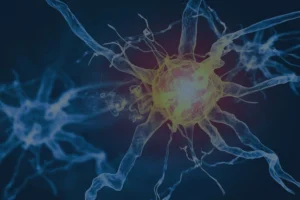
Inflammation can irritate nearby nerves.
When tissue becomes inflamed, the body releases chemicals that can make nerves more sensitive. Those nerves may start sending stronger pain signals, even during movements or activities that would normally feel manageable.
This is one reason inflamed areas can feel sore, sharp, burning, or unusually tender.
Swelling and Pressure
Inflammation can also cause swelling.
When tissues swell, they may place pressure on nearby joints, muscles, or nerves. That pressure can create pain, stiffness, tightness, or symptoms that travel into another area.
For example, inflammation around the spine may irritate nearby nerves and contribute to pain that moves into the arm or leg.
Increased Pain Sensitivity
Inflammation can make the body more sensitive to pain.
A movement that normally feels fine may suddenly feel painful because the affected area is irritated. Even light pressure, bending, walking, lifting, or turning may feel harder than usual.
When this sensitivity continues, people may start moving less, which can lead to stiffness, weakness, and more discomfort over time.
Conditions Where Inflammation May Contribute to Chronic Pain
Inflammation does not affect every condition the same way. In some cases, it is a major driver of pain. In others, it may be one piece of a larger problem.
Arthritis
Arthritis often involves joint pain, stiffness, and inflammation.
When joints are inflamed, they may feel swollen, warm, stiff, or painful with movement. Arthritis-related inflammation can also come and go, which is why some people experience flare-ups.
Herniated Discs
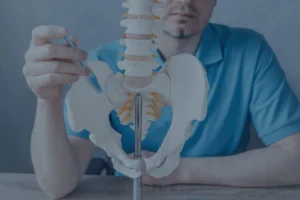
A herniated disc can irritate nearby spinal nerves.
Part of the pain may come from pressure on the nerve, but inflammation around the irritated nerve can also contribute. This can lead to back pain, neck pain, or pain that travels into the arms or legs.
Tendon Injuries
Tendons connect muscles to bones. When tendons become irritated or injured, inflammation may cause pain with movement, lifting, gripping, walking, or repetitive activity.
If the tendon does not heal properly or continues to be stressed, pain may become more persistent.
Joint Injuries
Joint injuries can create inflammation inside or around the joint.
This may happen after a sprain, strain, cartilage injury, overuse injury, or trauma. Inflammation can make the joint feel stiff, swollen, unstable, or painful during normal movement.
Certain Nerve Conditions
Some nerve-related pain may involve inflammation around irritated or compressed nerves.
When nerves become inflamed, they may send pain signals that feel burning, tingling, shooting, or electric-like. These symptoms may travel along the path of the nerve.
Autoimmune Disorders
Autoimmune disorders can cause the immune system to attack healthy tissues by mistake.
In some conditions, this can lead to ongoing inflammation in joints, muscles, nerves, or connective tissue. Pain may flare, shift, or become more widespread depending on the disorder.
Signs That Inflammation May Be Contributing to Pain
Inflammation does not always look obvious. Some people have visible swelling or warmth, while others mainly notice stiffness, tenderness, or flare-ups.
These symptoms are not present in every condition, but they can be clues that inflammation may be involved.
Swelling
Swelling is one of the most common signs of inflammation.
A swollen area may look larger, feel tight, or become harder to move. Swelling can happen after an injury, during an arthritis flare-up, or when tissue is irritated.
Warmth Around a Joint
An inflamed joint or tissue area may feel warm to the touch.
Warmth happens because the body sends more blood flow to the area during the inflammatory response. If warmth appears with significant redness, fever, or severe pain, it should be evaluated promptly.
Morning Stiffness
Morning stiffness can be a sign that inflammation is contributing to pain, especially when stiffness lasts for a while after waking up.
Some people feel better once they start moving. Others feel stiff again after sitting still for too long.
Pain That Improves With Movement
Inflammation-related stiffness may improve with gentle movement.
For example, a joint may feel tight and painful at first, then loosen up as the day goes on. This pattern can happen with certain inflammatory or arthritis-related conditions.
Pain That Worsens During Flare-Ups
Inflammatory pain often comes in flare-ups.
Symptoms may worsen after overuse, stress, poor sleep, illness, weather changes, or certain activities. During a flare-up, pain may feel sharper, more widespread, or harder to manage than usual.
Can Chronic Pain Exist Without Inflammation?
Yes, Sometimes
Yes. Chronic pain can exist even when inflammation is not the main issue.
Some long-term pain comes from nerve damage, structural problems, muscle dysfunction, joint degeneration, or changes in how the nervous system processes pain. In these cases, the body may continue sending pain signals even when visible swelling or active inflammation is not obvious.
This is why chronic pain can be frustrating. Two people may have similar symptoms, but the cause of their pain may be completely different.
Why Finding the Pain Source Matters
Finding the pain source matters because different causes require different treatments.
Inflammation-related pain may respond to one type of treatment, while nerve pain, joint pain, disc-related pain, or muscle-related pain may need a different approach.
A proper diagnosis helps guide care. It gives your provider a clearer picture of what may be causing your symptoms and which treatment options are most appropriate.
How Pain Management Addresses Inflammation-Related Pain
Pain management does not treat inflammation in isolation. It looks at the diagnosis, symptoms, function, medical history, and how pain affects your daily life.
Treatment depends on what is causing the pain, not just whether inflammation may be involved.
Identifying the Cause
The first step is understanding where the pain is coming from.
Your provider may review your symptoms, perform an exam, look at imaging, discuss your medical history, and consider how your pain behaves during movement or rest.
This helps determine whether inflammation, nerve irritation, joint problems, or another issue may be contributing to your pain.
Medication Management
Medication management may be used when appropriate to reduce pain, calm inflammation, or help improve daily function.
The goal is not just to mask symptoms. Medication may be one part of a larger plan that helps patients move better, sleep better, and tolerate daily activities more comfortably.
Epidural Steroid Injections
Epidural steroid injections may be recommended for certain spine-related pain conditions, especially when inflammation is irritating spinal nerves.
For example, a patient with pain traveling from the lower back into the leg may have nerve inflammation related to a disc or spinal condition.
The goal is to reduce inflammation around the nerve and improve pain and function.
Nerve Blocks
Nerve blocks may help identify or treat pain coming from specific nerves or joints.
In some cases, they are used diagnostically to confirm whether a certain area is contributing to pain. In other cases, they may provide temporary relief as part of a broader treatment plan.
Physical Therapy and Activity
Physical therapy and appropriate activity can help reduce stiffness, improve strength, support joint function, and improve movement patterns.
When pain causes someone to move less, the body can become weaker and tighter over time. Guided movement can help support recovery without pushing the body too hard.
Regenerative Therapy Options
Some patients may be candidates for regenerative therapy options, depending on their diagnosis and overall health.
These treatments may be considered for certain joint, tendon, ligament, or soft tissue conditions. They are not right for every patient, so the decision depends on the specific pain source and treatment goals.
Can Lifestyle Habits Influence Inflammation?
Lifestyle habits can influence overall health, recovery, and how the body responds to pain. They may not “cure” chronic pain on their own, but they can support a treatment plan.
It is important to avoid quick-fix claims. No single habit, food, or supplement is guaranteed to eliminate inflammation or chronic pain.
Regular Physical Activity
Regular physical activity can support joint health, circulation, strength, flexibility, and mood.
The key is choosing movement that fits your condition. Gentle walking, stretching, strengthening, or physical therapy exercises may help some people, while others may need modified activity to avoid flare-ups.
Healthy Sleep
Sleep plays an important role in recovery and pain regulation.
Poor sleep can make pain feel worse and may increase sensitivity to discomfort. Better sleep habits may help the nervous system recover and make daily symptoms easier to manage.
Stress Management
Stress can affect muscle tension, sleep, inflammation, and pain sensitivity.
Managing stress does not mean pain is “all in your head.” It means the body and nervous system are connected. Breathing exercises, pacing, relaxation strategies, counseling, or other stress-management tools may help support overall pain care.
Maintaining a Healthy Weight
Maintaining a healthy weight may help reduce stress on weight-bearing joints such as the knees, hips, and lower back.
For some patients, reducing extra joint strain can make movement easier and may support better function over time.
Following Medical Recommendations
Following your provider’s recommendations can help prevent flare-ups and support recovery.
This may include taking medications as directed, attending follow-up visits, completing therapy exercises, modifying certain activities, or reporting symptoms that change over time.
When Should You See a Pain Management Specialist?
You should consider seeing a pain management specialist when pain lasts longer than expected, interferes with your life, or does not improve with basic care.
Pain does not have to be unbearable before it deserves attention.
Pain Lasts More Than Three Months
Pain lasting more than three months is often considered chronic.
At that point, it may be time to look more closely at the source of pain and whether a more targeted treatment plan is needed.
Pain Is Limiting Daily Activities
Pain should be evaluated when it starts affecting normal life.
That may include trouble walking, sitting, standing, working, exercising, sleeping, driving, or handling daily responsibilities.
Conservative Care Is Not Helping
Many people try rest, stretching, heat, ice, over-the-counter medication, or physical therapy first.
If those options are not helping enough, a pain management specialist may be able to recommend additional treatment options based on the diagnosis.
Symptoms Continue to Get Worse
Pain that keeps getting worse should not be ignored.
Worsening symptoms may mean the condition needs further evaluation, additional testing, or a different treatment approach.
Frequently Asked Questions About Inflammation and Chronic Pain
Can inflammation cause chronic pain?
Yes. Ongoing inflammation may contribute to chronic pain in some conditions, although it is not the only cause of long-term pain.
When inflammation continues, it can irritate nerves, increase sensitivity, and make movement more uncomfortable.
Is all chronic pain caused by inflammation?
No. Chronic pain may also result from nerve injuries, structural conditions, muscle problems, joint degeneration, or changes in how the nervous system processes pain.
That is why identifying the source of pain is so important.
What are signs of inflammation?
Common signs may include swelling, warmth, stiffness, redness, and pain, depending on the condition.
Some people also notice flare-ups, tenderness, or stiffness that improves with gentle movement.
Can reducing inflammation help pain?
In some cases, yes. Reducing inflammation may help relieve pain when inflammation is contributing to the condition.
However, if pain is caused by nerve damage, structural changes, or another issue, treatment may need to address more than inflammation alone.
How do doctors determine whether inflammation is causing pain?
Providers consider your symptoms, physical exam, medical history, imaging, and other diagnostic information to determine the likely source of pain.
They may also look at how pain behaves, where it travels, what triggers it, and how it responds to prior treatments.
Conclusion
Inflammation is an important part of healing, but it can contribute to chronic pain when it persists longer than it should.
Understanding the source of pain is essential for choosing the right treatment. Inflammation may be part of the problem, but it is not always the only cause.
If you’re living with chronic pain, contact the Center for Regenerative Therapy and Pain Management to learn more about pain management in NJ.