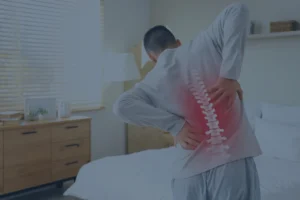

Back pain mistakes are incredibly common, mostly because people don’t realize how small habits, posture issues, and inactivity slowly make their symptoms worse. Back pain rarely happens “overnight”—it builds from repeated strain, inflammation, or untreated irritation. Understanding the most common mistakes is the first step toward finally getting relief.
If back pain keeps interrupting your daily life, the Center for Regenerative Therapy and Pain Management is here to help. Schedule an appointment with a pain management doctor in New Jersey to get the right diagnosis and a tailored treatment plan.
Mistake #1: Ignoring Early Pain and Hoping It Will Disappear
Early back pain is your body saying, “Something isn’t right.”
The worst thing you can do is push through it or wait it out.
- Mild pain often reflects early nerve irritation, disc strain, or muscle inflammation.
- The longer these go untreated, the more they escalate into chronic pain.
- Pain that lasts more than a few days—or comes and goes repeatedly—is a red flag that needs real evaluation.
Mistake #2: Resting Too Much or Becoming Inactive
Rest feels good at first, but too much of it backfires fast.
- Excessive rest weakens core muscles and back stabilizers.
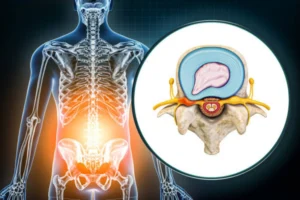
- Long periods of sitting increase pressure on the lumbar discs.
- Light activity—like walking, gentle stretching, and mobility work—helps reduce inflammation and speed recovery.
Motion heals. Total rest doesn’t.
Mistake #3: Using Heat at the Wrong Time
Heat isn’t always your friend.
- Heat on a fresh injury increases swelling and inflammation.
- Cold therapy helps reduce nerve irritation and inflammation during the first 48–72 hours.
- Heat is better later, when muscles are tight or stiff—not swollen.
Simple rule:
- New pain = cold.
- Stiff, older pain = heat.
Mistake #4: Lifting, Bending, or Moving Incorrectly
Poor Lifting Form
A huge percentage of back pain flare-ups come from bending at the waist.
- This puts direct pressure on the lumbar discs.
- The spine absorbs most of the load instead of your legs and hips.
Better approach: Bend your knees, hinge at your hips, keep the item close to your body, and avoid twisting.
Sudden Movements or Overexertion
Weekend yardwork, cleaning marathons, heavy gym days, or moving furniture often trigger sharp pain because:
- The back isn’t warmed up.
- The movement is repetitive or one-sided.
- The load is heavier than your stabilizers can handle.
Controlled movement > surprise strain.
Mistake #5: Relying on Pain Medications Alone
Pain medications can play a role, but they aren’t a fix.
- They mask discomfort instead of treating the root cause.
- Overuse can lead to dependency, rebound pain, or delayed diagnosis.
- The best outcomes come from combining medication with physical therapy, injections, strengthening, posture correction, and lifestyle changes.
Medication should support treatment—not replace it.
Mistake #6: Poor Posture & Bad Ergonomics
Sitting Slouched or Leaning Forward
Desk jobs and phone use are major contributors to chronic pain.
- Slouching strains spinal ligaments.
- Leaning forward increases disc pressure and causes tech neck.
- Long periods of sitting weaken postural muscles.
Small ergonomic changes make a huge difference.
Standing With Imbalanced Weight
Common posture habits that stress your back:
- Leaning onto one hip
- Locking your knees
- Overarching your lower back
These positions overload one side of the spine and weaken stabilizing muscles over time.
Unsafe Sleeping Positions
Your sleep posture can either help your back heal—or irritate it all night long.
- Stomach sleeping twists the spine.
- Unsupported side sleeping causes hip + lower back rotation.
- Back sleeping without knee support can strain the lumbar curve.
Better positioning:
- Side sleepers → pillow between knees
- Back sleepers → small pillow under knees
- Firm, supportive mattress
- Neutral neck alignment
Mistake #7: Doing the Wrong Exercises (Or Copying Social Media Routines)
One of the most common back pain mistakes people make is assuming all exercises are safe for all types of back pain. They’re not.
Back pain comes from different causes—disc injuries, muscle strains, nerve irritation, stenosis—and each requires a different approach. That’s why blindly following a TikTok “back pain routine” or a YouTube workout can make your symptoms worse.
- Sit-ups, crunches, and heavy twisting motions can strain lumbar discs.
- Overaggressive stretching can worsen nerve irritation.
- Even “core workouts” can backfire if they’re not tailored to your condition.
A personalized rehab plan always works better because it strengthens the right muscles without aggravating your spine.
Mistake #8: Not Strengthening the Core or Supporting Muscles
Weak core muscles don’t just cause pain—they force your spine to carry loads it’s not designed to carry.
Glutes, hips, and abdominals all work together to stabilize your spine. When they’re weak, every movement becomes harder on your lower back.
Safe, low-impact strengthening options include:
- Planks (great for deep core stability)
- Bridges (activate glutes that support the lower back)
- Bird dog (improves balance + spine control)
- Pelvic tilts (gentle exercise for early strengthening)
Strength isn’t about doing more reps—it’s about training the right muscles.
Mistake #9: Returning to Normal Activity Too Fast
Feeling “a little better” doesn’t mean your tissues are healed.
This is one of the most overlooked back pain mistakes.
People often reinjure themselves by:
- Going back to heavy lifting
- Doing yardwork after a few pain-free days
- Jumping into workouts at full intensity
- Sitting at a desk for long hours too soon
Healing tissues need progressive loading, not a sudden jump to 100%.
A phased return-to-activity plan helps prevent flare-ups:
- Light walking + mobility
- Gentle strengthening
- Gradual increase in load or duration
- Only then return to full activity
Slow progress = fewer setbacks.
Mistake #10: Ignoring Stress, Sleep, and Inflammation
Back pain isn’t only physical—your “internal environment” plays a massive role in how severe your pain feels.
Stress Increases Pain Sensitivity
Stress tightens muscles, increases inflammation, and reduces blood flow to nerves, making pain feel sharper and more persistent.
Poor Sleep = Higher Pain Levels
Sleep restores tissues.
Poor sleep—common with back pain—creates a cycle where:
- Less rest → increased pain sensitivity
- Increased pain → worse sleep
Breaking that cycle is crucial.
Diet & Lifestyle
Inflammation adds fuel to the fire.
Triggers include:
- High sugar
- Smoking
- Alcohol
- Dehydration
- Processed foods
Gentle daily movement—walking, stretching, or light yoga—is one of the most natural anti-inflammatory therapies available.
When to See a Pain Management Specialist
You shouldn’t wait months to get help. Back pain becomes harder to treat the longer it lingers.
Seek expert evaluation if you have:
- Pain lasting longer than 2–6 weeks
- Pain that spreads, radiates, or shoots down a leg
- Numbness, tingling, or muscle weakness
- Trouble walking, sleeping, or standing
- Red-flag symptoms (bowel/bladder changes or severe weakness)
Early treatment prevents small problems from becoming chronic pain pathways.
FAQs About Back Pain
Why does my back pain come and go?
Back pain often flares based on posture, activity level, inflammation, or stress. When the underlying cause isn’t addressed, pain cycles repeat.
Can back pain heal without treatment?
Minor strains can improve with rest and gentle movement. Persistent, recurring, or radiating pain usually needs medical evaluation to avoid long-term issues.
How do I know if my back pain is serious?
Severe or worsening pain, leg weakness, numbness, trouble walking, or bowel/bladder changes require immediate medical attention.
Does strengthening my core really help?
Yes—strong glutes, hips, and core muscles reduce strain on your spine and improve movement control, lowering your risk of flare-ups.
Should I use heat or ice for back pain?
Use ice for new pain (first 48–72 hours). Use heat for stiffness and tight muscles once inflammation has settled.
Final Thoughts — You Don’t Have to Live With Back Pain
Most back pain improves when you avoid the common back pain mistakes that keep people stuck—too much rest, poor posture, unsafe exercises, and delayed treatment. The key is understanding your pain and treating the cause, not just the symptoms.
If back pain is stopping you from living normally, the Center for Regenerative Therapy and Pain Management offers advanced, non-surgical solutions to help you feel better faster. Schedule your visit with a pain management doctor in New Jersey today.