Burning, tingling, numbness, or weakness in the hands and feet can be difficult to ignore. These symptoms may come and go at first, or they may gradually become more noticeable and begin affecting sleep, balance, movement, or everyday tasks.
In some cases, these sensations develop when nerves outside the brain and spinal cord become damaged. This is known as peripheral neuropathy.
Peripheral neuropathy is not one specific disease. It is a broad term used to describe conditions involving damage to the peripheral nerves. Because different nerves control sensation, movement, and automatic body functions, symptoms can vary widely from one person to another.
The cause also matters. Neuropathy related to diabetes may look different from neuropathy caused by an injury, vitamin deficiency, medication, or autoimmune condition. Treatment must therefore be based on the affected nerves, the underlying cause, and the severity of the symptoms.
People experiencing persistent nerve-related pain, numbness, or weakness can learn more about personalized pain management treatments in New Jersey at The Center for Regenerative Therapy and Pain Management.
Quick Answer: What is Peripheral Neuropathy?
Peripheral neuropathy is damage to one or more nerves in the peripheral nervous system.
The peripheral nervous system includes the nerves located outside the brain and spinal cord. These nerves act as communication lines between the central nervous system and the rest of the body.
They carry signals between the brain, spinal cord, muscles, skin, internal organs, and other tissues. These signals allow you to feel temperature, recognize pain, move your muscles, maintain balance, and control certain automatic body functions.
When a peripheral nerve becomes damaged, it may send incorrect signals, weak signals, or no signal at all. A damaged sensory nerve might create burning pain even when there is no injury. Another nerve may fail to register heat, pressure, or touch correctly.
Neuropathy may affect:
- One individual nerve
- Several separate nerves
- Many nerves throughout the body
The symptoms depend largely on which nerves are involved.
What Does Peripheral Neuropathy Feel Like?
Peripheral neuropathy does not feel the same for everyone. Some people mainly experience numbness or tingling. Others develop significant pain, weakness, coordination problems, or changes in automatic body functions.
Symptoms may remain mild, become gradually worse, or fluctuate over time.
Common Sensory Symptoms
Sensory nerves help the body detect pain, touch, pressure, and temperature. Damage to these nerves may cause:
- Numbness
- Tingling
- Pins-and-needles sensations
- Burning pain
- Sharp or electric pain
- Increased sensitivity to touch
- Reduced ability to feel heat, cold, pressure, or injury
Even light contact from clothing or bedding may feel painful when a nerve becomes unusually sensitive.
Reduced sensation can also create safety concerns. Someone who cannot fully feel their feet may not notice a blister, cut, burn, or other injury.
Common Motor Symptoms
Motor nerves control muscle movement. When these nerves are affected, symptoms may include:
- Muscle weakness
- Muscle cramps
- Difficulty walking
- Poor coordination
- Loss of balance
- Muscle wasting in more advanced cases
A person may begin dropping objects, struggling with stairs, tripping more often, or feeling less steady while walking.
These symptoms may be especially noticeable when neuropathy affects the feet and legs.
Autonomic Symptoms
Autonomic nerves control functions that occur without conscious effort. These include digestion, sweating, blood pressure regulation, bladder control, and sexual function.
Damage to autonomic nerves may cause:
- Dizziness when standing
- Unusual or reduced sweating
- Digestive problems
- Changes in blood pressure
- Bladder difficulties
- Sexual dysfunction
Not everyone with peripheral neuropathy develops autonomic symptoms. The exact symptoms depend on which nerves are damaged and how extensive the damage has become.
Where Does Peripheral Neuropathy Usually Begin?
Peripheral neuropathy commonly begins in the toes, feet, fingers, or hands.
When symptoms affect both feet or both hands in a similar pattern, doctors may describe the distribution as a “stocking-and-glove” pattern. This means the affected areas resemble the parts of the body that would be covered by stockings or gloves.
Symptoms often begin in the longest nerves first. Because the nerves traveling to the feet are longer than those serving areas closer to the spine, the toes and feet are common starting points.
As nerve damage progresses, numbness, tingling, or burning may gradually move upward into the ankles, lower legs, wrists, or arms.
However, neuropathy does not always follow this pattern. Damage may affect one specific nerve, one limb, or one side of the body when the cause involves an injury, compression, or localized medical condition.
What Causes Peripheral Neuropathy?
Peripheral neuropathy can have many possible causes. Identifying the cause is important because treatment often focuses on both the nerve symptoms and the underlying condition.
Diabetes
Diabetes is one of the most common causes of peripheral neuropathy.
Over time, prolonged high blood sugar may damage nerves and the small blood vessels that supply them. Diabetic neuropathy commonly begins in the feet and legs and may cause numbness, burning, tingling, or reduced sensitivity.
Because reduced sensation can make foot injuries harder to notice, regular foot care is especially important for people with diabetes.
Physical Injury or Nerve Compression
A nerve may become damaged by a sudden injury or repeated pressure.
Possible causes include:
- Car accidents
- Falls
- Sports injuries
- Repetitive movements
- Prolonged pressure on a nerve
- Entrapment or compression
A compressed nerve may cause pain, tingling, numbness, or weakness along the path of that nerve.
Autoimmune and Inflammatory Conditions
Certain autoimmune conditions may cause the immune system to attack or inflame peripheral nerves.
Examples include:
- Rheumatoid arthritis
- Lupus
- Other immune-related diseases
Inflammation may directly affect the nerves or surrounding tissues, leading to pain, numbness, weakness, or other neurological symptoms.
Infections
Some infections can damage or irritate peripheral nerves.
Possible examples include:
- Shingles
- Lyme disease
- Certain viral infections
- Certain bacterial infections
Shingles, for example, may lead to persistent nerve pain even after the visible rash has healed.
Nutritional Deficiencies
Nerves depend on proper nutrition to function correctly.
Vitamin B12 deficiency is one well-known nutritional cause of nerve damage. Other nutritional problems may also interfere with nerve health, particularly when they remain untreated.
Symptoms related to a deficiency may include numbness, tingling, weakness, or difficulty with balance.
Alcohol Use and Toxin Exposure
Long-term heavy alcohol use may contribute to peripheral nerve damage. This may occur because of the direct effects of alcohol, nutritional deficiencies, or a combination of both.
Exposure to certain industrial chemicals, heavy metals, or environmental toxins may also damage peripheral nerves.
Medication-Related Neuropathy
Certain medications can cause peripheral neuropathy as a side effect. Some cancer treatments are commonly associated with nerve damage, although other medications may also contribute.
Anyone who develops nerve-related symptoms after beginning a medication should speak with the prescribing physician. Patients should not stop or change a prescribed medication without medical guidance.
Kidney, Liver, and Metabolic Conditions
Conditions that affect the body’s ability to remove waste or regulate hormones may contribute to nerve damage.
These may include:
- Chronic kidney disease
- Liver disease
- Thyroid disorders
- Other metabolic conditions
When the underlying condition is treated or better controlled, nerve symptoms may sometimes improve or become easier to manage.
Hereditary Neuropathy
Some forms of peripheral neuropathy are inherited.
Charcot-Marie-Tooth disease is one example of a hereditary neurological condition that affects peripheral nerves. Inherited neuropathies may cause gradual muscle weakness, changes in sensation, balance problems, or foot deformities.
Symptoms and severity can vary considerably between individuals.
Idiopathic Peripheral Neuropathy
Idiopathic peripheral neuropathy means that no clear cause has been identified.
This does not mean that the symptoms are not real or that an evaluation is unnecessary. Doctors may still use a medical history, physical examination, laboratory testing, and nerve studies to rule out known causes.
Even when the source cannot be confirmed, treatment may still focus on reducing symptoms, protecting mobility, and preventing complications.
What Are the Main Types of Peripheral Neuropathy?
Peripheral neuropathy may be classified according to the number of nerves involved or the type of nerve function affected.
Mononeuropathy
Mononeuropathy involves damage to one peripheral nerve.
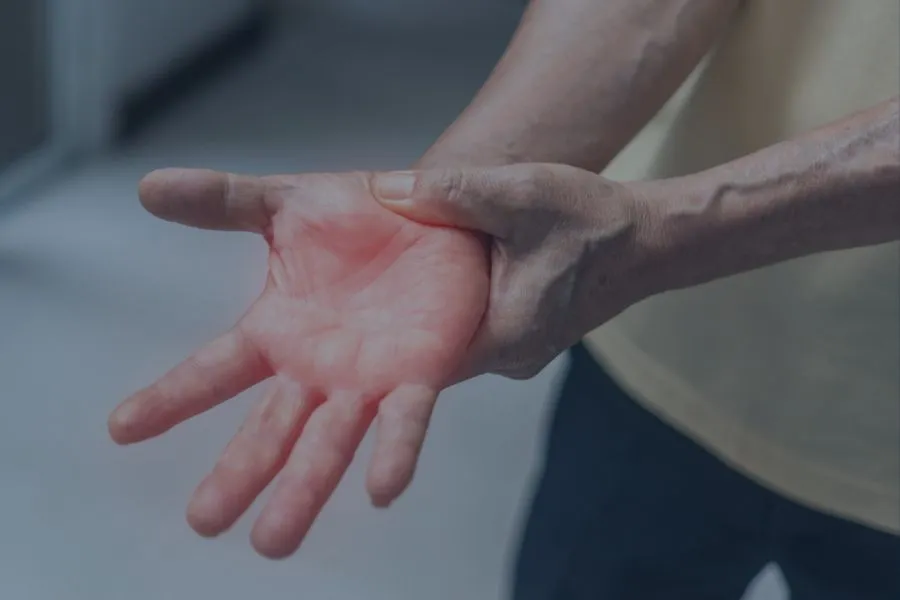
Carpal tunnel syndrome is a common example. It occurs when the median nerve becomes compressed at the wrist, potentially causing numbness, tingling, weakness, or pain in the hand.
Other mononeuropathies may develop after an injury or prolonged pressure on a specific nerve.
Polyneuropathy
Polyneuropathy involves damage to many peripheral nerves.
Symptoms often begin in both feet and gradually move upward. The hands may become affected later.
This pattern is commonly associated with diabetes, nutritional deficiencies, kidney disease, toxin exposure, and other conditions that affect the body more broadly.
Sensory Neuropathy
Sensory neuropathy mainly affects the nerves responsible for sensation.
Symptoms may include:
- Numbness
- Burning
- Tingling
- Sharp pain
- Increased sensitivity
- Reduced awareness of temperature or injury
Sensory changes can also affect balance because the brain receives less reliable information from the feet and legs.
Motor Neuropathy
Motor neuropathy mainly affects the nerves that control muscles.
It may cause:
- Weakness
- Cramping
- Difficulty walking
- Reduced coordination
- Loss of muscle mass
The specific limitations depend on which motor nerves are damaged.
Autonomic Neuropathy
Autonomic neuropathy affects nerves that control involuntary body functions.
It may interfere with:
- Blood pressure
- Digestion
- Sweating
- Bladder control
- Heart rate
- Sexual function
Some people experience only one form of neuropathy. Others have a combination of sensory, motor, and autonomic nerve damage.
How Is Peripheral Neuropathy Diagnosed?
Diagnosing peripheral neuropathy usually involves more than one test. Because nerve symptoms can have many possible causes, the evaluation often begins with a detailed medical history and neurological examination.
The goal is to determine which nerves may be affected, how severe the symptoms are, and whether an underlying condition is contributing to the problem.
Medical History
A doctor will usually ask detailed questions about the symptoms and overall health.
Important details may include:
- When the symptoms began
- Where the symptoms occur
- Whether they are constant or intermittent
- Whether they are getting worse
- Existing medical conditions
- Current and past medication use
- Alcohol use
- Family history of nerve disorders
The pattern of symptoms can provide useful clues. For example, symptoms affecting both feet may suggest a different cause than symptoms limited to one hand or one side of the body.
Physical and Neurological Examination
A physical and neurological examination helps evaluate how well the nerves and muscles are functioning.
The doctor may check:
- Reflexes
- Muscle strength
- Sensation
- Coordination
- Balance
- Walking pattern
They may also test whether the patient can feel light touch, vibration, pressure, heat, or cold in different parts of the body.
Changes in reflexes, weakness, or reduced sensation may help identify the location and type of nerve damage.
Blood and Urine Testing
Laboratory testing may help identify medical conditions associated with peripheral neuropathy.
Testing may look for:
- Diabetes
- Vitamin deficiencies
- Thyroid problems
- Kidney disease
- Liver disease
- Autoimmune conditions
- Infection
The exact tests depend on the patient’s symptoms, medical history, and risk factors.
Nerve Conduction Studies and Electromyography
Nerve conduction studies evaluate how quickly and effectively electrical signals move through the nerves.
During the test, small electrical impulses are used to measure the nerve’s response. Slower or weaker signals may indicate nerve damage.
Electromyography, also known as EMG, evaluates how muscles respond to nerve signals. A thin needle electrode may be placed into selected muscles to measure electrical activity during rest and movement.
These tests may help determine whether symptoms are caused by a problem involving the nerves, muscles, or both.
Imaging or Additional Testing
Imaging may be recommended when nerve compression, a herniated disc, spinal stenosis, or another structural problem is suspected.
Additional testing may include:
- MRI or other imaging
- Skin biopsy
- Nerve biopsy in select cases
- Genetic testing when an inherited condition is suspected
Not every patient needs every test. Diagnostic testing should be selected according to the symptoms, examination findings, and suspected cause.
Can Peripheral Neuropathy Be Treated?
Peripheral neuropathy can often be treated or managed, but the best approach depends on the cause.
Treatment may be influenced by:
- The underlying medical condition
- Which nerves are affected
- How long symptoms have been present
- The severity of the nerve damage
- The patient’s overall health
- How much the symptoms affect daily life
Some causes may improve when the underlying problem is corrected. For example, neuropathy related to a vitamin deficiency may improve after the deficiency is treated.
Other forms of neuropathy may require long-term symptom management. Not all nerve damage can be completely reversed, especially when it has been present for a long time.
The goal of treatment may be to reduce pain, improve function, prevent additional nerve damage, and help the patient remain active and independent.
How Is Peripheral Neuropathy Managed?
Peripheral neuropathy treatment is usually individualized. A plan may combine treatment for the underlying cause with therapies that address pain, weakness, balance problems, and other symptoms.
Treating the Underlying Cause
When possible, treatment begins by addressing the condition contributing to the nerve damage.
Examples may include:
- Improving diabetes management
- Correcting a vitamin deficiency
- Addressing nerve compression
- Treating an infection
- Managing an autoimmune condition
- Reviewing medications with the prescribing physician
Treating the cause may help slow further nerve damage and, in some situations, allow symptoms to improve.
Medication Management
Medication may be used to reduce burning, shooting, electric, or other nerve-related pain.
The right medication depends on the patient’s symptoms, medical history, current medications, and risk of side effects.
Medication plans should be individualized and monitored over time. Patients should not change or stop prescribed medication without guidance from the prescribing physician.
Nerve Blocks and Targeted Injections
Some patients may benefit from a nerve block or targeted injection when a specific nerve or pain source can be identified.
These procedures may help reduce pain signals, calm inflammation, or provide diagnostic information about where the pain is coming from.
Nerve blocks are not appropriate for every form of peripheral neuropathy. Their usefulness depends on the location, cause, and pattern of the symptoms.
Peripheral Nerve Stimulation
Peripheral nerve stimulation may be considered for certain cases of persistent nerve pain that have not improved enough with more conservative care.
This treatment uses a small device to deliver mild electrical stimulation near a targeted peripheral nerve. The stimulation may help interrupt or change the pain signals traveling to the brain.
The Center for Regenerative Therapy and Pain Management offers advanced options such as Curonix peripheral nerve stimulation and SPRINT peripheral nerve stimulation for appropriate candidates.
Physical Therapy and Movement
Physical therapy may help patients maintain strength, stability, and independence.
A program may focus on:
- Strength
- Balance
- Coordination
- Mobility
- Walking mechanics
- Fall prevention
Movement can be especially important when neuropathy causes weakness or reduced awareness of foot position.
Exercises should be selected according to the patient’s abilities and safety needs.
Daily Foot and Skin Care
Daily foot and skin care is especially important when sensation is reduced.
Patients may not immediately notice a cut, blister, burn, or pressure sore if the affected area is numb.
Helpful precautions include:
- Checking the feet regularly
- Wearing properly fitting shoes
- Protecting numb areas from heat
- Avoiding walking barefoot
- Addressing cuts or sores promptly
- Keeping the skin clean and dry
People with diabetes or significant loss of sensation may need additional foot care guidance from their medical team.
Lifestyle and Medical Management
Healthy daily habits may support nerve health and help manage contributing conditions.
These may include:
- Eating a balanced diet
- Staying appropriately active
- Limiting alcohol
- Managing blood sugar
- Following treatment for existing medical conditions
- Keeping regular medical appointments
Lifestyle changes should support medical care, not replace it.
When Should You See a Doctor?
Occasional tingling after sitting in an awkward position is usually different from ongoing nerve symptoms.
A medical evaluation is recommended when numbness, tingling, burning, or weakness:
- Persists or worsens
- Affects walking or balance
- Causes muscle weakness
- Interrupts sleep
- Interferes with work or daily activities
- Develops after starting a medication
- Occurs alongside diabetes or another condition associated with nerve damage
- Makes it difficult to feel wounds or injuries
Early evaluation may help identify a treatable cause and reduce the risk of further complications.
When Is Peripheral Neuropathy an Emergency?
Peripheral neuropathy often develops gradually. Sudden neurological symptoms may indicate a different and more urgent problem.
Seek immediate medical attention for:
- Sudden weakness
- Rapidly progressing numbness
- Loss of bladder or bowel control
- Difficulty breathing
- Facial drooping
- Slurred speech
- Sudden confusion
- Severe symptoms affecting one side of the body
These changes may be signs of a stroke, spinal cord compression, or another neurological emergency.
Gradual tingling or numbness should still be evaluated, but sudden or rapidly worsening symptoms require urgent care.
Frequently Asked Questions About Peripheral Neuropathy
Is Peripheral Neuropathy Permanent?
Peripheral neuropathy is not always permanent.
The outlook depends on the cause, how long the nerve has been damaged, the severity of the damage, and whether the underlying condition can be treated.
Some people experience significant improvement. Others may continue to have symptoms that require long-term management.
Can Peripheral Neuropathy Go Away?
Some cases can improve or resolve when the cause is identified and treated.
For example, neuropathy related to a nutritional deficiency, medication, or temporary nerve compression may improve after the contributing issue is addressed.
Neuropathy caused by long-term diabetes, inherited conditions, or severe nerve damage may be more difficult to reverse. Treatment may instead focus on controlling symptoms and preventing further damage.
What Is the Most Common Cause of Peripheral Neuropathy?
Diabetes is one of the most common causes of peripheral neuropathy.
However, nerve damage may also result from injuries, medications, nutritional deficiencies, infections, autoimmune diseases, kidney problems, alcohol use, or toxin exposure.
Some cases have no clearly identified cause.
Does Peripheral Neuropathy Always Start in the Feet?
No. Peripheral neuropathy commonly begins in the toes or feet, but it may also begin in the fingers or hands.
Some forms affect one specific nerve in another part of the body. The starting point depends on the type and cause of the nerve damage.
Can Peripheral Neuropathy Affect Balance?
Yes. Peripheral neuropathy can affect balance in several ways.
Reduced sensation may make it difficult to feel where the feet are positioned. Muscle weakness may also make walking less stable.
Together, these changes can increase the risk of tripping or falling.
Is Peripheral Neuropathy the Same as Sciatica?
No. Peripheral neuropathy and sciatica are different conditions.
Peripheral neuropathy is a broad term for damage affecting nerves outside the brain and spinal cord.
Sciatica usually refers to pain, numbness, tingling, or weakness caused by irritation or compression of the sciatic nerve or the spinal nerve roots that form it.
The symptoms may feel similar, but the causes and treatment plans can differ.
Can a Pain Management Doctor Help With Peripheral Neuropathy?
A pain management doctor may help evaluate persistent nerve pain and identify factors contributing to the symptoms.
Depending on the cause, a pain management physician may:
- Review symptoms and diagnostic testing
- Help identify the likely pain source
- Coordinate care with other specialists
- Manage nerve-related pain
- Recommend targeted procedures
- Develop an individualized treatment plan
The right approach depends on the patient’s diagnosis, health, and treatment goals.
Conclusion
Peripheral neuropathy develops when nerves outside the brain and spinal cord become damaged. It may cause burning, tingling, numbness, weakness, poor coordination, or balance problems.
These symptoms should not be ignored, especially when they persist, worsen, or interfere with daily life. Identifying the cause is an important part of choosing the right treatment and preventing additional complications.
Although not every form of nerve damage can be reversed, an individualized treatment plan may help reduce symptoms, improve function, and support a better quality of life.
Contact The Center for Regenerative Therapy and Pain Management to discuss pain treatments in New Jersey for ongoing nerve-related pain.