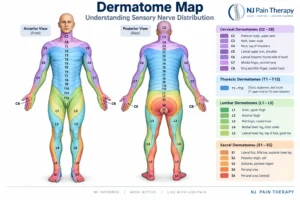

When it comes to pain relief for sciatica that actually works, it all depends on the root cause and how long you’ve been dealing with it. Sciatica occurs when the sciatic nerve—the largest nerve in the body—is compressed or irritated. This irritation can cause sharp, burning pain that radiates from the lower back down through the hip, buttock, and leg.
The right treatment varies for each person. Some cases stem from mild inflammation that responds well to rest and stretching, while others are caused by structural issues like herniated discs or spinal stenosis that may require targeted injections or interventional care.
In this guide, we’ll break down the most effective non-surgical and interventional treatments used in modern pain management to help patients find real, lasting relief.
Understanding Sciatica Pain
What Causes Sciatica
Sciatica isn’t a condition—it’s a symptom of something deeper. The most common culprits include herniated discs, bone spurs, or spinal stenosis, all of which can pinch or compress the sciatic nerve. Sometimes, tight muscles deep in the buttock, such as in piriformis syndrome, can trap the nerve and cause similar pain.
Several risk factors increase your chances of developing sciatica, including age-related disc wear, obesity, prolonged sitting, and diabetes, which can affect nerve health. Even poor posture or repetitive lifting can play a role over time.
Symptoms and Diagnosis
Sciatica symptoms can vary from a dull ache to sharp, electric-like pain that shoots down one leg. Common signs include:
- Numbness or tingling in the leg or foot
- Muscle weakness when walking or standing
- Pain that worsens with prolonged sitting or sudden movement
To confirm the cause, pain specialists often recommend MRI or X-ray imaging to visualize the spine and pinpoint the nerve compression. This ensures that treatment targets the true source of pain—not just the symptoms.
Non-Surgical Sciatica Pain Treatments
Physical Therapy and Stretching
Physical therapy is often the first-line treatment for sciatica. Guided exercises and stretches help strengthen the core and back muscles, improving stability and taking pressure off the sciatic nerve. Movement therapy can also restore flexibility, reduce inflammation, and prevent flare-ups in the future.
A skilled physical therapist tailors each routine to your unique condition—focusing on posture correction, gentle stretching, and controlled strengthening exercises that build long-term support for the spine.
Anti-Inflammatory Medications
Over-the-counter NSAIDs like ibuprofen or naproxen can temporarily ease inflammation around the nerve, offering short-term relief. In more severe cases, doctors may prescribe oral steroids to calm swelling and reduce pressure on the nerve root.
However, these medications are not long-term solutions. Prolonged use can cause side effects such as stomach irritation or increased blood pressure. They work best when used as part of a broader treatment plan that includes therapy or targeted injections.
Heat and Cold Therapy
Both heat and cold can play a helpful role in managing sciatica discomfort—when used correctly.
- Cold therapy reduces inflammation and numbs sharp pain during the early or acute phase of a flare-up.
- Heat therapy helps relax tight muscles and improves blood flow once inflammation subsides.
Alternating between the two can provide quick, temporary relief. While these methods don’t fix the root problem, they’re excellent tools for short-term comfort while pursuing more lasting solutions like physical therapy or interventional pain treatments.
Advanced Interventional Pain Treatments
When conservative treatments like rest and physical therapy aren’t enough, interventional pain procedures can provide targeted, lasting relief. These treatments address the underlying nerve inflammation that causes sciatica instead of just masking the pain.
Epidural Steroid Injections
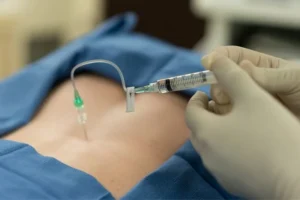
Epidural steroid injections deliver a powerful anti-inflammatory corticosteroid directly to the irritated nerve root. By reducing swelling around the nerve, these injections can ease pain for weeks or even months, allowing patients to move and function more comfortably.
Most specialists recommend combining injections with physical therapy or a structured exercise plan to strengthen the back and prevent future flare-ups. The goal is not only pain relief but long-term recovery and mobility.
Nerve Blocks
A nerve block is a targeted injection that uses a local anesthetic to interrupt pain signals traveling along a specific nerve path. It provides quick relief while helping doctors identify exactly which nerve is responsible for the pain.
Because of this, nerve blocks can serve both diagnostic and therapeutic purposes. Some patients experience temporary relief lasting hours or days, while others benefit from extended comfort depending on the medication used and the severity of inflammation.
Radiofrequency Ablation (RFA)
Radiofrequency ablation (RFA) is a minimally invasive procedure that uses heat generated by radio waves to disrupt the nerves transmitting pain signals. By carefully targeting these nerves, RFA can offer long-lasting relief—often six to twelve months or more.
It’s especially effective for chronic or recurring sciatica pain when inflammation returns after other treatments. Because it doesn’t require surgery or significant downtime, it’s a preferred option for patients seeking durable relief without invasive intervention.
Regenerative Medicine Options
Regenerative treatments work by helping the body heal itself—using biological materials to repair damaged tissue and calm inflammation naturally. These options are gaining popularity for patients who want to avoid steroids or rely on natural healing processes.
Platelet-Rich Plasma (PRP) Injections
PRP therapy involves drawing a small sample of your blood, concentrating the platelets, and injecting them into the affected area. Platelets contain growth factors that stimulate tissue repair and reduce inflammation around the sciatic nerve.
Patients often choose PRP because it’s non-surgical, drug-free, and uses the body’s own healing mechanisms. It’s ideal for people looking for a natural approach to managing sciatic pain and supporting long-term recovery.
Hyaluronic Acid or Biologic Injections
Hyaluronic acid and other biologic injections help cushion and lubricate spinal joints, reducing friction and pain around areas of nerve compression. These injections can also improve flexibility and slow down degeneration in the joints or discs.
By restoring smooth motion and protecting surrounding tissues, biologic injections can significantly enhance comfort and mobility for those dealing with chronic back or leg pain from sciatica.
Choosing the Right Treatment Plan
The best treatment for sciatica depends on several factors: the cause of nerve compression, severity of pain, and how your body responds to previous therapies. Every case is unique, and what works for one patient might not work for another.
Working with an experienced interventional pain specialist ensures your treatment is personalized to your specific condition and goals. A well-rounded plan may combine injections, therapy, and regenerative techniques to achieve lasting results.
Contact The Center for Regenerative Therapy & Pain Management today to explore non-surgical relief options tailored to your needs and get back to living pain-free.
FAQs About Sciatica Pain Treatments
How long does sciatica pain usually last?
Most mild cases of sciatica resolve within a few weeks, especially with early treatment. Chronic or severe cases may require ongoing management with therapy or injections.
Are steroid injections safe for sciatica?
Yes. When administered by a trained medical professional, epidural steroid injections are safe and effective. They’re typically spaced out to prevent side effects from overuse.
Can sciatica heal without surgery?
Absolutely. The majority of patients find relief through non-surgical treatments such as physical therapy, medications, and targeted injections.
What’s the fastest way to relieve sciatic nerve pain?
For quick relief, a combination of anti-inflammatories, gentle rest, and epidural steroid injections works best. Pairing this with physical therapy helps maintain long-term results.