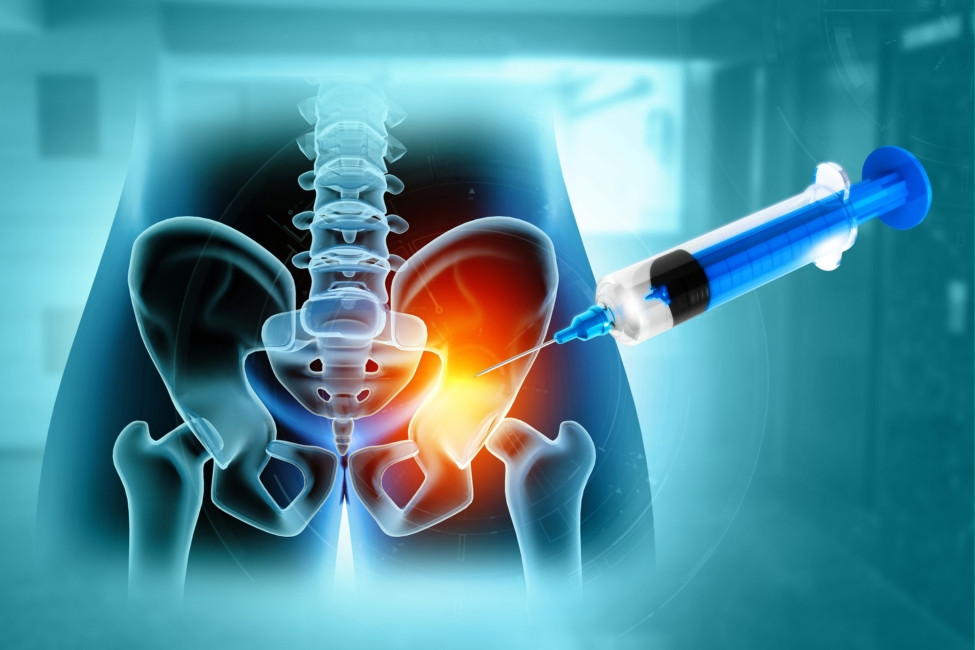
PRP injections for hip pain are a regenerative treatment used to help reduce inflammation, improve healing, and restore movement without surgery. Hip pain can come from arthritis, labral tears, bursitis, tendon injuries, or overuse, and in many cases the problem involves damaged or irritated tissue that does not heal easily on its own.
Many patients want relief without surgery or long-term medication. Platelet-rich plasma (PRP) therapy is a treatment that uses your own blood to support the body’s natural healing process. It is commonly used in pain management and orthopedic care to treat joint pain, tendon injuries, and early arthritis. In this guide, we will explain how PRP works, when it is used for hip pain, what the procedure involves, and who may be a good candidate.
If you are dealing with chronic hip pain, our New Jersey pain management clinic offers PRP injections and other regenerative treatments designed to reduce pain without surgery.
What is PRP Therapy?
Platelet-rich plasma (PRP) therapy is a regenerative treatment that uses a concentrated portion of your own blood to help injured tissue heal. Blood contains red cells, white cells, plasma, and platelets. Platelets play an important role in healing because they release growth factors that help repair damaged tissue.
PRP injections are made by taking a small sample of your blood, concentrating the platelets, and injecting them into the area causing pain. Because the treatment uses your own cells, the risk of allergic reaction is very low.
What platelets do in the body
Platelets help stop bleeding when you are injured, but they also release proteins called growth factors. These growth factors help repair tissue, reduce inflammation, and support the healing process. When platelets are concentrated and placed directly into an injured area, the body may respond by increasing healing activity.
How PRP is made
To create PRP, a small amount of blood is drawn from your arm. The blood is placed into a centrifuge, which spins the sample to separate the platelets from the other blood components. This creates a concentrated solution with a higher number of platelets than normal blood.
The platelet-rich plasma is then prepared for injection into the hip or surrounding tissue.
How PRP helps reduce hip pain
PRP does not numb pain like a steroid injection. Instead, it works by improving the environment around the injured tissue. The growth factors in PRP may help reduce inflammation, support tissue repair, and improve joint function over time. This makes PRP a common option for patients who want a treatment that focuses on healing rather than temporary pain relief.
Why PRP Is Used for Hip Pain
Hip pain often develops when tissue becomes inflamed, worn down, or injured. In many cases, the body does not fully heal on its own, especially in joints that are used every day. PRP is used because it may help stimulate repair in areas where healing has slowed or stopped.
PRP injections are often considered when pain comes from arthritis, tendon injury, ligament strain, bursitis, or cartilage damage.
Hip arthritis
Arthritis causes the cartilage inside the hip joint to wear down. This leads to inflammation, stiffness, and pain with movement. PRP may help reduce inflammation inside the joint and improve function in some patients with early or moderate arthritis.
Tendon and ligament injuries
Tendons and ligaments around the hip can become irritated from overuse, sports injuries, or aging. These tissues have limited blood supply, which makes healing slower. PRP is often used to help stimulate repair in these areas.
Bursitis
Hip bursitis occurs when the fluid-filled sacs around the joint become inflamed. This can cause pain on the outside of the hip, especially with walking or lying on one side. PRP may help reduce inflammation when other treatments have not worked.
Labral tears
The labrum is a ring of cartilage that helps stabilize the hip joint. Tears in the labrum can cause pain, clicking, or a feeling of instability. PRP may be used to help reduce inflammation and support healing when surgery is not immediately needed.
Muscle strain
Muscle injuries around the hip can cause ongoing pain, tightness, or weakness. When healing is slow, PRP injections may help stimulate tissue repair and improve recovery.
How PRP Injections Work
PRP injections are done as an outpatient procedure and usually take less than an hour. The goal is to place concentrated platelets directly into the injured tissue to help the body heal.
Blood draw
The procedure starts with a small blood draw, similar to a routine lab test. Only a small amount of blood is needed to prepare the injection.
Centrifuge process
The blood sample is placed in a centrifuge, which spins the blood at high speed. This separates the platelets from other blood components and creates a concentrated platelet-rich plasma solution.
Injection with ultrasound
The PRP is injected into the hip using imaging guidance, usually ultrasound or fluoroscopy. Imaging helps the doctor place the injection exactly where the injury or inflammation is located, which improves accuracy and results.
Healing response after injection
After the injection, the platelets release growth factors that may help reduce inflammation and stimulate tissue repair. Improvement is usually gradual rather than immediate, because the goal is healing, not temporary numbing.
Who is a Candidate for PRP for Hip Pain?
PRP injections may be recommended for patients who have ongoing hip pain that has not improved with basic treatment. It is often used for people who want to avoid surgery or who are looking for a more natural treatment option.
PRP may be considered for chronic pain, tendon injuries, early arthritis, or joint problems that continue despite therapy or medication.
When PRP may help
PRP may be helpful for patients with mild to moderate arthritis, tendon irritation, bursitis, or labral injuries. It is often used when physical therapy, rest, or medication has not provided enough relief.
When PRP may not help
PRP may be less effective for severe joint damage, advanced arthritis, or major structural problems. In these cases, other treatments may be needed.
When surgery may be needed
If pain is caused by severe cartilage loss, large tears, or major joint damage, surgery may be the best option. PRP can sometimes delay surgery, but it cannot correct every condition.
What to Expect During a PRP Injection
PRP injections are usually done in an office or procedure room and do not require a hospital stay. Most patients go home the same day.
Before the procedure
Before the injection, your doctor will review your symptoms, imaging, and medical history. You may be asked to stop certain medications, especially anti-inflammatory drugs, before the procedure.
During the injection
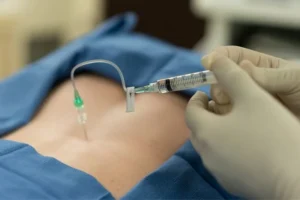
After the blood sample is prepared, the skin is cleaned and numbed. Imaging guidance such as ultrasound or fluoroscopy is used to make sure the injection is placed in the correct location. The PRP is then injected into the hip joint or surrounding tissue.
After the injection
Some soreness is normal after the procedure. This usually improves within a few days. Most patients can walk the same day, but activity may be limited for a short period.
Recovery timeline
PRP does not work instantly. Improvement may begin after a few weeks as the healing response develops. Some patients continue to improve over several months.
Activity restrictions
Patients are usually advised to avoid heavy activity for a short time after the injection. Physical therapy or guided exercise may be recommended to help the hip heal properly.
How Long PRP Takes to Work
PRP injections for hip pain do not provide instant relief the way numbing injections do. PRP works by stimulating the body’s natural healing response, which takes time. Most patients begin to notice improvement over several weeks, and the full effect may take a few months depending on the condition being treated.
Because PRP focuses on repair rather than temporary pain control, results often develop gradually as inflammation decreases and tissue begins to heal.
Short term vs long term results
Some patients feel mild improvement within the first few weeks, but the main benefit of PRP usually happens later. As the healing response continues, pain may decrease and movement may improve over time.
Short-term soreness after the injection is normal and does not mean the treatment failed. The goal of PRP is long-term improvement, not immediate numbing.
How many injections needed
Some patients improve after one injection, while others may need a series of treatments. The number of injections depends on the cause of hip pain, the severity of the injury, and how the body responds.
Conditions such as tendon injuries or early arthritis may respond well to one or two injections, while more chronic problems may require additional treatment.
When repeat treatment is done
Repeat PRP injections may be recommended if pain returns or if healing is incomplete. Because PRP uses your own blood, repeat treatment is often safe when done under medical supervision. Your doctor will decide if additional injections are appropriate based on your progress.
Benefits of PRP for Hip Pain
PRP is often chosen because it offers a non-surgical approach to treating hip pain. Instead of only masking symptoms, PRP may help the body repair damaged tissue and reduce inflammation.
Many patients consider PRP when they want to avoid surgery or when other treatments have not provided enough relief.
Compared to steroid injections
Steroid injections can reduce inflammation quickly, but the effect may wear off over time. Repeated steroid use may also weaken tissue in some cases. PRP works differently by supporting healing rather than only reducing inflammation, which may provide longer-lasting improvement for some patients.
Compared to surgery
Surgery may be necessary for severe joint damage, but it also requires recovery time and carries more risk. PRP is less invasive and may help delay or avoid surgery in certain cases, especially for early arthritis or tendon injuries.
Compared to medication
Pain medication may help control symptoms but does not repair tissue. PRP is often used when patients want a treatment that focuses on healing rather than long-term use of medication.
Risks and Side Effects of PRP Injections
PRP injections are generally considered safe because the treatment uses your own blood. This means the risk of allergic reaction is very low compared to other injectable medications. However, like any medical procedure, there are still possible side effects.
Most side effects are mild and temporary, especially when the injection is done using imaging guidance.
Common side effects
Common side effects may include:
- Temporary soreness at the injection site
- Mild swelling or stiffness
- Bruising near the injection area
- Increased discomfort for a few days after the procedure
These symptoms usually improve as the healing response begins.
Rare complications
Serious complications are uncommon but can include:
- Infection
- Bleeding
- Nerve irritation
- Tissue injury
These risks are low when the procedure is performed by an experienced specialist using proper technique.
How risks are minimized
PRP injections are typically done using ultrasound or fluoroscopy to guide the needle to the correct location. Careful preparation, sterile technique, and proper patient evaluation help reduce the risk of complications.
Because the injection uses your own blood, the chance of rejection or allergic reaction is very low.
Other Treatments for Hip Pain Besides PRP
PRP is one option for treating hip pain, but it is not the only one. The best treatment depends on the cause of pain, how long symptoms have lasted, and how the body responds to previous care.
Pain management often involves a combination of treatments to improve function and reduce inflammation.
Common options may include:
- Nerve block injections
- Radiofrequency ablation
- Physical therapy
- Anti-inflammatory or nerve pain medication
- Other regenerative injections
- Surgery in more severe cases
When PRP is not enough
PRP may not be effective for severe arthritis, large tears, or major structural problems in the hip. In these cases, other procedures may be needed to control pain or restore movement.
Combining treatments
Many patients get the best results when PRP is combined with other treatments. Physical therapy, guided exercise, or additional injections may help support healing and improve long-term results.
Long term pain management
Chronic hip pain often requires ongoing care. A pain management specialist can create a treatment plan that may include injections, therapy, and lifestyle changes to keep symptoms under control and help avoid surgery when possible.
PRP Injections for Hip Pain in New Jersey
PRP injections for hip pain are commonly used as part of interventional pain management and regenerative medicine to help reduce inflammation and support healing without surgery. These injections are typically performed using ultrasound or fluoroscopy guidance to ensure accurate placement of the platelet-rich plasma into the joint or surrounding tissue.
Treatment plans are personalized based on the cause of hip pain, the severity of the condition, and the patient’s goals. In many cases, PRP is combined with other treatments to provide longer-lasting relief and improve mobility.
If hip pain is limiting your movement or quality of life, our New Jersey pain management team offers PRP injections and other advanced treatments to help you get relief and stay active.
Frequently Asked Questions About PRP for Hip Pain
What is PRP for hip pain?
PRP is a treatment that uses concentrated platelets from your own blood to help reduce inflammation and support healing in the hip joint or surrounding tissue.
How long does PRP last for hip pain?
Results can last for months or longer depending on the condition being treated, the severity of the problem, and how the body responds.
Are PRP injections safe?
Yes. Because PRP uses your own blood, the risk of allergic reaction is very low, and the procedure is generally considered safe when performed by a trained specialist.
Does PRP help arthritis in the hip?
PRP may help reduce inflammation and improve function in patients with mild to moderate hip arthritis, but it may not be effective for advanced joint damage.
How many PRP injections do you need?
Some patients need only one injection, while others may need a series of treatments depending on the severity of the condition.
Is PRP better than cortisone?
PRP and cortisone work differently. Cortisone reduces inflammation quickly, while PRP aims to support healing over time. The best option depends on the condition being treated.
Does PRP hurt?
Most patients feel only mild discomfort during the injection. Some soreness afterward is normal and usually improves within a few days.
Who should not get PRP?
PRP may not be recommended for patients with certain blood disorders, infections, or severe joint damage. A doctor can determine if the treatment is appropriate based on your medical history.