Procedures can feel stressful, especially when you are not sure what to expect before, during, or after the injection. That hesitation is completely normal, and it is something we see often in patients exploring pain treatment in New Jersey.
The good news is that a steroid injection is usually a straightforward procedure, and a little preparation can make a big difference. Knowing what to expect and how to prepare can help reduce complications and improve results. If you are considering pain treatment in New Jersey, speaking with a specialist before your procedure can help you move forward with confidence.
What is a Steroid Injection? Quick Overview
A steroid injection is a treatment used to help reduce inflammation and pain in a specific area of the body. Instead of treating the whole body, the medication is placed closer to the irritated joint, tendon, nerve, or spine-related source of pain.
Steroid injections may be used for conditions such as:
- Arthritis
- Tendonitis
- Bursitis
- Nerve-related pain
- Spine-related inflammation
- Joint pain
Common injection areas include the spine, shoulder, knee, and hip.
It is important to understand that a steroid injection is not always an instant fix. Some people feel temporary relief right away if a numbing medicine is used, but the steroid itself may take several days to fully kick in. When it works, relief can last for weeks or months, depending on the condition and how your body responds.
Why Preparation Matters Before a Steroid Injection
Preparing properly helps make the procedure safer and more effective. It also helps your provider avoid preventable issues, such as bleeding risk, medication conflicts, infection concerns, or last-minute cancellation.
Preparation also gives you a chance to understand the goal of the injection. Are you trying to reduce inflammation? Calm nerve pain? Improve movement? Make physical therapy easier? The clearer the plan is, the easier it is to know whether the injection worked.
A few simple steps before the procedure can reduce stress and help you feel more confident walking in.
What to Do Before a Steroid Injection
Talk to Your Provider About Medications
Before your injection, tell your provider about every medication you take. This includes prescription medications, over-the-counter drugs, vitamins, and supplements.
This is especially important if you take:
- Blood thinners
- Aspirin
- Warfarin
- NSAIDs like ibuprofen or naproxen
- Fish oil or herbal supplements
Do not stop any medication on your own. Your provider will tell you what to continue, what to pause, and when it is safe to restart.
Share Your Full Health History
Your provider should know about any health issues that may affect the procedure or recovery.
Tell them if you have:
- Medication allergies
- Latex allergies
- Lidocaine or anesthetic allergies
- A current infection
- A history of bleeding disorders
- Diabetes
- Immune system concerns
This helps your care team plan safely and avoid unnecessary risks. Diabetes is especially important because steroid injections may temporarily raise blood sugar levels.
Understand the Procedure
Before the injection, make sure you understand what is being injected, where it is going, and why that area is being treated.
Good questions include:
- What type of steroid injection is this?
- What condition are we treating?
- What are the risks and benefits?
- Are there other options?
- Will ultrasound or X-ray guidance be used?
The goal is not to memorize every medical detail. The goal is to feel clear on why this procedure makes sense for your specific pain.
Plan Your Transportation
Depending on the type of injection, the location being treated, and whether sedation or numbing medication is used, you may need someone to drive you home.
Even if the procedure is quick, numbness, weakness, or medication effects can make driving unsafe afterward. Ask your provider ahead of time so you are not scrambling on the day of the appointment.
Follow Eating and Prep Instructions
Your provider may give specific instructions about eating or drinking before the procedure. Follow those directions carefully.
You may also be asked to shower before coming in and avoid applying lotions, perfumes, deodorants, or creams near the treatment area. These small steps help keep the area clean and ready for the injection.
What Happens on the Day of the Injection
At the Clinic or Procedure Center
When you arrive, bring your ID, insurance card, and any paperwork your office requested. You may review the consent form, discuss final questions, and confirm the injection site.
You will be positioned in a way that gives the provider safe access to the treatment area. This may mean sitting, lying on your back, lying on your stomach, or turning slightly depending on where the injection is being placed.
During the Injection
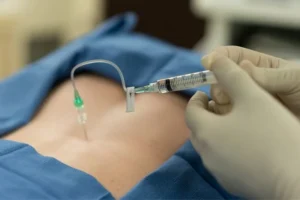
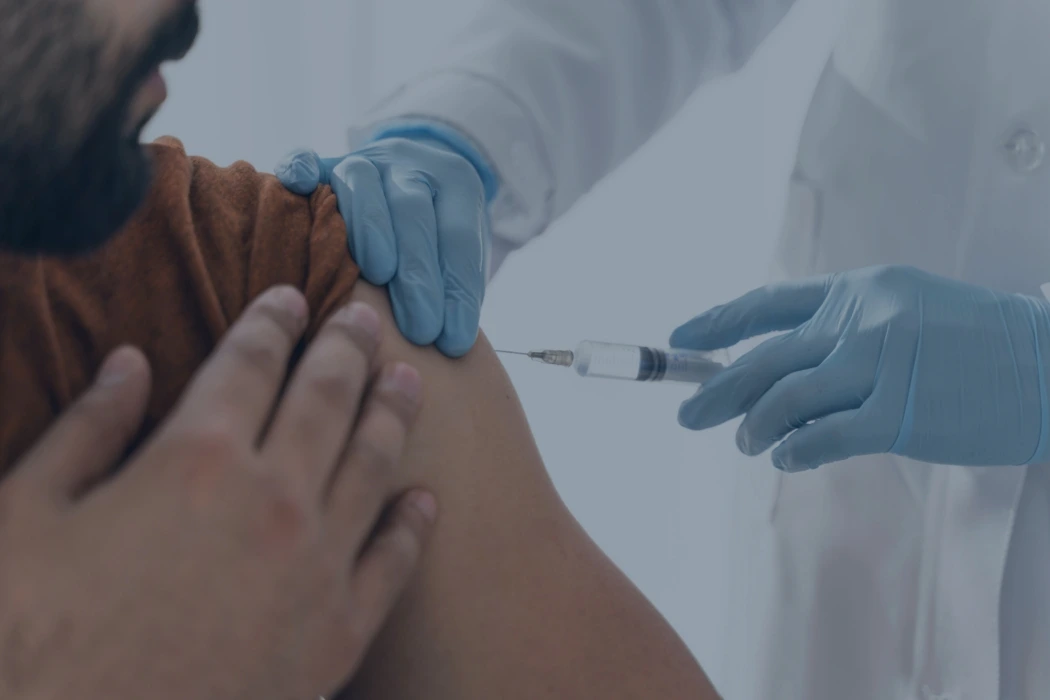
The area will be cleaned, and a numbing medication may be used to reduce discomfort. Your provider may use imaging guidance, such as ultrasound or X-ray, to help place the injection accurately.
You may feel pressure during the injection. That is common. Sharp or severe pain is not expected, so tell your provider if something feels wrong.
The actual injection often takes only a few minutes. In many cases, the full procedure takes about 5 to 15 minutes.
Right After the Injection
After the injection, you may be monitored briefly before going home. This gives the care team time to make sure you are feeling okay and not having an immediate reaction.
Most patients go home within about an hour, depending on the type of injection and whether sedation was used.
What to Expect After a Steroid Injection
Immediate Effects
If numbing medication is used, you may feel relief quickly. This relief is temporary and may wear off within a few hours.
Once the numbing medication fades, some soreness is normal. The injection site may feel tender for 24 to 48 hours.
When the Steroid Kicks In
Steroids usually take time to work. Many patients notice improvement within 2 to 10 days.
It is also possible for pain to briefly feel worse before it improves. This can happen as the area reacts to the injection, but it should not continue getting worse.
How Long Results Last
Results vary from person to person. Some people get relief for days, while others feel better for weeks or months.
How long relief lasts depends on several factors, including:
- The condition being treated
- How irritated the area is
- Your overall health
- Your activity level
- Whether you follow aftercare instructions
- Whether the injection is paired with rehab or other treatment
Aftercare Tips for Better Recovery
Manage Soreness Properly
If the area feels sore, ice may help. A simple approach is 10 minutes on, then 10 minutes off.
Avoid heat for the first 24 hours unless your provider gives different instructions. Heat may increase irritation early on.
Keep the Area Clean
Keep the bandage on for about 24 hours or as directed. The area should stay clean and dry.
Avoid soaking the injection site in a bath, pool, or hot tub for at least 24 hours. This helps reduce infection risk.
Follow Activity Guidelines
Plan to take it easy at first. You may be told to avoid strenuous exercise, heavy lifting, or high-impact activity for a short period after the injection.
That does not always mean complete bed rest. In many cases, light movement is fine. The key is not overloading the treated area too soon.
Monitor Blood Sugar If Diabetic
If you have diabetes, ask your provider how often to check your blood sugar after the injection. Steroids may cause temporary blood sugar increases.
Many patients are told to monitor levels more closely for 2 to 3 days after the injection. Contact your diabetes provider if your levels are higher than expected or difficult to control.
What to Avoid After a Steroid Injection
After your injection, avoid pushing your body too hard too soon. Even if you feel better right away, the numbing medication may be masking pain temporarily.
Avoid:
- Intense exercise immediately after the procedure
- Heavy lifting too soon
- Applying heat during the first 24 hours
- Soaking the injection site
- Ignoring unusual symptoms
- Skipping your follow-up plan
The goal is to give the injection the best chance to work without irritating the treated area.
When to Call Your Doctor
Most soreness after a steroid injection is mild and temporary. Still, you should know when to call your provider.
Call your doctor if you notice:
- Fever or chills
- Increasing redness
- Swelling or warmth around the injection site
- Severe or worsening pain
- Signs of an allergic reaction
- New weakness, numbness, or unusual symptoms
- A feeling that something does not seem right
Do not wait if symptoms feel concerning. It is always better to ask than to ignore a possible issue.
Common Mistakes Patients Make
One common mistake is not telling the provider about medications, supplements, or health conditions. Even something that seems minor can matter before a procedure.
Another mistake is driving yourself when your provider recommends having someone take you home. Sedation, numbing medicine, or temporary weakness can make driving unsafe.
Patients also sometimes expect instant results. While numbing medication may work right away, the steroid often takes several days to make a noticeable difference.
Other mistakes include returning to activity too quickly, skipping aftercare instructions, or not showing up for follow-up. The injection is only one part of the treatment plan.
Tips to Get the Best Results From Your Injection
Follow your pre-procedure and aftercare instructions closely. These directions are not just routine paperwork. They are there to help reduce risk and improve your recovery.
If your provider recommends physical therapy, home exercises, or activity changes, take those seriously. An injection may reduce pain, but long-term improvement often depends on what happens after the procedure.
It also helps to track your results. Write down your pain level, mobility, sleep quality, and what activities feel easier or harder after the injection. This gives your provider better information when deciding the next step.
Final Thoughts
A steroid injection is usually a simple procedure, but preparation still matters. Knowing what to expect before and after can make the process less stressful and help you avoid common mistakes.
Results vary, and not every injection works the same way for every person. The best approach is to understand the purpose of the injection, follow instructions carefully, and stay connected with your provider after the procedure.
Schedule a Consultation
A steroid injection is typically a simple procedure, but preparation plays a big role in how effective and comfortable the experience is. Understanding the process, following instructions, and knowing what to expect can help you avoid common mistakes and get better results.
If you are exploring pain treatment in New Jersey, the best next step is working with a provider who focuses on clear diagnosis and personalized care. At the Center for Regenerative Therapy and Pain Management, we help patients understand their options and choose the right treatment approach based on their specific condition and goals.