A lot of people dealing with pain are not sure who they should see first. The confusion between an orthopedic doctor and a pain management doctor is common, especially when both may treat joint pain, back pain, or injuries. The right choice depends on what is causing the pain, how long it has been going on, and whether the goal is diagnosis, recovery, or avoiding surgery.
Both specialists help people with pain, but they play very different roles. Orthopedic doctors usually focus on bones, joints, ligaments, and structural damage, while pain management doctors focus on reducing pain and improving function, often with non-surgical treatment. This guide will help you understand the difference and decide which type of doctor may be the best fit.
If you are unsure where to start, our New Jersey pain management team can evaluate your symptoms and guide you to the right treatment without unnecessary surgery.
What Does an Orthopedic Doctor Do?
An orthopedic doctor focuses on the structure of the body, especially the bones, joints, ligaments, tendons, and muscles. Their job is to diagnose structural problems, treat injuries, and determine whether surgery or other orthopedic treatment is needed.
Orthopedic care is often used for injuries, joint damage, and conditions where the physical structure of the body is the main issue.
Conditions orthopedic doctors treat
Orthopedic doctors commonly treat:
- Fractures
- Torn ligaments
- Joint damage
- Severe arthritis
- Sports injuries
- Meniscus tears
- Rotator cuff injuries
- Hip and knee joint problems
These conditions often involve tissue damage, instability, or structural changes that may need orthopedic evaluation.
Treatments orthopedic doctors provide
Orthopedic doctors may provide or recommend:
- Imaging such as X-rays and MRI
- Bracing or support devices
- Physical therapy referrals
- Joint injections in some cases
- Surgical procedures when necessary
Their treatment plan often depends on whether the problem can heal with conservative care or needs surgery.
What Does a Pain Management Doctor Do?
A pain management doctor focuses on pain itself, not just the structure causing it. This includes chronic pain, nerve pain, spine pain, joint pain, and pain that continues after surgery or injury. The goal is to reduce pain, improve function, and help patients return to daily activity with the least invasive treatment possible.
Pain management often includes interventional and non-surgical treatments designed to target inflammation, irritated nerves, or ongoing pain signals.
Conditions pain management doctors treat
Pain management doctors commonly treat:
- Chronic pain
- Nerve pain
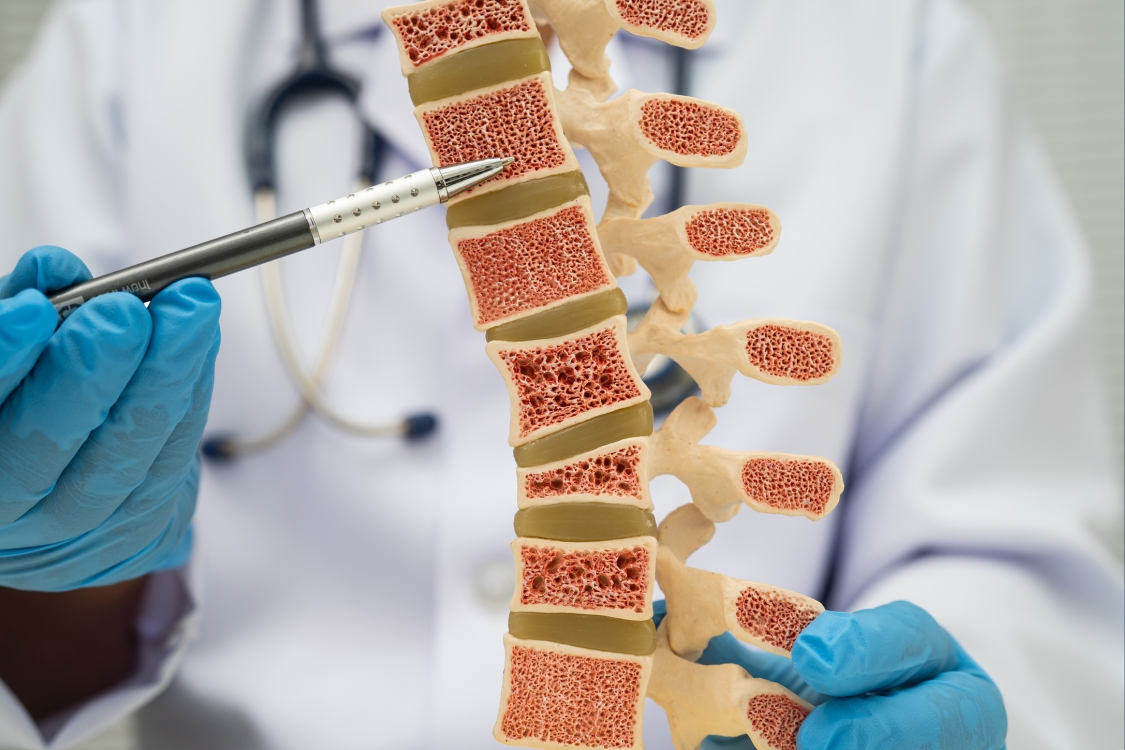
- Back and spine pain
- Neck pain
- Joint pain
- Sciatica
- Post-surgical pain
- Arthritis-related pain
These doctors are especially helpful when pain has lasted for weeks or months or has not improved with basic treatment.
Treatments pain management doctors provide
Pain management doctors may provide:
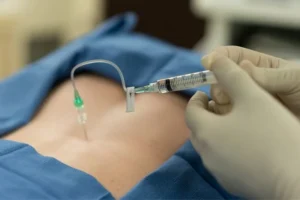
- Nerve blocks
- Epidural injections
- Radiofrequency ablation
- Regenerative therapy such as PRP
- Medication management
- Diagnostic injections
These treatments are often used to reduce inflammation, calm irritated nerves, confirm the source of pain, and help patients avoid more invasive procedures.
Key Differences Between Pain Management and Orthopedic Doctors
Orthopedic doctors and pain management doctors both help people with pain, but they approach it from different angles. One focuses more on structure and repair. The other focuses more on pain relief, function, and non-surgical treatment.
Focus of treatment
Orthopedic doctors focus on bones, joints, ligaments, and structural injury. Pain management doctors focus on pain signals, inflammation, nerve irritation, and long-term symptom control.
Type of conditions treated
Orthopedic doctors are often the right choice for fractures, torn ligaments, joint instability, and major structural problems. Pain management doctors are often the right choice for chronic pain, nerve pain, back pain, and pain that continues after surgery or injury.
Treatment approach
Orthopedic treatment may include imaging, bracing, therapy, and surgery when needed. Pain management treatment usually focuses on non-surgical options such as injections, nerve treatments, regenerative therapy, and medication.
When each is typically used
Orthopedic doctors are often seen first for acute injuries and structural problems. Pain management doctors are often seen when pain is ongoing, recurring, nerve-related, or not improving with time.
When You Should See an Orthopedic Doctor
An orthopedic doctor is often the right choice when pain starts after a clear injury or when there is concern about structural damage. This includes trauma, sports injuries, sudden joint instability, or symptoms that suggest a tear or fracture.
Signs you need orthopedic care
You may need orthopedic care if you have:
- Sudden pain after a fall or accident
- Suspected fracture
- Swelling after an injury
- A joint that feels unstable or gives out
- Limited movement after trauma
- Symptoms of a torn ligament or tendon
These problems often need imaging and structural evaluation.
When surgery may be required
Surgery may be required when there is severe joint damage, a complete tear, a fracture, major instability, or a condition that will not improve with conservative care. In these cases, an orthopedic doctor is usually the right specialist to make that decision.
When You Should See a Pain Management Doctor
A pain management doctor is often the right choice when pain lasts longer than expected, keeps coming back, or starts affecting sleep, walking, work, or daily life. This is especially true when pain is related to nerves, the spine, or chronic inflammation.
Signs pain management is the right choice
You may benefit from pain management if you have:
- Pain lasting more than a few weeks
- Chronic pain that keeps returning
- Burning, tingling, numbness, or shooting pain
- Pain after surgery that is not improving
- Pain that spreads into the arm or leg
- Pain that has not improved with therapy, rest, or medication
Pain management is also a strong option for people trying to avoid surgery.
When non-surgical treatment is preferred
Non-surgical treatment is often preferred when the goal is to reduce pain, improve movement, and avoid downtime from surgery. Many pain conditions respond well to image-guided injections, nerve treatments, regenerative therapy, and targeted rehabilitation.
Can You See Both? (Yes — and often should)
Yes, and many patients do. In fact, orthopedic doctors and pain management doctors often work together. One may diagnose the structural issue, while the other helps manage pain before surgery, after surgery, or when surgery is not the best option.
How both doctors work together
An orthopedic doctor may identify a tear, arthritis, or joint problem. A pain management doctor may then help reduce pain with injections, nerve blocks, or regenerative therapy. This can improve comfort, help with recovery, or delay surgery.
Why many patients need both
Some patients need orthopedic evaluation for diagnosis and pain management for ongoing treatment. This is common in arthritis, spine pain, post-surgical pain, and chronic joint problems where both structure and pain need to be addressed.
Which Doctor Should You See First?
This depends on the symptoms, how long the pain has been present, and whether the issue seems more structural or more pain-related. The good news is that either doctor can help point you in the right direction, but some situations are more clearly suited to one specialty.
If pain is new or injury-related
If the pain started after a fall, accident, sports injury, or sudden twist, an orthopedic doctor is often the better place to start. Structural injuries usually need to be ruled out first.
If pain is ongoing or chronic
If the pain has lasted for weeks or months, keeps coming back, or has not responded to basic treatment, pain management is often the better first step.
If pain is nerve-related
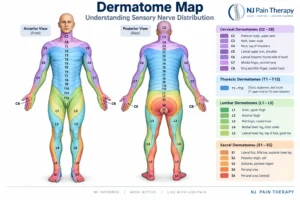
If the pain feels burning, radiating, tingling, numb, or electric, a pain management doctor is often the better fit because nerve-related symptoms are a major part of interventional pain care.
If you want to avoid surgery
If your goal is to explore non-surgical options before considering an operation, pain management is usually the better first choice. Many patients improve with injections, nerve treatments, regenerative therapy, and other conservative care.
How Pain Management Can Help You Avoid Surgery
Not every painful condition needs surgery. In many cases, pain management can reduce inflammation, calm irritated nerves, and improve function enough that surgery is delayed or avoided altogether.
When surgery may not be necessary
Surgery may not be necessary when pain is being driven more by inflammation, nerve irritation, or chronic pain signaling than by severe structural damage. Conditions like sciatica, arthritis pain, spine-related pain, and some joint conditions often respond to non-surgical treatment.
How non-surgical treatments work
Pain management may use injections to reduce inflammation, nerve blocks to interrupt pain signals, radiofrequency ablation for longer relief, and regenerative therapy to support healing. These treatments can help improve mobility and daily function without the recovery time of surgery.
Pain Treatment Options in New Jersey
Pain treatment today often includes interventional pain management, regenerative therapy, and imaging-guided injections designed to target the source of pain with precision. This approach helps many patients reduce pain and improve movement without jumping straight to surgery.
At our New Jersey pain management clinic, treatment is personalized based on symptoms, diagnosis, and goals. Options may include nerve blocks, epidural injections, PRP, radiofrequency ablation, medication management, and other non-surgical therapies.
If you are dealing with ongoing pain and want to explore non-surgical options, our New Jersey pain management specialists can help you find the right treatment and get back to normal activity.
Frequently Asked Questions on a Pain Management vs Orthopedic Doctor
Should I see a pain doctor or orthopedic doctor first?
It depends on the cause of pain. New injuries and suspected structural damage often point to orthopedics, while chronic pain, nerve pain, and ongoing symptoms often point to pain management.
Do pain management doctors do surgery?
Most pain management doctors focus on non-surgical and minimally invasive treatments rather than major surgery.
Can pain management replace surgery?
In some cases, yes. Pain management may reduce symptoms enough to delay or avoid surgery, depending on the condition.
What conditions do pain doctors treat?
Pain doctors treat chronic pain, nerve pain, back pain, neck pain, joint pain, sciatica, and post-surgical pain.
Do orthopedic doctors treat chronic pain?
They can, especially when chronic pain is tied to joint damage or structural issues, but ongoing pain control is often handled by pain management specialists.
Can I see both doctors at the same time?
Yes. Many patients benefit from seeing both, especially when a condition involves structural damage and long-term pain.