
Pain management for spinal stenosis focuses on reducing inflammation, calming irritated nerves, and restoring function—often without surgery. Below is a clear, practical guide to what spinal stenosis is, why it hurts, and how pain management helps.
Understanding Spinal Stenosis and Your Treatment Options
Spinal stenosis is common, especially as we age, and symptoms can vary widely from person to person. While stenosis refers to a structural narrowing in the spine, the pain people feel is usually driven by inflammation, nerve irritation, and mechanical stress, not the narrowing alone.
Many people hear “stenosis” and assume surgery is inevitable. In reality, most cases improve with non-surgical pain management that targets the real pain drivers. This guide explains how pain management treats spinal stenosis, what actually works, what doesn’t, and when surgery may be necessary. If spinal stenosis pain is limiting your walking, standing, or daily life, pain management can help you explore non-surgical options first.
What is Spinal Stenosis?
What’s Happening in the Spine
Spinal stenosis occurs when the spinal canal or the openings where nerves exit the spine become narrowed. This narrowing can compress spinal nerves—most commonly in the lumbar (lower back) region.
The condition usually develops gradually over time, not from a single injury, which is why symptoms often creep in and worsen slowly.
Common Causes of Spinal Stenosis
Several age-related and mechanical changes can lead to stenosis, including:
- Age-related degeneration of the spine
- Arthritis and bone spur formation
- Disc bulges or thickened spinal ligaments
- Prior spine injuries or previous spine surgery
Common Symptoms of Spinal Stenosis
Spinal stenosis symptoms often follow recognizable patterns:
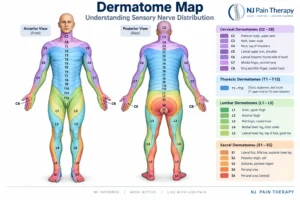
- Leg pain, heaviness, or numbness when standing or walking
- Pain that improves with sitting or bending forward
- Weakness or balance difficulties
- Back pain that flares with activity
- Symptoms frequently affect both legs, though one-sided pain can occur
These patterns are important because they help guide accurate diagnosis and targeted treatment, rather than guessing based on imaging alone.
Pain management for spinal stenosis focuses on calming irritated nerves, reducing inflammation, and restoring function—often without surgery. Below is a clear, practical breakdown of why stenosis hurts, how pain management helps, and when surgery is truly needed.
Why Spinal Stenosis Pain Develops
Spinal stenosis pain isn’t caused by narrowing alone. Several factors stack together:
- Nerve compression doesn’t always equal pain—many people have stenosis on imaging with few symptoms.
- Inflammation around compressed nerves amplifies pain signals.
- Reduced blood flow to nerves during standing or walking worsens symptoms.
- Muscle fatigue and compensation build over time, increasing discomfort and limiting tolerance.
Why Surgery Isn’t Always the First Step
Surgery treats structure—but pain is driven by more than anatomy.
- Imaging findings don’t always match pain severity.
- Many people show stenosis on MRI without disabling symptoms.
- Pain management targets inflammation, nerve irritation, and mechanics, not just narrowing.
- Early non-surgical care often prevents progression and delays—or avoids—surgery.
How Pain Management Treats Spinal Stenosis
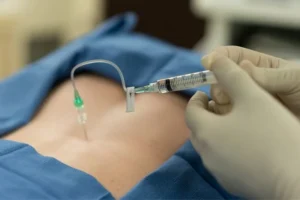
Epidural Steroid Injections
- Epidural injections reduce inflammation around compressed spinal nerves
- Improve walking and standing tolerance
- Common first-line interventional treatment
Nerve Blocks
- Nerve blocks temporarily interrupt pain signals
- Help confirm the true pain source
- Provide relief while rehab and movement improve
Radiofrequency Ablation (RFA)
- Radiofrequency ablation targets pain-transmitting facet joint nerves
- Longer-lasting relief for arthritis-related stenosis pain
- Helps avoid repeated injections or surgery
Medication Management (When Appropriate)
- Medication management is used strategically—not as long-term dependence
- Reduces nerve sensitivity and inflammation
- Often paired with physical therapy and movement care
Regenerative Therapies
- Plasma-based injections when appropriate
- Support joint and soft tissue health
- Focus on healing and function—not masking pain
Spinal Cord Stimulators (Advanced Option)
- Modulate pain signals before they reach the brain
- Used for severe or refractory stenosis pain
- Often prevent repeat spine surgeries
How Pain Management Improves Daily Function
Effective care isn’t just about pain scores:
- Increases walking and standing tolerance
- Reduces activity-related flare-ups
- Helps patients stay active safely
- Prevents deconditioning and muscle loss
When Pain Management Works Best for Spinal Stenosis
Non-surgical care is most effective when:
- Symptoms have been present weeks to months, not decades
- Pain improves with sitting or bending forward
- There’s no rapid neurological decline
- The goal is to stay active and avoid surgery
When Surgery May Still Be Necessary
Some situations require surgical evaluation:
- Progressive leg weakness
- Loss of balance or coordination
- Bowel or bladder changes (urgent)
- Structural instability or severe compression
- Failure of appropriate non-surgical care
Pain management helps identify when surgery is necessary—it doesn’t delay needed treatment.
When to See a Pain Management Specialist
Consider evaluation if you have:
- Leg pain or numbness limiting walking
- Symptoms that worsen with standing or activity
- Recurrent flare-ups despite rest
- A desire to avoid surgery or long-term medication
Our New Jersey pain specialists help manage spinal stenosis without surgery whenever possible—and guide you safely if surgery becomes necessary.
FAQs — Pain Management for Spinal Stenosis
Can pain management help spinal stenosis without surgery?
Yes. Many people achieve meaningful relief by reducing inflammation and nerve irritation without surgery.
How long do injections for stenosis last?
Relief varies—some last weeks to months. Duration depends on inflammation, activity level, and overall spine health.
Will spinal stenosis always get worse?
Not necessarily. With proper management, many people maintain stable symptoms and function for years.
Is walking bad for spinal stenosis?
No. Walking is often beneficial, especially when paced and supported by treatment.
When should I consider surgery for stenosis?
When there’s progressive weakness, balance loss, bowel/bladder changes, or failure of appropriate non-surgical care.
Conclusion: Living Well With Spinal Stenosis Is Possible
Spinal stenosis doesn’t automatically mean surgery. Pain management treats the drivers of pain—not just imaging findings. Early, strategic care preserves mobility, independence, and quality of life while reducing the risk of long-term decline. If spinal stenosis is limiting your movement or quality of life, the Center for Regenerative Therapy and Pain Management can help you regain function without rushing into surgery.