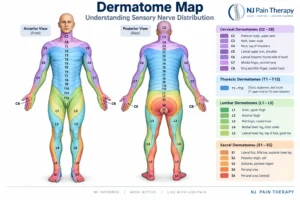

Whether it’s a sharp jolt down your leg or a dull ache after a workout, not all pain is the same. The body sends pain signals for many reasons, and sometimes, it’s hard to tell exactly what’s causing them. Nerve pain and muscle pain can feel similar at first, but they come from entirely different sources — and need very different treatment approaches.
Muscle pain usually develops from overuse or strain, while nerve pain is often tied to irritation or damage within the nervous system. Knowing which type you’re dealing with helps your pain management specialist choose the right therapy and get you back to moving comfortably again.
What Is Nerve Pain?
How It Feels
Nerve pain is often described as sharp, shooting, or burning. It can feel like an electric shock or a sudden jolt that travels down an arm or leg. Some people experience constant tingling or numbness, while others notice it only during certain movements or at night. Because nerves send signals throughout the body, the pain can radiate far from the actual source — for example, pain from a pinched nerve in your back might travel all the way down your leg.
Common Causes
Nerve pain happens when a nerve becomes compressed, irritated, or damaged. Common causes include:
- Herniated discs pressing on spinal nerves.
- Sciatica, spinal stenosis, or diabetic neuropathy.
- Post-surgical or post-injury irritation that disrupts nerve pathways.
Conditions like these interfere with how nerves transmit signals, which is why the pain can feel so sudden, severe, or unpredictable.
When to See a Doctor
You should see a pain management specialist if you experience:
- Persistent tingling, burning, or electric-like pain.
- Weakness, numbness, or difficulty moving your arms or legs.
- Pain that worsens when sitting, standing, or performing specific movements.
Early diagnosis is key — untreated nerve pain can worsen over time or cause long-term mobility issues.
What Is Muscle Pain?
How It Feels
Muscle pain feels more like soreness, stiffness, or a deep, aching discomfort. It’s often localized to a specific area and may worsen with activity but improve with rest. Unlike nerve pain, which can shoot or radiate, muscle pain stays put and usually comes with mild swelling or tenderness when you press on the affected spot.
Common Causes
Muscle pain often develops from mechanical strain or tension, not nerve damage. Common triggers include:
- Overuse or strain from exercise, lifting, or poor posture.
- Minor injuries or repetitive motions that stress one area of the body.
- Tension and stress, which can lead to chronic tightness, especially in the neck, shoulders, or back.
Muscle pain can usually be managed with rest, stretching, and gentle movement — but if it keeps returning, it may be linked to deeper postural or joint issues.
When to See a Doctor
Consider seeing a specialist if:
- The pain lasts more than a week despite rest or home remedies.
- There’s visible swelling, bruising, or a loss of strength or flexibility.
- The discomfort is tied to an ongoing back or neck condition.
Persistent muscle pain may point to underlying inflammation or alignment issues that need professional care.
Key Differences Between Nerve and Muscle Pain
| Feature | Nerve Pain | Muscle Pain |
| Sensation | Sharp, burning, tingling | Dull, aching, sore |
| Location | Radiates along nerves | Localized to one area |
| Triggers | Movement or compression | Overuse, strain |
| Associated Symptoms | Numbness, weakness | Stiffness, swelling |
| Response to Pressure | Often worsens | May improve with massage |
While both types can limit movement, nerve pain tends to interfere with daily function more severely, while muscle pain often improves with proper rest, stretching, and physical therapy. Understanding these differences is the first step toward choosing the right treatment and avoiding unnecessary discomfort.
How Pain Management Specialists Diagnose the Difference
Pain management doctors use a combination of medical evaluation, testing, and observation to pinpoint whether pain stems from nerves, muscles, or both.
- Physical exams: Specialists identify tender areas, test muscle strength, and check reflexes to determine whether discomfort follows a nerve pathway or muscle group.
- Diagnostic imaging: MRI scans, EMG studies, and nerve conduction tests can confirm whether nerves are compressed or muscles are inflamed.
- Medical history review: Understanding when the pain began, what worsens it, and how it feels provides key insight into its source.
- Pain pattern analysis: Sharp, radiating pain suggests nerve involvement, while dull, localized soreness often points to muscular issues.
Misdiagnosing pain can delay recovery or even make symptoms worse. That’s why a professional evaluation from a pain management specialist is essential before starting treatment.
Treatment Options for Each Type
Treating Nerve Pain
Nerve pain often requires advanced medical treatments to calm irritated nerves and restore proper function. Common options include:
- Nerve blocks or epidural injections to reduce inflammation and block pain signals.
- Radiofrequency ablation or spinal cord stimulation for chronic nerve pain that doesn’t respond to medication.
- Medications targeting neuropathic pain, such as anticonvulsants or antidepressants designed to interrupt pain transmission.
- Regenerative therapies that help repair damaged tissue and promote long-term healing.
Treating Muscle Pain
Muscle pain is typically treated with physical and restorative methods that relax tight fibers and improve mobility. Effective options include:
- Rest, heat therapy, and stretching to ease tension and restore blood flow.
- Physical therapy and posture correction to prevent strain from recurring.
- Trigger point injections or dry needling to release built-up tension in deep muscle layers.
- Anti-inflammatory medications when swelling or overuse is a factor.
When Nerve and Muscle Pain Overlap
Sometimes, nerve and muscle pain occur together — especially in chronic back, neck, or shoulder conditions. For example, a herniated disc can pinch a nerve while causing nearby muscles to tighten in response. This combination often leads to both radiating and localized pain.
The best results come from comprehensive treatment plans that address both the nerve irritation and the muscle imbalance. A tailored approach — combining interventional procedures, physical therapy, and lifestyle adjustments — helps restore full mobility and long-term comfort.
Finding Relief at the Center for Regenerative Therapy & Pain Management
Whether your pain comes from nerves, muscles, or both, our pain specialists at NJ Pain Therapy use advanced diagnostics and personalized treatments to help you move freely again. We take the time to identify the true cause of your pain and design a plan that supports long-term relief, not just short-term fixes.
Visit us at our Shrewsbury or Toms River, New Jersey locations to start your path toward recovery. Schedule a consultation today.
Frequently Asked Questions
Q1: How can I tell if my pain is nerve-related or muscle-related?
Nerve pain usually feels sharp, shooting, or electric-like, and may come with numbness or weakness. Muscle pain tends to be dull, sore, or tight and stays localized to one area. If the pain radiates or tingles, it’s likely nerve-related.
Q2: Can muscle pain turn into nerve pain?
Yes. Chronic muscle tension or inflammation can eventually put pressure on nearby nerves, causing irritation and nerve-related pain. Addressing tight muscles early helps prevent nerve compression and long-term discomfort.
Q3: Can a pinched nerve feel like muscle pain?
Absolutely. A pinched nerve can make the nearby muscles feel sore, stiff, or weak. Many people mistake this for a pulled muscle. If your “muscle pain” is paired with tingling, numbness, or radiating sensations, it’s likely nerve-related.
Q4: Can nerve pain feel like tight muscles?
Yes. When a nerve is entrapped or compressed, it can cause surrounding muscles to spasm or tighten. That tension is the body’s protective response—but it often makes nerve pain feel like muscle tightness.
Q5: When should I be worried about muscle pain?
If muscle pain lasts more than three days, or you notice symptoms like weakness, dizziness, fever, or a stiff neck, see a doctor. These signs could point to a more serious condition such as infection, inflammation, or nerve involvement.
Q6: How to tell if back pain is muscular?
Muscular back pain usually stays in one spot—it doesn’t travel into your legs or buttocks. In contrast, nerve-related pain (like sciatica) radiates from the lower back downward and may feel like burning or electrical shocks.
Q7: What does nerve pain in my leg feel like?
Nerve pain in the leg often feels burning, stabbing, or like an electric jolt. You may also feel numbness, tingling, or weakness that extends down to your foot.
Q8: Why are my muscles burning without exercise?
A burning sensation in the muscles can stem from infection, inflammation, or underlying conditions such as Lyme disease or fibromyalgia. Certain medications can also trigger muscle burning. If symptoms persist, consult your physician.
Q9: Do nerves take longer to heal than muscles?
Yes. Muscles typically heal within 4–6 weeks, but nerves can take several months—sometimes up to four or more—depending on the extent of the damage and the treatment approach.
Q10: What’s the best treatment for nerve pain in New Jersey?
The best treatment depends on the cause. NJ Pain Therapy offers nerve blocks, epidural injections, radiofrequency ablation, and regenerative therapies to relieve pain and promote healing in Shrewsbury and Toms River, NJ.
Q11: When should I see a pain management specialist?
If your pain lasts longer than a week, radiates, or interferes with daily activities, it’s time to see a pain management expert. Getting evaluated early helps identify whether your pain is nerve- or muscle-related and prevents it from becoming chronic.