Not always. You do not automatically need an MRI before seeing a pain management specialist.
Many people assume they need imaging before they can schedule an appointment, but that is not always the case. Pain management doctors often evaluate your symptoms, medical history, and physical exam first. From there, they can decide whether an MRI or another type of imaging is actually needed.
If you are dealing with ongoing pain, understanding the next steps can help you get the right care without unnecessary delays.
Do You Need an MRI Before Seeing Pain Management?
Quick Answer
No, not everyone needs an MRI before their first pain management appointment.
Many patients can be evaluated based on their symptoms, medical history, and physical examination. Your provider may ask where the pain is, when it started, what makes it better or worse, and whether you have symptoms like numbness, tingling, weakness, or pain that travels into the arms or legs.
If additional imaging is needed, your provider can order it after your evaluation. If you already have MRI results, bring them with you to the appointment. Prior imaging can help your pain management doctor better understand what has already been checked and what may need to happen next.
When Might You Already Have an MRI?
Some patients come to pain management with imaging already completed. This may happen if your primary care doctor ordered an MRI, or if you recently saw an orthopedic specialist, neurologist, spine surgeon, or another provider.
You may also have previous imaging if you had an injury, surgery, car accident, workplace accident, or long-term pain condition. Some patients also seek pain management after getting an MRI as part of a second opinion.
Prior imaging can be helpful, but it is not always required. An MRI gives your provider more information, but it does not replace a full evaluation. Your symptoms, exam findings, medical history, and treatment goals still matter.
How Do Pain Management Doctors Decide if You Need an MRI?
Pain management doctors do not usually order imaging just to check a box. They use it when it may help confirm a diagnosis, rule out certain conditions, or guide treatment.
During your visit, your provider will review your symptoms and pain history. They may ask when the pain started, whether it came on suddenly or gradually, where it travels, and what makes it better or worse. They will also want to know how the pain affects your daily life, including walking, sitting, sleeping, working, or exercising.
A physical examination is also important. Your provider may check your range of motion, strength, reflexes, sensation, posture, and movement patterns. They may also look for signs of nerve involvement or other underlying issues.
From there, your provider can decide whether imaging would actually change the treatment plan. In some cases, an MRI is useful. In other cases, treatment can begin without one.
When is an MRI More Likely to Be Recommended?
An MRI may be recommended when your symptoms suggest that imaging could help explain what is happening or guide the next step in care.
Symptoms Suggesting Nerve Compression
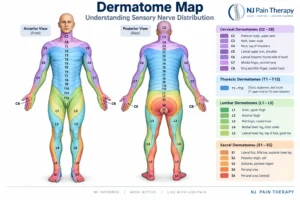
An MRI may be more likely if you have symptoms that suggest nerve compression. This can include pain that travels into the arms or legs, numbness, tingling, burning sensations, or muscle weakness.
For example, back pain that radiates down the leg may suggest sciatica or another nerve-related issue. Neck pain that travels into the shoulder, arm, or hand may suggest cervical nerve irritation.
Symptoms That Aren’t Improving
Imaging may also be considered when pain does not improve with conservative care. If you have tried rest, medication, physical therapy, activity changes, or other first-line treatments and the pain continues, an MRI may help your provider better understand the source of the problem.
Recurring flare-ups that continue to worsen may also make imaging more useful, especially if symptoms are becoming more frequent, more intense, or more limiting.
Before Certain Procedures
An MRI may be recommended before certain procedures if imaging would help guide treatment decisions. For example, your provider may want to better understand the location of a disc issue, narrowing around nerves, joint changes, or other structural findings before recommending an injection or advanced treatment.
MRI findings can sometimes confirm a suspected diagnosis, but they are only one part of the bigger picture.
When Might an MRI Not Be Necessary?
An MRI may not be necessary for every patient, especially when symptoms are mild, recent, or improving.
If your pain started recently and does not involve concerning symptoms, your provider may begin with a clinical evaluation and conservative treatment plan. If your pain responds well to initial care, imaging may not be needed right away.
In some cases, treatment can begin based on symptoms, exam findings, and medical history alone. Imaging is a tool, not a requirement for every patient. The goal is not to order the most tests possible. The goal is to order the right tests when they are likely to help.
What Should You Bring to Your First Pain Management Appointment?
Coming prepared can make your first visit more productive. Even if you do not have an MRI, there are still helpful things you can bring.
Previous Imaging Results
If you have previous imaging, bring it with you. This may include MRI reports, MRI discs, X-rays, CT scans, or other test results.
The written report is helpful, but the actual images may also matter. If possible, bring both.
Medical Information
Bring a list of current medications, including prescriptions, over-the-counter medications, and supplements. You should also share any previous treatments you have tried, such as physical therapy, injections, chiropractic care, medications, or surgery.
Your provider will also want to know about your surgical history, past injuries, medical conditions, and any specialists you have already seen.
Questions and Concerns
It is also helpful to bring your questions. Think about what you want to understand before leaving the appointment.
You may want to ask what could be causing your pain, whether imaging is needed, what treatment options are available, and what the next step should be. Sharing your goals for treatment can also help your provider build a plan that fits your life.
Frequently Asked Questions About MRIs and Pain Management
Can I See a Pain Management Doctor Without an MRI?
Yes. Many patients are evaluated before any imaging is ordered.
A pain management doctor can start by reviewing your symptoms, medical history, and physical exam findings. If an MRI is needed, your provider can recommend one after the initial evaluation.
Will the Pain Management Doctor Order an MRI If I Need One?
Yes. If imaging would help diagnose your condition or guide treatment, your provider can recommend an MRI.
An MRI may be useful when symptoms suggest nerve compression, when pain is not improving, or when imaging could help guide a specific treatment plan.
Should I Bring My MRI to My Appointment?
Absolutely. If you already have an MRI, bring any reports or discs you have available.
The written report can help summarize the findings, while the actual images may give your provider a more complete view of what is happening.
Can an MRI Show the Cause of My Pain?
Sometimes. MRI findings can provide valuable information, but they do not always explain why someone is experiencing pain.
Some people have MRI findings that do not cause symptoms, while others have significant pain even when imaging does not show an obvious problem. That is why your provider looks at the full picture, not just the scan.
The Bottom Line
You do not automatically need an MRI before seeing pain management.
A specialist can determine whether imaging is necessary after evaluating your symptoms, medical history, and physical exam findings. If you already have imaging, bring it with you. If you do not, that should not stop you from getting help.
Do not let the absence of an MRI delay care for persistent pain. The right provider can help you understand what may be causing your symptoms and what steps make the most sense next.
The Center for Regenerative Therapy & Pain Management offers personalized pain management treatments in New Jersey and can help you determine the right next steps based on your unique situation.