Rheumatoid arthritis can contribute to nerve pain when inflammation, swollen tissue, joint damage, or changes in joint alignment place pressure on nearby nerves.
Arthritis pain and nerve pain are not the same, but they can occur together. Rheumatoid arthritis often causes aching, stiffness, swelling, and tenderness. Nerve pain is more likely to feel burning, tingling, shooting, electric, numb, or weak.
Because other conditions can also cause neuropathy, new numbness, tingling, or weakness should be evaluated rather than assumed to be part of rheumatoid arthritis. The Center for Regenerative Therapy & Pain Management offers comprehensive evaluations and personalized pain treatments in New Jersey to identify the underlying cause of your symptoms and recommend the most appropriate treatment plan.
How Rheumatoid Arthritis Affects the Nerves
Chronic Inflammation Around the Joints
Rheumatoid arthritis causes inflammation in the lining of the joints. As swelling develops, it may place pressure on nearby nerves.
Inflamed tendons and surrounding tissues can also narrow the spaces where nerves pass, especially around the wrists, elbows, ankles, and feet.
Joint Damage and Structural Changes
Over time, rheumatoid arthritis can damage cartilage, ligaments, and bone.
Joint deformity, instability, or partial dislocation may reduce the space around a nerve. Changes in posture, movement, or weight distribution can also place additional stress on nearby nerves.
Rheumatoid Nodules and Vasculitis
Rheumatoid nodules may occasionally press against a nerve and cause localized symptoms.
A less common complication, rheumatoid vasculitis, can affect the blood vessels that supply nerves. These problems are less frequent but may require prompt treatment.
Rheumatoid Arthritis Pain vs. Nerve Pain
What Rheumatoid Arthritis Pain Feels Like
Rheumatoid arthritis pain commonly causes:
- Deep aching
- Joint tenderness
- Swelling
- Stiffness
- Warmth
- Reduced range of motion
- Similar symptoms on both sides of the body
Symptoms may become more noticeable during an RA flare.
What Neuropathic Pain Feels Like
Nerve pain is often described as:
- Burning
- Tingling
- Pins and needles
- Electric shocks
- Stabbing pain
- Numbness
- Sensitivity to light touch
These symptoms may follow the path of a particular nerve.
Why the Two Can Be Difficult to Separate
Joint inflammation and nerve compression can occur in the same area.
For example, wrist inflammation may cause aching and stiffness while also compressing the median nerve and producing numbness or tingling.
Weakness can also result from joint pain, muscle loss, or nerve dysfunction. A full examination may be needed to identify the main source.
Common Types of Neuropathy Associated With RA
Carpal Tunnel Syndrome
Carpal tunnel syndrome develops when the median nerve is compressed at the wrist.
Symptoms may include tingling, numbness, hand weakness, and difficulty gripping. They often become worse at night.
Because rheumatoid arthritis can inflame the wrist joints and tendons, carpal tunnel syndrome is especially common in people with RA.
Tarsal Tunnel Syndrome
Tarsal tunnel syndrome occurs when the tibial nerve is compressed near the ankle.
It may cause burning, tingling, pain, or numbness in the foot and toes. These symptoms are sometimes mistaken for ordinary arthritis-related foot pain.
Ulnar and Other Entrapment Neuropathies
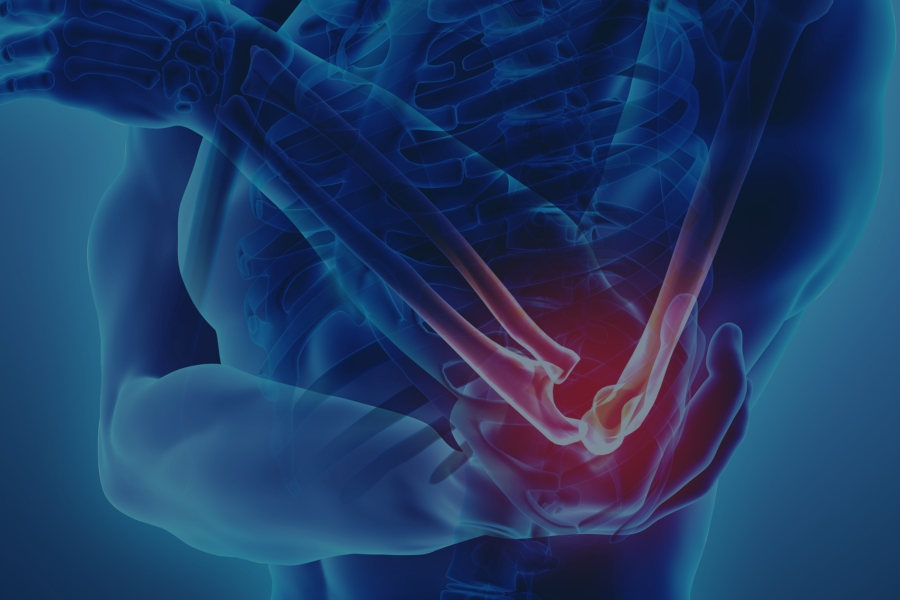
Nerves can also become compressed near the elbow, wrist, knee, ankle, or other inflamed joints.
Symptoms depend on the affected nerve but may include pain, tingling, numbness, weakness, or reduced coordination.
Peripheral Neuropathy
Peripheral neuropathy may involve several nerves in the hands, feet, arms, or legs.
Symptoms often begin in the hands or feet and may gradually spread upward. Sensory, motor, or autonomic nerves may be affected.
Symptoms That May Suggest Nerve Involvement
Sensory Changes
Possible sensory symptoms include:
- Tingling
- Numbness
- Burning
- Reduced temperature sensation
- Increased sensitivity to touch
Muscle and Movement Changes
Nerve problems may also cause:
- Weakness
- Dropping objects
- Difficulty gripping
- Trouble walking
- Poor balance
- Muscle cramping or twitching
Symptoms That Need Prompt Medical Attention
Seek prompt medical care for:
- Rapidly worsening weakness
- Sudden loss of sensation
- Loss of bladder or bowel control
- Severe neck pain with arm or leg weakness
- New balance or coordination problems
These symptoms may indicate significant nerve or spinal cord compression.
Other Causes of Neuropathy in People With RA
Diabetes
Diabetes is a common cause of peripheral neuropathy.
Someone with rheumatoid arthritis may develop diabetic nerve pain that is unrelated to their joint disease.
Vitamin Deficiencies and Metabolic Conditions
Other possible causes include:
- Vitamin B12 deficiency
- Thyroid disorders
- Electrolyte imbalances
- Kidney disease
- Liver disease
Blood tests may help identify these conditions.
Medication-Related Nerve Symptoms
Certain medications may contribute to neuropathy in some patients.
Do not stop or change a prescribed medication without first speaking with the prescribing physician.
Injuries, Repetitive Motion, and Spinal Conditions
Other possible causes include:
- Repetitive hand or wrist use
- Herniated discs
- Spinal stenosis
- Previous injuries or surgery
- Alcohol use
- Toxin exposure
More than one factor may contribute to nerve pain at the same time.
How Rheumatoid Arthritis-Related Neuropathy Is Diagnosed
Reviewing Symptoms and Medical History
Your physician will ask about:
- Where symptoms occur
- When they began
- Whether they are constant or intermittent
- How long you have had RA
- The severity of your arthritis
- Other health conditions
- Current medications
The pattern of symptoms can help identify which nerves may be involved.
Physical and Neurological Examination
The examination may include checking:
- Reflexes
- Strength
- Sensation
- Coordination
- Balance
- Joint swelling
- Areas of nerve tenderness or compression
This helps separate joint-related pain from nerve dysfunction.
Blood Tests
Blood testing may look for:
- High blood sugar
- Vitamin deficiencies
- Thyroid problems
- Electrolyte abnormalities
- Signs of inflammation or autoimmune activity
Imaging Tests
An MRI may identify spinal nerve compression or structural changes.
Ultrasound can reveal swelling, tendon inflammation, or compression of a peripheral nerve. X-rays may show joint damage, deformity, or alignment changes.
Imaging results must always be compared with the patient’s actual symptoms.
EMG and Nerve Conduction Studies
Electromyography and nerve conduction studies measure electrical activity in the nerves and muscles.
They can help identify where nerve damage is located and how severe it may be. Results are interpreted alongside the medical history and physical examination.
Treatment for Rheumatoid Arthritis and Nerve Pain
Controlling the Underlying Rheumatoid Arthritis
Managing RA inflammation is an important part of protecting the nerves.
Treatment may include:
- Disease-modifying antirheumatic drugs
- Biologic medications
- Anti-inflammatory treatment
- Ongoing care with a rheumatologist
Reducing inflammation may ease pressure on nearby nerves and help prevent further damage.
Medications for Neuropathic Pain
Nerve pain may require medications that work differently from standard pain relievers.
Depending on the patient, treatment may include certain antidepressants, antiseizure medications, topical treatments, or other symptom-focused medications.
The right choice depends on the diagnosis, medical history, and possible side effects.
Physical and Occupational Therapy
Therapy may help:
- Improve strength and mobility
- Support balance and coordination
- Make daily activities safer
- Reduce stress on painful joints
- Determine whether braces, splints, or adaptive tools may help
Injections and Interventional Pain Treatments
When conservative care does not provide enough relief, treatment may include:
- Corticosteroid injections
- Nerve blocks
- Epidural injections
- Radiofrequency ablation
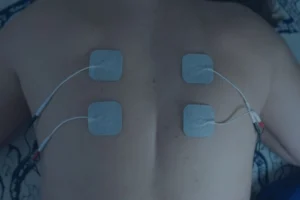
- Peripheral nerve stimulation
- Spinal cord stimulation in selected cases
These treatments may help manage pain and improve function, but they do not replace medical treatment for rheumatoid arthritis.
Surgery for Nerve Compression
Surgery may be considered when nerve compression is severe or symptoms continue despite conservative treatment.
Possible procedures include:
- Carpal tunnel release
- Decompression of another trapped nerve
- Surgery for severe spinal compression
- Joint procedures when structural damage is pressing on a nerve
The goal is to relieve pressure and prevent further loss of nerve function.
Managing Symptoms at Home
Home care cannot replace medical treatment for rheumatoid arthritis or neuropathy, but small adjustments may reduce irritation and help you stay active.
Protect Inflamed Joints and Nerves
Avoid resting your elbows, wrists, or knees against hard surfaces for long periods. Prolonged pressure can further irritate nerves that are already compressed or inflamed.
Take regular breaks from repetitive tasks such as typing, gripping tools, sewing, or using a phone. Supportive wrist positioning, ergonomic work setups, and proper sleep posture may also reduce pressure on sensitive joints and nerves.
Use Heat or Cold Carefully
Cold may help reduce swelling during an arthritis flare, while heat may ease stiffness and relax tight muscles.
Use a cloth barrier and limit how long heat or ice stays on the skin. If neuropathy has reduced your ability to feel temperature, you may not notice that something is too hot or cold. This increases the risk of burns, frost injury, or skin damage.
Stay Active Without Overloading the Joints
Regular movement can support joint mobility, muscle strength, and balance.
Helpful activities may include:
- Low-impact walking or cycling
- Physician-approved strengthening
- Gentle stretching
- Balance exercises
- Short activity periods spread throughout the day
Avoid pushing through sharp pain, increasing numbness, or worsening weakness. Pacing activity is often more effective than doing too much at once and needing several days to recover.
Monitor Hands and Feet
Reduced sensation can make cuts, sores, swelling, or skin irritation easier to miss.
Check your hands and feet regularly for:
- Cuts or blisters
- Swelling
- Redness
- Temperature changes
- Areas of unusual pressure
Wear supportive, properly fitting footwear and address skin or sensation changes early.
Can Rheumatoid Arthritis Nerve Damage Be Reversed?
Recovery depends on what caused the nerve problem, how severe it is, and how long the nerve has been compressed or damaged.
Mild nerve compression may improve when rheumatoid arthritis inflammation is controlled and pressure on the nerve is reduced. Symptoms caused by temporary swelling may improve more readily than symptoms caused by long-term joint damage.
Severe or long-standing nerve damage may not fully reverse. Nerves also heal slowly, so improvement may take several months even after the underlying problem has been treated.
Early diagnosis matters. Treating inflammation or compression before significant damage develops may reduce the risk of permanent numbness, weakness, or loss of function.
Frequently Asked Questions
Can rheumatoid arthritis cause tingling and numbness?
Yes. Inflammation, swollen tendons, joint damage, or changes in alignment may compress nearby nerves.
This can cause tingling, numbness, burning, weakness, or pain that travels beyond the affected joint. However, other conditions can cause the same symptoms, so an evaluation is important.
What is the most common nerve problem associated with RA?
Compressive neuropathies are among the most common nerve problems associated with rheumatoid arthritis.
Carpal tunnel syndrome is a frequent example. Inflammation in the wrist can place pressure on the median nerve, causing numbness, tingling, weakness, or difficulty gripping.
Can rheumatoid arthritis cause neuropathy in the feet?
Yes. Inflammation near the ankle may compress the tibial nerve and cause tarsal tunnel syndrome.
Rheumatoid arthritis may also be associated with broader peripheral neuropathy. Diabetes, spinal conditions, vitamin deficiencies, and other health problems should also be considered when foot symptoms develop.
How can I tell whether my pain is arthritis or nerve pain?
Arthritis pain is more likely to feel aching, tender, swollen, or stiff. Nerve pain is more often described as burning, tingling, numb, stabbing, shooting, or electric.
The two can occur together, making them difficult to separate without an examination.
Can treating RA improve nerve pain?
It may. Controlling rheumatoid arthritis inflammation can reduce swelling and pressure around nearby nerves.
However, some patients also need treatment directed specifically at the neuropathy, especially when nerve compression or damage has become more established.
When should I see a pain management physician?
Consider an evaluation when nerve symptoms:
- Persist or become worse
- Interrupt sleep
- Limit walking, gripping, or daily activity
- Continue despite treatment for rheumatoid arthritis
- Include significant pain, numbness, or weakness
A pain management physician can help identify the source and determine whether medications, therapy, injections, or another treatment may be appropriate.
Can nerve blocks help rheumatoid arthritis-related nerve pain?
They may help selected patients when a specific irritated or compressed nerve can be identified.
A nerve block may reduce inflammation, interrupt pain signals, or help confirm which nerve is causing the symptoms. It does not treat the underlying autoimmune disease and should be coordinated with appropriate rheumatoid arthritis care.
Conclusion
Rheumatoid arthritis can contribute to nerve pain through inflammation, nerve compression, joint damage, structural changes, or less common complications such as rheumatoid vasculitis.
Burning, tingling, numbness, shooting pain, and weakness should not automatically be dismissed as ordinary arthritis symptoms. These changes may signal nerve involvement or another condition requiring treatment.
Effective care may involve coordination among your rheumatologist, primary care physician, neurologist, and pain management specialist.
If persistent nerve pain is affecting your mobility, sleep, work, or daily routine, schedule an evaluation with The Center for Regenerative Therapy & Pain Management. Our team can help determine the source of your symptoms and discuss appropriate options for pain management in New Jersey.
SEO Title
Rheumatoid Arthritis and Nerve Pain Guide
Meta Description
Learn how rheumatoid arthritis and nerve pain are connected, common symptoms, diagnosis, treatment options, and when to seek care.
URL Slug
/rheumatoid-arthritis-nerve-pain/