
Most people get told they have back pain, neck pain, or arthritis. But that is a location, not a cause. It is like saying “my check engine light is on” without figuring out which part is actually failing.
A pain generator is the specific structure or pathway that is actually producing the pain signal. The entire job of good pain management is to stop guessing and identify that generator using symptom patterns, the physical exam, imaging that matches the pattern, and targeted diagnostics when needed.
If pain keeps recurring, keeps flaring, or is limiting your ability to work, sleep, or move normally, schedule an evaluation for pain management in New Jersey so you can confirm the driver and build a plan that makes sense.
Quick Summary
The pain generator in one sentence
The pain generator is the most likely source of your pain based on your symptom pattern, exam findings, and confirmatory testing when needed.
Why this matters
When you treat the right generator, you get the right treatment faster, with less wasted time and fewer repeat flares.
When you treat the wrong generator, you get the opposite: ineffective injections, confusing imaging results, frustration, and a cycle of short term fixes that do not stick.
The tools pain management uses
Pain management usually uses four tools, in a specific order:
- Pain map and history
- Physical and neurologic exam
- Imaging review that matches the pattern
- Diagnostic injections and blocks when needed
Step 1: pattern recognition: the history that actually matters
Location plus radiation: where it travels
A key early split is local pain versus radiating pain. Local pain often points to joints or soft tissue drivers. Radiating pain down an arm or leg can point to nerve irritation patterns. Numbness, tingling, and weakness also matter because they suggest nerve involvement and help narrow which pathway is likely involved.
Triggers: what reliably makes it worse
Triggers are not small talk. They are diagnostic clues.
If pain worsens with sitting, bending, or coughing, that often fits disc or nerve irritation patterns. If pain worsens with standing or extension, that often fits facet type patterns. If your main limitation is walking distance, with symptoms building the longer you stand or walk, that can fit stenosis style patterns. If transitions, stairs, or getting in and out of a car are the worst, SI joint or hip patterns are often on the table.
Relief clues: what reliably helps
Relief patterns matter just as much as triggers. Some people feel better leaning forward, some feel better lying down, and some feel better just changing positions frequently. Heat often helps tightness and guarding. Movement can help stiffness patterns. Rest can help acute irritation. Your provider is looking for what consistently shifts symptoms, not what worked once.
Timeline clues: acute vs chronic vs recurrent
When did this start, and how did it build. A new injury that suddenly changed everything is different from a slow build over months. Post surgery pain is different from non surgical pain. Flares that come and go suggest a sensitivity and load tolerance issue, while constant pain may suggest a different driver or a more sensitized nervous system. The timeline helps prioritize what to test first.
Step 2: physical exam: finding the driver without guessing
Range of motion and provocation
The exam is not random movements. It is testing which motions reproduce symptoms and where the pain shows up when it does. That helps separate muscle guarding from joint driven pain from nerve driven pain.
Neurologic screening
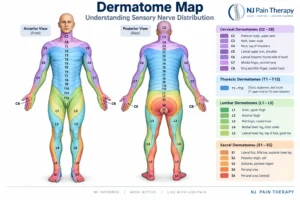
Your provider will usually check strength, sensation, and reflexes. This is how they look for true nerve deficit patterns and identify red flags that need a different level of workup. It also helps match symptoms to specific nerve distributions instead of broad guesses.
Special tests for common generators
Pain management exams often include specific tests that cluster around likely drivers.
Disc or nerve tension tests can help confirm nerve irritation patterns. Facet loading style tests can support a facet mediated hypothesis. SI joint provocation tests often work best as a cluster concept, not one single test. Hip screening matters because hip issues can present as “back pain,” and missing that sends people down the wrong path for months.
Step 3: imaging: useful, but only when it matches the pattern
The big truth about imaging
Abnormal findings are common in people without pain. That is why imaging is evidence, not the verdict. The real question is whether the imaging matches your pattern and exam findings.
When MRI matters most
MRI tends to matter most when symptoms persist, when there are neurologic deficits, when conservative care has been tried and you are still stuck, or when imaging is needed for procedure planning and safety targeting. In other words, MRI is most useful when it changes decisions.
X ray vs MRI vs CT: what each is used for
X ray is often used to look at alignment, arthritis changes, and instability clues. MRI is used for discs, nerves, soft tissue, and stenosis detail. CT is often used for bone detail when MRI is not possible or when specific planning requires it.
Step 4: narrowing the generator: the most common categories
Nerve root irritation: radicular pain
This is the classic sciatica or arm radiation pattern: pain travels down a leg or arm, sometimes with tingling, numbness, or weakness. It often points to a nerve root getting irritated or compressed somewhere near the spine. The common signs are predictable: the pain follows a line, symptoms can spike with certain positions, and you may notice “electric” or shooting sensations rather than just soreness.
Facet joint mediated pain
Facet pain is usually more localized back or neck pain, often worse with extension like leaning back, looking up, or standing too long. People often describe it as achy, stiff, and position dependent, not a sharp “zap” down a limb. Medial branch nerves matter here because they carry pain signals from the facet joints. If that pathway is the driver, it opens the door to specific diagnostic blocks and, in the right case, longer lasting options.
SI joint mediated pain
SI joint pain is commonly buttock dominant pain that flares with transitions and load: stairs, getting in and out of a car, standing from a chair, rolling in bed, or single leg loading. It can mimic sciatica because the pain can refer into the hip, groin, or back of the thigh. That is why people can chase the wrong diagnosis for a long time until the pattern is properly tested.
Myofascial and trigger point pain
This is muscle driven pain: tender bands, knots, and referral patterns where pressing one area creates pain somewhere else. Stress and guarding overlap a lot here because tight muscles often become the body’s “protection strategy” during pain, which can keep tension and sensitivity going. This category is very real and very common, but it is also easy to confuse with deeper joint or nerve drivers unless the exam is done carefully.
Stenosis patterns
Stenosis tends to show up as shrinking walking tolerance. The longer you stand or walk, the more symptoms build: heaviness, cramping, aching, or numbness in the legs. Relief often comes with sitting or leaning forward. People describe it as “my legs give out” or “my legs get heavy” more than “I tweaked something.”
Peripheral joint pain masquerading as spine pain
Not all “back pain” is actually the back. Hip arthritis or impingement can present as groin pain, thigh pain, or even buttock pain. Shoulder problems can get misread as neck pain because they cause upper back and shoulder blade discomfort. A good evaluation screens these out early so you do not waste months treating the wrong region.
Step 5: diagnostic injections and blocks: the “proof step”
Why blocks exist
Blocks exist to confirm a pathway before committing to longer procedures. They reduce wasted interventions. If a block does not help, that is useful information because it tells you the target likely is not the driver.
Diagnostic nerve blocks
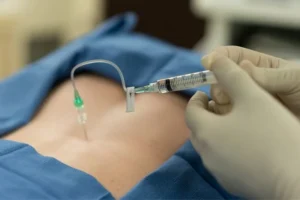
A “positive” block is not just pain going down for an hour. In real life, it means pain decreases and function improves. You can turn your head better, walk longer, sit longer, sleep better, climb stairs with less pain. That functional change is the signal. Chasing a perfect number on a pain scale is not the point.
Selective nerve root blocks vs epidural injections
Think of this as targeted confirmation versus broader inflammation control. A selective nerve root block is more specific, aimed at confirming whether one nerve root is the culprit. An epidural injection is often broader, aimed at reducing inflammation around irritated nerve structures to support recovery and rehab.
Medial branch blocks before RFA
RFA is usually not first because it is meant for a confirmed pathway, not a guess. Medial branch blocks help predict whether the facet pathway is truly driving pain. If blocks show meaningful relief and function improvement, it increases confidence that treating that pathway will help.
Step 6: treatment plan: fix the driver, not just the symptom
The stepwise model
Good pain management is stepwise. Build a conservative foundation first. Add targeted interventions when indicated. Progress rehab and reassess instead of repeating the same thing forever. The goal is not “more procedures.” The goal is the least invasive path to better function.
What “success” looks like
Success is function first: walking, sleep, work tolerance, sitting tolerance, and activity consistency. Fewer flares and faster recovery matter more than one perfect week. Less medication reliance can be a goal when appropriate, but it is not promised and it depends on the diagnosis and response.
What happens when the first guess is wrong
A good clinic does not double down on the wrong plan. They reassess the pattern, consider whether this is a new generator or mixed generators, and adjust strategy. Repeating the same treatment that did not work is how people stay stuck.
Frequently Asked Questions About How Pain Management Doctors Find the Pain Generator
What is a pain generator in plain English
It is the specific structure or nerve pathway that is actually producing your pain signal. Not just where you feel pain, but what is causing it.
Can I have more than one pain generator
Yes. A lot of people have mixed drivers, like facet irritation plus myofascial guarding, or nerve irritation plus SI joint involvement. The plan has to prioritize what is dominant and most treatable first.
Do I need an MRI to identify the generator
Not always. Many generators can be suspected from pattern and exam. Imaging is most useful when it changes decisions, confirms a suspected driver, or helps plan a procedure safely.
Why did my injection not work
Common reasons include wrong target, mixed pain generators, the wrong timing for that approach, or no rehab plan to lock in gains. A non response is data, not failure, if your provider uses it to refine the diagnosis.
How do doctors confirm facet pain vs disc pain
Facet pain is usually more localized and worse with extension. Disc or nerve irritation more often includes radiating pain, tingling, numbness, and provocation with sitting, bending, or coughing. Diagnostic blocks can help confirm the pathway when it is not clear.
Can pain management find the generator without surgery
Often, yes. Pattern, exam, imaging, and targeted diagnostic blocks are the main tools. Surgery is not required to identify the driver in most cases.
Conclusion
Pain management finds the generator by matching symptom pattern plus exam plus imaging. Blocks are the proof step when the diagnosis needs confirmation. The best plans are stepwise and function first.
Schedule a pain management evaluation in New Jersey to confirm your pain generator and get a plan built around your pattern and goals.