Most people think all pain is basically the same, but injury pain and chronic pain are very different. One usually starts after a clear problem, heals over time, and gradually fades. The other can linger for months, come and go, or keep going even after the original injury should have improved.
Chronic pain is different because it often involves the nervous system, not just the injured tissue. That is why it can feel harder to explain, more unpredictable, and more difficult to ignore. In this guide, we will break down the key differences between injury pain and chronic pain so it is easier to understand what your body may be telling you.
If your pain has lasted longer than expected, our New Jersey pain management team can help identify the cause and provide targeted treatment options.
What Is Injury Pain?
Injury pain, also called acute pain, usually happens when the body has a clear reason to hurt. It may come from tissue damage, inflammation, strain, or trauma. In most cases, it starts suddenly, has an obvious cause, and improves as the body heals.
Common causes of injury pain
Common causes of injury pain include:
- sprains
- strains
- fractures
- inflammation
- surgery
- cuts or trauma
- overuse injuries
Injury pain is often linked to a specific event or a clear physical problem.
How injury pain works
Injury pain usually follows a simple pattern. Tissue gets damaged or inflamed, pain signals are sent to the brain, and the body starts healing. As healing moves forward, the pain usually becomes less intense and less frequent.
This type of pain is a normal protective response. It tells you to slow down, protect the area, and avoid making the injury worse.
How long injury pain lasts
Injury pain often lasts from a few days to a few weeks depending on how serious the problem is. In more significant injuries or after surgery, it may last longer, but it should still improve over time. When pain does not follow that pattern, it may no longer be simple injury pain.
What is Chronic Pain?
Chronic pain is pain that lasts longer than expected, often three months or more. It may start with an injury, surgery, inflammation, or nerve irritation, but it does not always fade the way normal injury pain should. In some cases, chronic pain continues even when the original tissue problem has improved.
Common causes of chronic pain
Common causes of chronic pain include:
- arthritis
- nerve irritation
- spine conditions
- post-surgical pain
- disc problems
- joint degeneration
- pain with no single clear cause
Chronic pain can come from structural problems, nerve-related problems, or a nervous system that stays too active.
How chronic pain works
Chronic pain works differently from injury pain because the nervous system often stays involved. Pain signals may continue firing, nerves may stay irritated, and the brain may become more sensitive to certain sensations. That means the pain can keep going even when the original injury is no longer the main issue.
How long chronic pain lasts
Chronic pain can last for months or even years. Some people feel it every day, while others notice flare-ups that come and go. The key difference is that it lasts beyond the normal healing timeline.
Key Differences Between Chronic Pain and Injury Pain
Chronic pain and injury pain may feel similar at first, but they are not the same. They differ in how long they last, what causes them, how the body responds, and how they need to be treated.
Duration of pain
Injury pain is usually short-term and improves as healing happens. Chronic pain lasts much longer and may continue long after the body should have recovered.
Source of pain
Injury pain usually has a clear source, such as a strain, fracture, inflammation, or surgery. Chronic pain may begin with a clear cause, but over time the source can become more complex. Nerves, inflammation, movement patterns, and brain processing may all play a role.
How the body responds
With injury pain, the body generally moves through a healing process and the pain gradually fades. With chronic pain, the body may stay in a more reactive state, which can lead to ongoing tension, guarding, inflammation, and pain sensitivity.
Role of the nervous system
The nervous system plays a much bigger role in chronic pain. In acute injury pain, nerves are mainly sending a warning about tissue damage. In chronic pain, the nervous system may stay switched on too long, making pain more persistent and more intense.
Treatment goals
Treatment for injury pain usually focuses on rest, healing, and temporary symptom relief. Treatment for chronic pain often requires a broader plan that may include injections, nerve treatments, physical therapy, medication, or regenerative options to address the pain process itself.
Why Chronic Pain Feels Different
Chronic pain often feels different from a normal injury because it can be sharper, duller, burning, spreading, or just harder to predict. It may also feel stronger than expected or show up in ways that do not match the original injury very well.
Nerve involvement
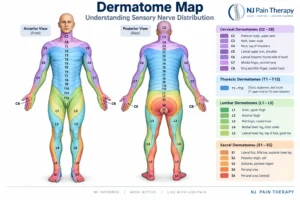
When nerves are involved, pain may feel burning, shooting, tingling, electric, or radiating. This is very different from the soreness or throbbing that often comes with a typical injury.
Sensitization
Over time, the nervous system can become more sensitive. This is called sensitization. When that happens, movements or sensations that should not hurt much may start to feel much worse. This is one reason chronic pain can feel unpredictable and more intense.
Brain processing differences
The brain also plays a role in how pain feels. Stress, poor sleep, anxiety, fatigue, and repeated pain experiences can all change how strongly the brain responds to pain signals. That can make chronic pain feel different even when the physical findings do not seem severe.
Why Chronic Pain Does Not Go Away
One of the most frustrating parts of chronic pain is that it can continue even after the original injury should have healed. This usually happens because the pain process has changed.
Pain sensitization
Pain sensitization means the nervous system becomes more reactive over time. It starts responding more strongly to smaller triggers, which makes the pain last longer and feel more severe than normal.
Ongoing inflammation
In some cases, low-level inflammation continues in the joints, muscles, spine, or nerves. Even if the initial injury is better, that inflammation can keep irritating the area and feeding the pain cycle.
Changes in the nervous system
Chronic pain often involves changes in how nerves and the brain process signals. The nervous system may stay on alert, continue sending pain messages, or become overly protective. That is why chronic pain can remain even when healing looks mostly complete.
How Chronic Pain Affects the Body
Chronic pain does not just affect one area. Over time, it can affect muscles, joints, nerves, movement, and overall function.
Reduced mobility
When something hurts for a long time, people naturally move less. That reduced movement can make the body stiffer and less flexible, which often makes pain worse over time.
Muscle weakness
If muscles are not used normally because of pain, they can weaken. This can reduce support around joints and the spine, which may increase strain and make everyday movement harder.
Pain spreading
Chronic pain can spread because the body starts compensating. If one area hurts, other muscles and joints take on extra work. That can create new pain in nearby or even completely different areas.
Sleep issues
Chronic pain often disrupts sleep. Poor sleep can increase pain sensitivity, reduce healing, and make it harder to manage stress and daily activity. That creates a cycle that can be difficult to break without treatment.
How Treatment Differs for Chronic vs Injury Pain
Injury pain and chronic pain usually need different treatment approaches. What works for a short-term injury may not be enough once pain becomes ongoing.
Treating injury pain
Injury pain often improves with time, rest, activity changes, ice or heat, short-term medication, and physical therapy when needed. The main goal is to support healing and let the body recover.
Treating chronic pain
Chronic pain often needs more active treatment. This may include interventional pain management, injections, nerve blocks, radiofrequency ablation, regenerative therapy, medication, and rehabilitation. The goal is not just to wait for healing, but to reduce abnormal pain signaling and restore function.
Why chronic pain needs specialized care
Chronic pain is more complex because it often involves nerves, inflammation, movement changes, and nervous system sensitization. That is why it often needs a more specialized plan than a typical injury.
When Pain is No Longer “Normal”
Pain is no longer normal when it keeps lasting beyond the expected healing timeline or starts acting differently than a typical injury.
Signs pain is becoming chronic
Signs pain may be becoming chronic include:
- pain lasting for weeks or months
- pain that is not improving
- pain that spreads
- burning, tingling, or numbness
- pain that keeps coming back
- pain that affects sleep, walking, or daily activity
When to seek help
You should seek help when pain lasts longer than expected, stops improving, or starts interfering with normal life. The earlier chronic pain is addressed, the better the chance of preventing it from becoming more severe.
Chronic Pain Treatment in New Jersey
Chronic pain treatment often involves interventional pain management, injections, nerve treatments, and regenerative therapy to target the source of symptoms and improve function without surgery when possible. The best treatment plan depends on the cause of pain, how long it has lasted, and how it is affecting movement and daily life.
If your pain is not improving or feels different from a typical injury, our New Jersey pain management specialists can help diagnose the cause and create a personalized treatment plan.
Frequently Asked Questions on Chronic Pain vs Injury Pain
What is the difference between chronic and acute pain?
Acute pain usually starts suddenly, has a clear cause, and improves as the body heals. Chronic pain lasts longer than expected and may continue for months or more.
How long before pain becomes chronic?
Pain is often considered chronic when it lasts three months or longer, especially if it is not improving as expected.
Why does pain last after injury heals?
Pain may last after healing because nerves remain irritated, inflammation continues, or the nervous system becomes more sensitive over time.
Can chronic pain be cured?
Some cases improve significantly with the right treatment, but chronic pain often needs ongoing management rather than a simple short-term fix.
Is chronic pain always nerve-related?
No. Chronic pain can come from joints, muscles, inflammation, spine problems, or nerves. In many cases, more than one factor is involved.
What doctor treats chronic pain?
Pain management specialists treat chronic pain using diagnostic evaluation, medication, injections, nerve treatments, and other minimally invasive procedures.