![Spinal_Cord_Stimulation_for_Failed_Back_Surgery[1]](https://njpaintherapy.com/wp-content/uploads/2026/08/Spinal_Cord_Stimulation_for_Failed_Back_Surgery1.webp)
Spinal cord stimulation may be considered for people with failed back surgery syndrome when chronic nerve-related pain continues after spine surgery and other treatments have not provided enough relief.
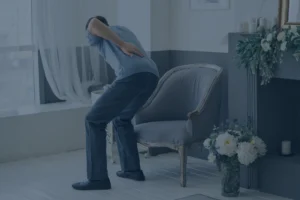
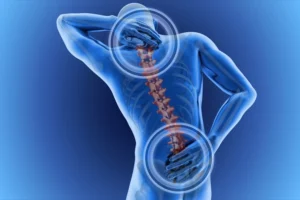
Back surgery can successfully correct a structural problem and still leave some patients with ongoing pain. That pain may include persistent lower back pain, radiating leg pain, numbness, tingling, burning, or other nerve-related symptoms.
Spinal cord stimulation does not undo a previous surgery or repair every structural problem in the spine. Instead, it works by changing how pain signals are transmitted through the nervous system.
At the Center for Regenerative Therapy & Pain Management, we provide pain management in New Jersey for patients dealing with persistent back, leg, and nerve pain after spine surgery.
Below, we explain what failed back surgery syndrome means, why pain may continue after surgery, how spinal cord stimulation can help, who may be a candidate, and why the SCS trial is such an important part of the process.
What Is Failed Back Surgery Syndrome?
Failed back surgery syndrome, or FBSS, is a term used to describe persistent or recurring pain after one or more spine surgeries.
Despite the name, it does not necessarily mean the surgery was performed incorrectly or that the procedure failed in every sense. A surgery may successfully address one structural issue while pain continues because of nerve irritation, scar tissue, degeneration, another pain generator, or changes elsewhere in the spine.
That is why persistent pain after surgery needs to be evaluated on its own rather than automatically being blamed on the original procedure.
What Does Pain After Back Surgery Feel Like?
Symptoms can vary depending on what is causing the ongoing pain.
Some people continue to have localized lower back pain. Others experience symptoms that feel more nerve-related, such as:
- Burning or shooting leg pain
- Sciatica-like pain
- Numbness
- Tingling
- Electrical sensations
- Pain that returns after an initial period of improvement
- Pain with standing or walking
- Reduced ability to perform normal daily activities
These nerve-related symptoms are particularly important when spinal cord stimulation is being considered because SCS is designed to influence pain signaling within the nervous system.
Why Can Pain Continue After Spine Surgery?
There are many reasons pain may continue after spine surgery.
Possible causes can include:
- Persistent nerve irritation or nerve damage
- Scar tissue around a nerve root
- A recurrent or new disc problem
- Degeneration at another spinal level
- Spinal stenosis
- Ongoing mechanical pain
- A different pain generator than originally suspected
The key point is that chronic pain after surgery should not automatically lead to spinal cord stimulation.
A physician first needs to evaluate whether there is another structural problem that can be corrected or whether the remaining symptoms are better managed through pain treatment.
Patients can also learn more about failed back surgery syndrome and why pain may persist after spine surgery.
How Does Spinal Cord Stimulation Help After Back Surgery?
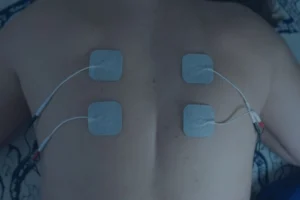
Spinal cord stimulation uses mild electrical impulses delivered near the spinal cord to change how pain signals are transmitted through the nervous system.
Rather than treating the painful structure directly, SCS is intended to influence the signals traveling toward the brain.
That is why spinal cord stimulation may be considered for certain patients who continue to have chronic nerve-related pain after spine surgery.
SCS Changes Pain Signals Rather Than Reversing Surgery
It is important to understand what spinal cord stimulation does and does not do.
SCS does not:
- Remove scar tissue
- Repair a damaged disc
- Reverse a spinal fusion
- Correct instability
- Repair every structural problem causing back pain
Its role is different.
Spinal cord stimulation targets the pain-signaling pathway. The electrical impulses are intended to alter how pain signals are processed before they are fully perceived by the brain.
That makes the treatment particularly relevant when the remaining problem is chronic neuropathic or nerve-related pain rather than a structural condition that clearly requires another operation.
Back Pain vs Leg Pain After Surgery
Not everyone with failed back surgery syndrome experiences the same symptoms.
Some people mainly have persistent lower back pain. Others have leg-dominant symptoms such as burning, shooting pain, tingling, or pain that radiates down the leg.
Some patients experience both.
Spinal cord stimulation has long been used for persistent neuropathic pain after spine surgery, especially radiating nerve-related symptoms. Modern spinal cord stimulation systems may also be considered for selected patients with chronic back pain.
However, that does not mean every type of back or leg pain responds equally well.
The underlying pain pattern and diagnosis still matter.
Why SCS May Be Considered Instead of Another Surgery
Another spine surgery is not automatically the next step when pain continues.
If imaging and evaluation identify a clear structural problem that can reasonably be corrected, another surgical opinion may be appropriate.
But sometimes no correctable problem is found, or the physician determines that another operation is unlikely to provide enough benefit.
In those situations, a pain management specialist may discuss other options, including spinal cord stimulation.
SCS can provide a treatment pathway for selected patients whose pain has continued despite medications, injections, rehabilitation, or previous surgery.
Who May Be a Candidate for SCS After Failed Back Surgery?
Not everyone with pain after spine surgery is automatically a candidate for spinal cord stimulation.
The decision depends on the type of pain, what is causing it, what treatments have already been tried, and whether another structural problem needs to be addressed first.
Your Pain Has Continued Despite Other Treatments
Spinal cord stimulation is generally considered after less invasive treatment options have not provided enough relief.
Previous treatments may include:
- Physical therapy
- Medications
- Epidural injections
- Nerve blocks
- Radiofrequency ablation when appropriate
- Rehabilitation
- Previous spine surgery
The goal is not to make patients go through every possible treatment before SCS can be discussed.
Instead, the treatment history helps the physician understand what has already been attempted, how the pain responded, and whether spinal cord stimulation is a reasonable next option.
Your Pain Has a Significant Nerve-Related Component
The type of pain is especially important.
Neuropathic pain may feel different from ordinary soreness or mechanical discomfort. Common descriptions include:
- Burning
- Shooting
- Electrical
- Tingling
- Radiating
- Pins-and-needles sensations
Persistent pain that travels into the leg after spine surgery may also suggest a nerve-related component.
Because spinal cord stimulation works by modifying pain signaling, patients with significant neuropathic symptoms may be more likely to have a reason to discuss SCS with a pain specialist.
That still does not mean symptoms alone determine candidacy. A full evaluation is necessary.
There Is No Clear Need for Corrective Surgery
Before moving toward spinal cord stimulation, physicians generally want to know whether another structural problem explains the ongoing symptoms.
For example, severe recurrent nerve compression, spinal instability, infection, or another surgically correctable issue may require a different type of treatment.
That is why imaging, previous surgical records, physical examination, and the patient’s current symptoms may all be reviewed.
SCS is generally considered when chronic pain remains a significant problem but another corrective surgery is not clearly the best next step.
Chronic Pain Is Affecting Daily Function
Pain intensity matters, but function matters too.
Doctors may want to know how pain affects your ability to:
- Walk
- Sit comfortably
- Sleep
- Work
- Exercise
- Drive
- Complete household tasks
- Participate in hobbies or social activities
A patient with persistent pain that significantly limits everyday life may have different treatment needs than someone with mild discomfort that has little effect on function.
The goal of SCS is not simply to lower a pain number. It is to help improve quality of life and function when appropriate.
Why the Spinal Cord Stimulator Trial Matters
One of the most important features of spinal cord stimulation is that patients usually have the opportunity to test the treatment before deciding on permanent implantation.
This is known as an SCS trial.
What Is an SCS Trial?
During a spinal cord stimulator trial, temporary leads are positioned near the spinal cord and connected to an external stimulation device.
The patient then uses the system for a limited period while monitoring how their pain and daily function respond.
The trial gives the patient and physician a chance to see how spinal cord stimulation works in real life before moving forward with a permanent implant.
What Are Doctors Looking for During the Trial?
The trial is not judged only by whether the patient’s pain score drops by a certain number.
Doctors may also look at practical improvements such as:
- Reduced pain intensity
- Improved walking
- Greater tolerance for movement
- Better sleep
- Increased ability to perform daily activities
- Reduced reliance on certain pain medications when appropriate
- Whether the stimulation itself feels manageable
For example, a patient may still have some pain but be able to walk farther, sleep better, or complete daily tasks more comfortably.
Those functional improvements can be meaningful when deciding whether treatment is helping.
What Happens If the Trial Works?
If the trial provides meaningful improvement, the physician may discuss permanent spinal cord stimulator implantation.
The trial gives both the patient and doctor more information about whether the treatment is worth pursuing.
A successful trial does not guarantee that permanent stimulation will produce exactly the same results over the long term. Pain conditions can change, and every patient responds differently.
Still, the trial provides valuable evidence before committing to a permanently implanted system.
What If the Trial Does Not Help Enough?
If the trial does not provide enough improvement, the temporary leads can be removed.
The physician can then reconsider the diagnosis, treatment goals, and other available options.
That is one of the important advantages of the trial process. Patients do not have to move directly from considering spinal cord stimulation to permanent implantation without first seeing how their symptoms respond.
What Does Permanent Spinal Cord Stimulation Involve?
If the trial provides meaningful benefit, the next step may be permanent spinal cord stimulator implantation.
A permanent system is designed to provide ongoing stimulation while allowing the treatment to be adjusted over time.
Implanting the System
A permanent spinal cord stimulation system generally includes:
- Thin leads positioned near the spinal cord
- An implanted pulse generator
- An external controller used to adjust therapy
The exact device, lead placement, and programming depend on the patient’s condition, pain pattern, and treatment plan.
The goal is to place the system where it can best influence the pain signals contributing to the patient’s symptoms.
Programming and Follow-Up
Spinal cord stimulation is not necessarily a “set it once and forget it” treatment.
After implantation, patients usually return for follow-up and programming. The stimulation settings can be adjusted based on how the pain responds and how the patient functions during everyday activities.
Some patients may need several adjustments before the settings are optimized.
Living With a Spinal Cord Stimulator
There are practical considerations after implantation.
These may include:
- Recovery while the incision heals
- Temporary activity restrictions
- Device charging, depending on the system
- Follow-up programming appointments
- MRI and imaging compatibility
- Travel considerations
- Returning to exercise and normal daily activities
Patients should follow the specific instructions provided for their device and procedure.
For a broader look at the treatment, see our guide to spinal cord stimulation.
What Benefits May SCS Offer for Failed Back Surgery Syndrome?
The goal of spinal cord stimulation is not to erase every symptom. It is to make chronic pain more manageable and help the patient function better.
Reduced Chronic Nerve Pain
For selected patients with failed back surgery syndrome, SCS may help reduce the intensity or disruptiveness of persistent nerve-related pain.
That can include burning, shooting, radiating, or electrical pain that continues after spine surgery.
The amount of relief varies from patient to patient, which is one reason the trial phase is so important.
Improved Daily Function
Pain relief matters most when it translates into better daily life.
A patient who responds well to SCS may find it easier to:
- Walk
- Sleep
- Work
- Exercise
- Sit or stand for longer periods
- Participate in normal household or social activities
Improved function is often just as important as a lower pain score.
Potentially Less Reliance on Pain Medication
Some patients who respond well to SCS may be able to reduce certain pain medications.
That should always happen under the direction of the prescribing physician.
Spinal cord stimulation does not automatically replace medication, and some patients may still need medication as part of their overall pain-management plan.
Avoiding Another Surgery in Selected Cases
If no correctable structural problem is found, spinal cord stimulation may give selected patients another way to manage pain without immediately pursuing additional major spine surgery.
That does not mean SCS can replace surgery when surgery is medically necessary.
If instability, severe compression, infection, or another structural problem needs correction, a different treatment may be more appropriate.
What Spinal Cord Stimulation Cannot Do
Understanding the limits of SCS is just as important as understanding its potential benefits.
It Does Not Repair Structural Damage
Spinal cord stimulation changes pain signaling.
It does not rebuild a damaged disc, reverse a fusion, remove scar tissue, or repair every structural problem in the spine.
If the source of pain requires structural correction, SCS may not address that underlying issue.
It Does Not Guarantee Complete Pain Relief
The goal is usually meaningful improvement, not necessarily zero pain.
A patient may still experience some symptoms even when the treatment is helping.
That is why success is often measured by a combination of pain relief, better function, improved sleep, and greater ability to complete daily activities.
It Is Not Appropriate for Every Type of Post-Surgical Pain
Pain after surgery can come from many different causes.
If symptoms are related to spinal instability, infection, severe nerve compression, or another problem that requires structural treatment, SCS may not be the right approach.
Persistent pain needs to be properly evaluated before neuromodulation is considered.
Results Differ Between Patients
Two people with similar surgical histories may respond very differently to spinal cord stimulation.
Results can depend on factors such as:
- The underlying diagnosis
- Type of pain
- Location of symptoms
- Trial response
- Previous treatments
- Overall health
- Functional goals
The temporary trial helps give doctors and patients a better sense of how useful the treatment may be before permanent implantation.
SCS vs Other Treatments for Pain After Back Surgery
Failed back surgery syndrome does not have one universal treatment.
The appropriate approach depends on what is actually causing the ongoing pain.
Epidural Steroid Injections
Epidural steroid injections may be considered when inflammation or irritation around a spinal nerve root is contributing to symptoms.
They are designed to reduce inflammation and may provide temporary relief in selected patients.
Nerve Blocks
Nerve blocks may be used for targeted pain relief or to help identify which nerve or structure is contributing to the pain.
Their role depends on the suspected pain generator.
Radiofrequency Ablation
Radiofrequency ablation may be appropriate when facet-mediated pain or another suitable nerve-mediated pain source has been identified.
It works by interrupting pain signals from specific targeted nerves.
Spinal Cord Stimulation
Spinal cord stimulation takes a different approach.
Rather than treating one irritated joint or nerve root directly, it modifies pain signaling within the nervous system.
That can make it useful when chronic neuropathic pain continues despite other treatments.
When Should You Consider SCS After Back Surgery?
It may be worth discussing spinal cord stimulation with a pain specialist if:
- Pain has continued well beyond the expected recovery period
- Burning, shooting, tingling, or radiating pain persists
- Conservative treatments have not provided enough relief
- Another spine surgery is not clearly indicated
- Pain is interfering with walking, sleep, work, or everyday activity
- You want to explore advanced pain-management options
These signs do not prove that someone is a candidate.
They simply suggest that an evaluation may be reasonable.
What Happens During an SCS Evaluation?
The evaluation is designed to answer two questions:
What is causing the pain now, and is spinal cord stimulation a reasonable way to treat it?
Review of Your Surgery and Current Symptoms
Your physician may review:
- What spine surgery was performed
- Why the surgery was needed
- Whether symptoms initially improved
- When the current pain began
- Where the pain is located
- How current symptoms compare with symptoms before surgery
This helps determine whether the current pain is a continuation of the original problem or something different.
Imaging and Prior Records
Previous MRI or CT scans, operative reports, and other medical records may be reviewed.
These records can help determine whether another structural issue needs attention before SCS is considered.
Previous Pain Treatments
Your doctor will also want to know what you have already tried.
That may include physical therapy, medications, injections, nerve blocks, radiofrequency ablation, rehabilitation, and other procedures.
How you responded to each treatment can provide useful clues.
Overall Health and Treatment Goals
The evaluation also includes your general health, medications, medical history, expectations, and functional goals.
For example, one patient may want to walk farther without severe leg pain, while another may want to sleep through the night or return to work.
Those goals help define what meaningful improvement would look like.
Deciding Whether to Proceed With a Trial
If the physician believes SCS may be appropriate, the next major step is typically a temporary trial.
The trial gives the patient a chance to experience the therapy before deciding whether permanent implantation makes sense.
Questions to Ask About Spinal Cord Stimulation After Back Surgery
Before moving forward, consider asking:
- What do you believe is causing my pain now?
- Is there another structural problem that needs treatment?
- Is my pain primarily nerve-related?
- Why are you recommending SCS instead of another procedure?
- What should I expect during the trial?
- How will we determine whether the trial is successful?
- What level of improvement is realistic?
- What happens if the trial does not work?
- What are the risks of permanent implantation?
- What follow-up and programming will I need?
These questions can help you understand not only what the procedure involves, but why it is being recommended for your specific situation.
Is Spinal Cord Stimulation Right for Failed Back Surgery Syndrome?
Spinal cord stimulation can be an important option for selected people with failed back surgery syndrome, particularly when persistent nerve-related pain continues despite previous treatment and no correctable structural problem clearly explains the symptoms.
The decision should be based on the diagnosis, type of pain, previous treatments, imaging, overall health, functional goals, and response to the temporary SCS trial.
If pain continues after back or spine surgery, the Center for Regenerative Therapy & Pain Management can evaluate your symptoms and help you explore appropriate pain management treatments in New Jersey.
Schedule an appointment to discuss whether spinal cord stimulation or another treatment may be appropriate for persistent pain after back surgery.