
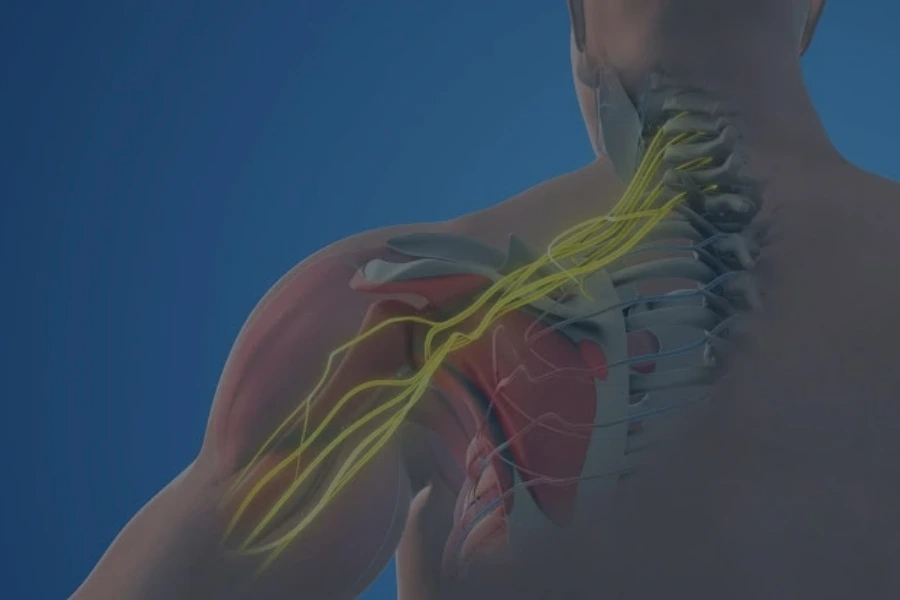
A muscle that suddenly starts twitching can be distracting, especially when it keeps happening in the same arm, leg, hand, or foot.
If you already have back pain, neck pain, numbness, or tingling, it is natural to wonder whether a pinched nerve could be causing both problems.
Yes, a pinched or irritated nerve can sometimes contribute to muscle twitching, particularly when the affected nerve also controls muscle movement. However, muscle twitching has many other causes, and twitching by itself does not prove that a nerve is compressed.
Nerves carry both sensory and motor information. When a nerve becomes irritated or compressed, it can affect pain, sensation, strength, and sometimes the way nearby muscles behave.
When twitching occurs along with radiating pain, numbness, tingling, or weakness, pain management in New Jersey can help determine whether spinal nerve irritation or another problem may be contributing.
Can a Pinched Nerve Cause Muscle Twitching?
Yes, it can happen, but it is not one of the most typical symptoms of a pinched nerve.
A compressed spinal nerve root is more commonly associated with:
- Radiating pain
- Numbness
- Tingling
- Pins and needles
- Muscle weakness
- Changes in reflexes
Muscle twitching may occur when abnormal nerve activity affects the motor signals being sent to a muscle.
The important point is that doctors do not diagnose nerve compression based on twitching alone. They look at the complete pattern of symptoms.
For example, twitching in one calf along with lower back pain, numbness in the foot, and weakness in the leg would raise different concerns than an occasional calf twitch after exercise.
How Can a Nerve Problem Affect a Muscle?
Nerves do much more than carry pain signals.
Motor nerves communicate with muscles and help control movement. They tell muscles when to contract and help coordinate strength and motion.
When a nerve root or peripheral nerve becomes irritated, compressed, or damaged, the muscles supplied by that nerve may also be affected.
Possible motor symptoms can include:
- Muscle weakness
- Reduced coordination
- Cramping
- Abnormal muscle contractions
- Visible twitching in some cases
The exact symptoms depend on which nerve is involved and how significantly its function is affected.
This Is Where Myotomes Matter
Different spinal nerve roots contribute to different muscle movements.
These patterns are known as myotomes.
For example, one nerve root may contribute more to lifting the foot, while another helps control knee extension or certain arm movements.
If weakness or abnormal muscle function follows a recognizable pattern, it may help a doctor narrow down which nerve root could be involved.
What is a Muscle Twitch?
A muscle twitch, also called a fasciculation, is a small involuntary contraction involving part of a muscle.
You may actually see the muscle move underneath the skin.
A twitch may:
- Last only a few seconds
- Come and go repeatedly
- Occur while the muscle is relaxed
- Affect one small area
- Feel like a flutter or jumping sensation
Many muscle twitches are harmless and temporary.
The significance depends largely on what other symptoms occur with them.
Muscle Twitch vs Muscle Spasm
A twitch and a muscle spasm are not exactly the same thing.
A muscle twitch usually involves a small portion of the muscle and may not hurt at all.
A muscle spasm or cramp usually involves a stronger contraction and may affect more of the muscle. It can also be painful.
Someone may describe both as the muscle “jumping,” but the intensity and amount of muscle involved can be different.
What Does Twitching From Nerve Irritation Feel Like?
There is no specific type of twitching that can confirm a pinched nerve.
Instead, the surrounding symptoms provide more useful clues.
Nerve involvement may be more important to consider when twitching occurs alongside:
- Pain traveling down an arm or leg
- Burning sensations
- Tingling
- Numbness
- Muscle weakness
- Changes in grip strength
- Difficulty lifting the foot
- Symptoms following a consistent area of the body
The combination matters more than the twitch itself.
Location Can Provide Clues
Where the twitching occurs may help provide context.
A nerve problem in the neck may affect muscles in the:
- Shoulder
- Upper arm
- Forearm
- Hand
A nerve problem in the lower back may affect muscles in the:
- Thigh
- Calf
- Ankle
- Foot
That does not mean every twitch in those areas comes from the spine.
But if twitching follows the same side or region as pain, numbness, tingling, or weakness, nerve involvement becomes more relevant.
Can a Pinched Nerve in the Neck Cause Arm or Hand Twitching?
Potentially.
A compressed or inflamed cervical nerve root can affect both sensation and muscle function in the arm or hand.
Typical symptoms of cervical radiculopathy may include:
- Neck pain
- Shoulder or arm pain
- Tingling
- Numbness
- Muscle weakness
- Changes in reflexes
Twitching can sometimes occur as part of abnormal motor nerve activity, but it is not enough by itself to diagnose cervical radiculopathy.
It becomes more meaningful when it occurs with symptoms such as:
- Hand tingling
- Numb fingers
- Grip weakness
- Arm weakness
- Pain traveling from the neck into the shoulder or arm
Our guide to cervical radiculopathy symptoms explains those patterns in greater detail.
Can a Pinched Nerve in the Lower Back Cause Leg Twitching?
It may.
Compression of a lumbar or sacral nerve root can affect both sensory and motor function in the leg.
Common causes of lower back nerve compression may include:
- Herniated discs
- Spinal stenosis
- Degenerative changes
- Bone spurs
Someone with lumbar nerve irritation may experience radiating leg pain, numbness, tingling, or weakness.
Muscle twitching may occasionally occur as well.
Twitching Plus Leg Weakness Matters More
An occasional twitch by itself is usually much less concerning than twitching accompanied by weakness.
Pay closer attention when twitching occurs with:
- A leg that feels weak
- Difficulty lifting the foot
- Trouble pushing off while walking
- Numbness
- Radiating pain
Those symptoms may suggest that the nerve is affecting motor function as well as sensation.
Does Muscle Twitching Always Mean There Is a Nerve Problem?
No.
Muscle twitching is common and can occur without nerve compression or neurological disease.
Possible triggers include:
- Stress
- Lack of sleep
- Caffeine
- Anxiety
- Strenuous exercise
- Muscle fatigue
- Alcohol
- Recent illness
Many people experience harmless muscle twitching from time to time.
Occasional Twitching Can Be Harmless
Context matters.
A calf twitch after a hard workout is very different from persistent twitching in one leg accompanied by increasing weakness and numbness.
An eyelid twitch after several nights of poor sleep is also very different from muscle twitching combined with loss of strength.
The presence of additional neurological symptoms is what makes twitching more important to evaluate.
Can Dehydration or Electrolytes Cause Muscle Twitching?
Yes.
Not every twitch comes from a nerve problem.
Dehydration, electrolyte imbalance, fatigue, and heavy exercise can all affect how muscles contract.
Potential contributors include:
- Dehydration
- Electrolyte changes
- Muscle fatigue
- Heavy exercise
- Stress
These factors may be especially relevant when twitching occurs after activity and there are no other symptoms such as radiating pain, numbness, or weakness.
Persistent or unexplained twitching still deserves attention if it continues.
How Can You Tell If Twitching Is Coming From a Pinched Nerve?
There is no reliable home test that can confirm whether twitching is caused by nerve compression.
Doctors look for patterns.
Symptoms That May Support Nerve Involvement
Nerve compression may become more likely when twitching occurs with:
- Radiating pain
- Numbness
- Tingling
- Muscle weakness
- Symptoms affecting one specific arm or leg
- Symptoms following a recognizable nerve pattern
For example, lower back pain with tingling down the leg, weakness in the foot, and twitching in the same leg creates a very different picture than isolated twitching alone.
Symptoms That May Point Elsewhere
Isolated twitching without pain, sensory changes, or weakness can have many other causes.
That does not mean it should always be ignored.
It simply means twitching by itself does not provide enough information to identify the cause.
How Do Doctors Evaluate Muscle Twitching and Possible Nerve Compression?
A doctor usually starts by looking at the full symptom pattern.
That includes where the twitching occurs, how long it has been happening, and whether there are other neurological symptoms.
Physical and Neurological Exam
A physician may evaluate:
- Muscle strength
- Reflexes
- Sensation
- Range of motion
- Where pain or tingling travels
- Which movements reproduce symptoms
- Whether there is visible muscle loss
These findings can help determine whether the problem appears neurological, muscular, or related to another cause.
MRI
MRI may be useful when a structural spinal problem is suspected.
Imaging can help identify conditions such as:
- Herniated discs
- Spinal stenosis
- Foraminal narrowing
- Other structures that may compress a nerve root
However, MRI shows anatomy. It does not always show exactly how well a nerve is functioning.
EMG and Nerve Conduction Testing
EMG and nerve conduction testing can provide additional information about nerve and muscle function.
These tests may help doctors determine whether symptoms are related to:
- Radiculopathy
- Peripheral nerve problems
- Muscle disorders
- Other neurological conditions
This is especially useful when weakness, twitching, numbness, or other neurological symptoms do not fully match imaging findings.
When Should Muscle Twitching Be Evaluated?
Occasional isolated twitching is common.
Evaluation becomes more important when twitching:
- Keeps happening in the same area
- Is becoming more frequent
- Occurs with significant pain
- Occurs with numbness or tingling
- Occurs with muscle weakness
- Affects walking or grip strength
- Is accompanied by visible muscle loss
Persistent twitching plus weakness deserves more attention than twitching alone.
When Neurological Symptoms Need Prompt Attention
Prompt medical evaluation is appropriate when there is:
- New or rapidly worsening weakness
- Significant loss of sensation
- Increasing difficulty walking
- New bowel or bladder problems with back or leg symptoms
These symptoms may indicate more significant nerve involvement and should not be ignored.
How is Twitching From a Pinched Nerve Treated?
Treatment depends on whether nerve compression is actually causing the twitching.
If an irritated or compressed nerve root is responsible, care focuses on addressing the underlying problem.
Depending on the diagnosis, treatment may include:
- Activity modification
- Physical therapy
- Medication
- Targeted injections
- Other pain management treatments
- Surgical evaluation in certain cases of significant neurological impairment
Many pinched nerves improve with conservative treatment.
More significant or persistent nerve compression may require additional evaluation.
Treat the Cause, Not Just the Twitch
If a muscle is twitching because an irritated nerve is sending abnormal signals, focusing only on the twitch does not address the real problem.
The important question is why the nerve is irritated in the first place.
That may mean identifying a herniated disc, spinal stenosis, another form of nerve compression, or an entirely different cause.
Muscle Twitching Can Have Many Causes
A pinched nerve can sometimes contribute to muscle twitching, particularly when nerve irritation affects motor signals to the muscle. However, twitching alone is not a reliable sign of nerve compression.
Pain, numbness, tingling, weakness, reflex changes, and the location of symptoms usually provide much more useful clues.
Occasional twitching may also happen for relatively harmless reasons such as exercise, stress, lack of sleep, or caffeine.
Persistent twitching accompanied by weakness, sensory changes, or radiating pain deserves a closer evaluation.
If muscle twitching occurs alongside radiating pain, numbness, tingling, or weakness, pain treatment services in New Jersey can help determine whether nerve compression or another condition may be contributing.