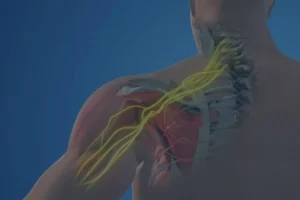
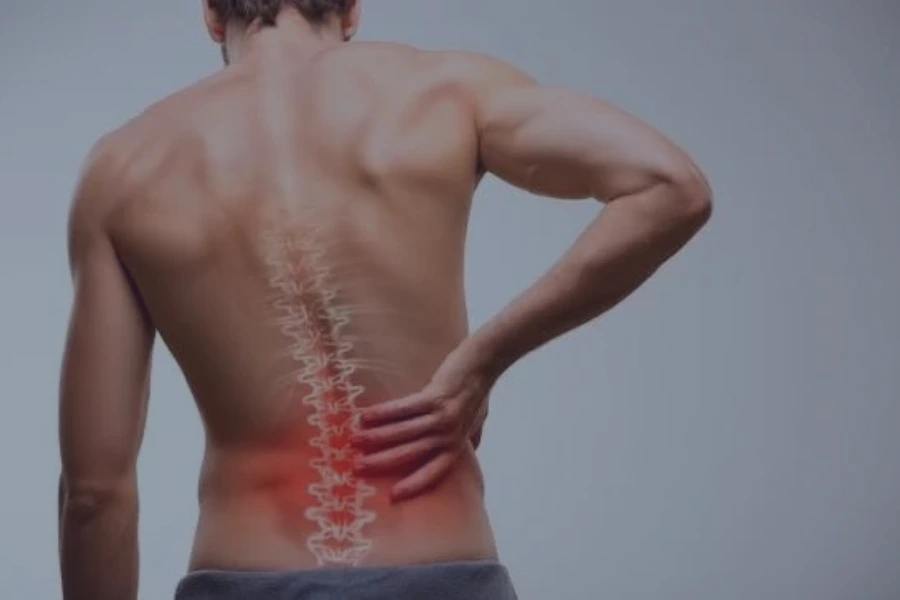
You hurt your back, knee, shoulder, or another part of your body, and suddenly the muscles around it feel unusually tight.
You may start moving more slowly, bracing before certain movements, or feeling like your body refuses to relax even after the original injury starts improving.
Muscle guarding is a protective response in which the nervous system changes muscle activity and movement to help protect an area that hurts or feels threatened.
In the short term, that response can be useful. It may help you avoid movements that increase pain or place more stress on an injured area. But when guarding continues for too long, it can begin to limit normal movement and make recovery more difficult.
When muscle tightness, stiffness, and pain continue to reinforce one another, pain management treatments in New Jersey can help identify the original pain source and determine what may be keeping the area guarded.
What Is Muscle Guarding?
Muscle guarding happens when the nervous system changes the way muscles contract or the way you move in an effort to protect a painful or threatened area.
It may look like:
- Holding one area stiff
- Bracing before movement
- Moving more slowly
- Avoiding certain ranges of motion
- Keeping muscles constantly tense
- Shifting weight away from the painful side
This is not always something you consciously choose to do.
Guarding Is Often Automatic
The body can begin guarding before you even realize it.
If a movement has hurt several times, the nervous system may start preparing for that movement by tightening certain muscles or reducing how far you move.
For example, someone with lower back pain may brace the abdomen and trunk before bending forward.
Someone with shoulder pain may tighten the surrounding muscles before reaching overhead.
The body is essentially trying to reduce the chance of experiencing more pain.
Why Does Pain Make Muscles Tighten?
Pain can change movement very quickly.
When the nervous system senses pain or potential threat, it may reduce movement around the area in an attempt to protect it.
One way it does that is by changing muscle activity.
The body may:
- Increase muscle tension
- Reduce movement
- Change coordination
- Shift load to other muscles
- Avoid movements associated with pain
Immediately after an injury, these changes can be helpful.
If you badly twist your knee, for example, moving more cautiously for a short period may protect sensitive tissues while they recover.
The problem is that the protective response does not always switch off as quickly as the original injury improves.
Is Muscle Guarding the Same as a Muscle Spasm?
Not exactly.
The two can occur together, but they describe different things.
Muscle Guarding
Muscle guarding is a broader protective response.
It may involve:
- Constant muscle tension
- Bracing
- Stiffness
- Hesitation during movement
- Reduced range of motion
A person may feel like an area is always tight or difficult to relax.
Muscle Spasm
A muscle spasm is a more distinct involuntary contraction of a muscle or muscle group.
It may feel sudden and can sometimes be painful.
Someone can guard an area without experiencing noticeable spasms.
A painful spasm can also make someone start guarding afterward because they become cautious about triggering it again.
What Does Muscle Guarding Feel Like?
Muscle guarding does not always feel dramatic.
Sometimes it simply feels like an area never fully relaxes.
Possible signs include:
- Tight or tense muscles
- Stiffness
- Difficulty relaxing the area
- Limited range of motion
- Pain during movement
- Feeling like the body is bracing
- Moving slowly or cautiously
- Increased tension before certain movements
You May Notice It Before the Movement Happens
One of the more interesting features of guarding is that it can happen before a painful movement even begins.
You may brace your lower back before bending down because you expect it to hurt.
You may raise your shoulder or tighten the neck before turning your head.
You may stiffen the knee before going down stairs.
The nervous system is anticipating the movement and trying to protect you before the painful sensation actually happens.
What Parts of the Body Can Develop Muscle Guarding?
Muscle guarding can occur around almost any painful area.
Lower Back
Back pain commonly changes the way people move.
Someone may stiffen the trunk, reduce spinal movement, or keep the abdominal and back muscles more active than usual.
This can make bending, twisting, standing up, or walking feel less natural.
Neck and Shoulders
Neck pain may cause someone to limit head movement or hold the shoulders tense.
Over time, that can make the area feel even stiffer.
Knees and Legs
A painful knee can cause someone to shift weight away from one side or keep the surrounding muscles tense.
That altered movement may affect walking, stairs, or standing from a chair.
After Surgery or Injury
Guarding is also common after surgery or an injury.
The body may initially limit movement because the area is sensitive and recovering.
As healing progresses, those protective movement patterns may need to gradually return toward normal.
Is Muscle Guarding Helpful?
Initially, it can be.
The nervous system is trying to protect something that hurts.
Immediately after an injury, reducing movement may prevent additional irritation and give sensitive tissues time to recover.
The Problem Is When Guarding Persists
Guarding becomes less helpful when the protective response continues after it is no longer necessary.
Persistent guarding may:
- Reduce normal movement
- Increase stiffness
- Change how forces move through the body
- Encourage other muscles to compensate
- Make certain movements feel increasingly threatening
- Limit everyday activity
The body can eventually become very good at protecting a movement that may no longer require that level of protection.
Can Muscle Guarding Make Pain Worse?
It can contribute to an ongoing pain cycle.
That does not mean muscle guarding is always the main cause of persistent pain.
But it can become one piece of the problem.
A common cycle may look like this:
- Movement hurts
- The body tightens and moves differently
- Normal movement decreases
- Other muscles begin compensating
- Movement becomes stiffer or less efficient
- Pain reinforces even more guarding
Over time, someone may begin avoiding activities they are actually capable of doing because the body has learned to associate those movements with pain.
That can make it harder to regain normal movement.
Can Anxiety or Fear of Movement Affect Muscle Guarding?
Yes.
Pain itself can trigger guarding, but expecting pain can also affect how someone moves.
If you believe a movement is going to hurt, you may brace before doing it.
That can happen even if the movement itself is safe.
Expecting Pain Can Change How You Move
Someone who expects bending to hurt may stiffen the back before bending.
Someone who had severe knee pain on stairs may tense the leg before every step.
Someone with neck pain may turn the entire upper body instead of moving the neck normally.
That does not mean the pain is imagined.
It means the nervous system can change movement based on both actual pain and the expectation of pain.
What Is the Difference Between Muscle Guarding and Muscle Weakness?
Muscle guarding can sometimes make an area feel weak, but guarding and true weakness are not the same thing.
Guarding May Limit Effort
When an area hurts, the nervous system may reduce how much force you are willing or able to produce.
You may feel like the muscle is weak when the body is actually limiting the movement because it feels painful or unsafe.
True Weakness May Have Another Cause
Actual muscle weakness can also occur because of:
- Nerve compression
- Muscle injury
- Neurological problems
- Deconditioning
- Other medical conditions
For example, a compressed spinal nerve may affect the motor signals sent to a muscle.
That is different from simply avoiding force because the movement hurts.
Is Muscle Guarding the Same as Pain Sensitization?
No.
The two can occur together, but they describe different processes.
Muscle guarding describes a movement and muscle response to pain or perceived threat.
Pain sensitization describes changes in how strongly the nervous system responds to sensory or pain signals.
Someone may have increased pain sensitivity and also guard the painful area.
But one term should not be used as a substitute for the other.
Our guide to pain sensitization explains that process in more detail.
How Do Doctors or Physical Therapists Identify Muscle Guarding?
There is usually no single test that confirms muscle guarding.
Instead, clinicians look at how the person moves.
They may watch for:
- Stiff or hesitant movement
- Bracing
- Reduced range of motion
- Avoidance of certain movements
- Uneven movement from side to side
- Increased muscle tension
- Compensatory movement patterns
They may also examine the painful area to understand what originally triggered the guarding.
That part is important because muscle guarding is usually a response to another problem rather than the entire diagnosis itself.
What Conditions Can Cause Muscle Guarding?
Muscle guarding may occur with many different pain conditions.
Examples include:
- Muscle strains
- Joint injuries
- Back pain
- Neck pain
- Arthritis
- Disc problems
- Pain after surgery
- Pain following trauma
- Persistent musculoskeletal pain
The presence of guarding does not identify one specific condition.
It simply tells us that the body may be protecting an area because it feels painful or unsafe.
How is Muscle Guarding Treated?
Treatment depends on why the area is being guarded.
The first step is usually understanding the underlying pain source or injury.
Depending on the situation, treatment may involve:
- Gradually restoring comfortable movement
- Physical therapy
- Appropriate strengthening
- Improving mobility
- Pain management
- Treating an underlying joint, disc, or nerve problem
- Addressing fear or avoidance when it is limiting movement
The goal is usually not to force the muscle to relax.
It is to help restore normal movement while addressing whatever is keeping the area sensitive.
Simply Stretching the Tight Muscle May Not Solve the Problem
Stretching may help in some situations, but persistent guarding is not always a simple flexibility problem.
If the nervous system is keeping a muscle tense because it believes the area needs protection, aggressively stretching that muscle may not address why the tension exists.
The original pain source and movement pattern may need attention first.
How Can You Break the Pain and Guarding Cycle?
The right approach depends on the underlying condition, but recovery often focuses on gradually restoring comfortable movement.
That may involve:
- Identifying movements that trigger guarding
- Reintroducing movement gradually
- Building strength and confidence
- Reducing unnecessary bracing
- Treating the original pain source
- Avoiding prolonged inactivity when medically appropriate
The goal is not to force the body to relax.
It is to help the nervous system become more comfortable with normal movement again.
When Should Persistent Muscle Tightness Be Evaluated?
Consider getting persistent tightness or guarding evaluated when it:
- Lasts for weeks
- Keeps returning
- Significantly limits movement
- Prevents normal activity
- Occurs with ongoing back or neck pain
- Continues after an injury should be improving
- Is accompanied by numbness or tingling
- Occurs with muscle weakness
When Symptoms Need More Prompt Attention
Prompt medical evaluation is appropriate when pain or stiffness occurs with:
- New or worsening weakness
- Significant numbness
- Loss of bowel or bladder control
- Major trauma
- Fever with significant pain
These symptoms can indicate a problem that needs more immediate evaluation.
Muscle Guarding Is the Body Trying to Protect You
Muscle guarding is a protective response in which the nervous system changes muscle activity and movement around an area that hurts or feels threatened.
In the short term, that response may be useful.
When guarding continues for too long, however, it may contribute to stiffness, restricted movement, compensation, and an ongoing cycle of pain and protection.
The goal is not simply to loosen a tight muscle.
It is to understand why the body is guarding in the first place and address the underlying problem.
If persistent muscle tightness, stiffness, or guarding is limiting how you move, pain management services in New Jersey can help identify the underlying pain source and determine what treatment may help restore more comfortable movement.