What is pain sensitization? Pain sensitization happens when the nervous system becomes more reactive to pain signals.
When this happens, pain can feel stronger than expected. It may last longer than the original injury. Normal movement, pressure, or touch may feel uncomfortable even when there is no clear new damage.
That does not mean the pain is imaginary. Pain sensitization involves real changes in how the brain, spinal cord, and nerves process pain. The nervous system may be “turned up” or overprotective.
This can be frustrating because the pain may feel bigger than the injury, harder to predict, or easier to trigger. The key is understanding that both pieces matter: finding the source of the pain and calming the pain system.
If chronic pain or nerve sensitivity is affecting your daily life, The Center for Regenerative Therapy and Pain Management offers pain management treatments in New Jersey to help evaluate your symptoms and explore your options.
How Pain Sensitization Works
The nervous system becomes more alert
The brain, spinal cord, and nerves all help process pain signals.
When you are injured, inflamed, stressed, sleep-deprived, or dealing with ongoing pain, the nervous system may become more sensitive. Pain signals may feel louder. Symptoms may become easier to trigger. The body may stay in protection mode longer than it needs to.
This can happen after an injury, surgery, repeated flare-ups, nerve irritation, chronic inflammation, or long-term pain. Over time, the nervous system may start reacting faster and stronger to signals that used to feel manageable.
Pain as an alarm system
Pain is meant to protect you.
It warns you when something may be wrong, injured, overloaded, or unsafe. In that way, pain works like an alarm system.
But sometimes the alarm becomes too sensitive. A minor trigger can create a major pain response. A movement that is not dangerous may still feel painful. Light pressure may feel irritating. Normal daily activity may cause a flare-up.
Think of it like a smoke alarm going off from steam instead of fire. The alarm is real, but it may be reacting too strongly.
Acute pain vs. sensitized pain
Acute pain usually matches a short-term injury or problem. You sprain an ankle, pull a muscle, or irritate a joint, and the pain helps you protect the area while it heals.
Sensitized pain can be different. It may continue after tissues have healed. It may spread beyond the original area. It may flare easily or feel out of proportion to the activity.
Both are real physical experiences. The difference is that sensitized pain often involves a nervous system that has become more reactive, not just a single injured tissue.
Why Pain Can Feel Bigger Than the Injury
The body learns pain patterns
The nervous system can learn pain.
Repeated pain signals can train the brain and nerves to react faster. After enough flare-ups, the body may become better at detecting pain, even when the trigger is small.
This can happen after injuries, surgery, chronic inflammation, nerve irritation, or ongoing pain conditions. Past flare-ups may make future flare-ups easier to trigger because the nervous system remembers the pattern.
That does not mean you are choosing the pain. It means your body may have learned to protect you too aggressively.
The pain threshold can drop
Pain sensitization can lower your pain threshold.
That means less pressure, movement, or irritation may cause pain. Normal activity may feel harder. Small aches may feel intense. Pain may start sooner and last longer than expected.
This is why a task that used to feel easy may suddenly feel like too much. It is also why symptoms may flare after basic daily activities like walking, sitting, standing, cleaning, or sleeping in the wrong position.
Stress and poor sleep can amplify sensitivity
Stress and poor sleep can make pain sensitization worse.
Stress keeps the nervous system activated. Poor sleep lowers tolerance and slows recovery. Anxiety, fatigue, and muscle tension can make pain feel stronger.
Pain sensitization is rarely caused by one thing alone. It is often affected by multiple factors, including the original pain source, sleep quality, stress levels, inflammation, activity habits, and how long symptoms have been going on.
Common Signs of Pain Sensitization
Pain feels stronger than expected
One sign of pain sensitization is pain that feels out of proportion to the activity.
You may feel intense pain even without a clear new injury. A normal movement, short walk, light chore, or regular workday may trigger symptoms that feel stronger than expected.
This can be confusing because it may seem like your body is overreacting. In a way, it may be. The nervous system may be responding as if the body is in more danger than it actually is.
Pain spreads or moves
Sensitized pain may also spread or move.
Pain may start in one area and then spread nearby. The body may feel generally sore, tense, or reactive. The pain location may become harder to pinpoint.
For example, back pain may start in one spot and later feel like hip, buttock, or leg discomfort. Neck pain may spread into the shoulders, upper back, or head. This does not always mean a new injury happened. Sometimes it means the pain system is more sensitive.
Normal touch or movement feels painful
Pain sensitization can make normal sensations feel uncomfortable.
Light pressure may hurt. Clothing, bedsheets, or gentle touch may feel irritating. Movements that used to be easy may suddenly feel painful or threatening.
This can make people avoid movement, which is understandable. But over time, avoiding too much activity can lead to more stiffness, weakness, and fear around movement.
Flare-ups happen easily
With pain sensitization, flare-ups may happen more easily.
Common triggers can include stress, poor sleep, weather changes, activity changes, sitting too long, doing too much, or not moving enough.
This can feel unfair because both overactivity and underactivity may cause symptoms. Many people describe this as feeling like their body has a smaller window of tolerance than it used to.
Conditions Where Pain Sensitization May Play a Role
Chronic back and neck pain
Pain sensitization can play a role in chronic back and neck pain.
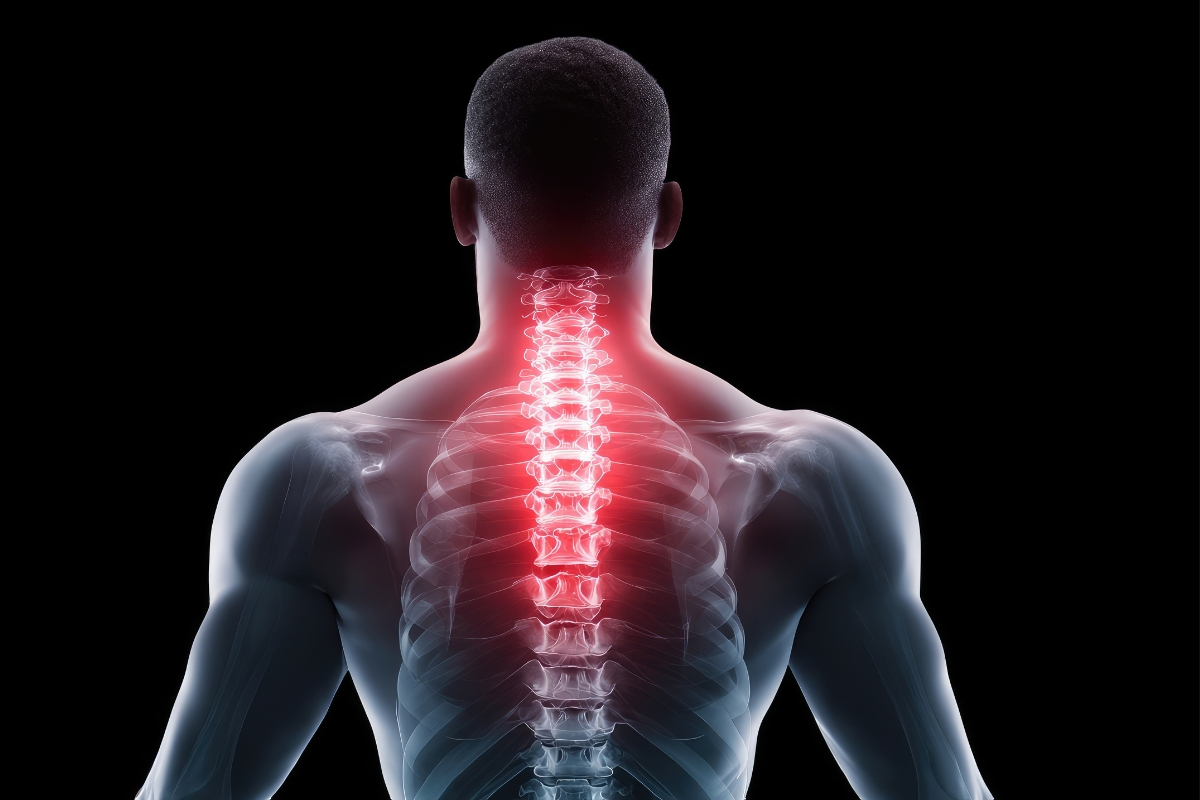
Long-term spine pain can make the nervous system more reactive. Pain may continue even when imaging does not fully explain the intensity of symptoms. Back and neck pain may also flare with stress, sleep loss, posture, sitting, standing, or activity.
This does not mean nothing is wrong. It means the pain may involve both a physical pain source and a more sensitive nervous system.
Nerve pain
Nerve irritation can make pain feel burning, electric, tingling, sharp, or shooting.
When nerves become sensitized, they may respond strongly to normal movement, pressure, or position changes. Symptoms may feel easier to trigger and harder to calm down.
Nerve-related pain should be evaluated, especially when it comes with numbness, tingling, weakness, or pain that travels into the arm or leg.
Fibromyalgia-type pain
Pain sensitization may also be involved in fibromyalgia-type symptoms.
These can include widespread pain, fatigue, tenderness, sleep problems, and higher pain sensitivity. People may feel sore in many areas or feel like their body reacts strongly to pressure, stress, poor sleep, or activity.
A careful evaluation can help determine whether symptoms are related to fibromyalgia, another chronic pain condition, nerve irritation, inflammation, or multiple factors.
Pain after injury or surgery
Most pain improves as healing occurs.
But some people develop ongoing pain sensitivity after an injury, surgery, or major flare-up. The original tissue may heal, but the nervous system may remain more reactive.
Persistent pain after an injury or procedure should be evaluated. The goal is to determine whether there is ongoing tissue irritation, nerve involvement, inflammation, scar-related sensitivity, or pain sensitization.
Pain Sensitization vs. Ongoing Tissue Damage
Pain does not always equal damage
Pain is a warning signal, not a perfect damage meter.
High pain does not always mean severe injury. Low pain does not always mean there is no problem. The nervous system decides how much danger it thinks the body is in, and sometimes that warning system becomes too sensitive.
This is why medical evaluation matters. A provider can help separate sensitization from active injury, nerve compression, joint damage, inflammation, or another condition that needs direct treatment.
Why this distinction matters
This distinction matters because people often react to pain by avoiding movement.
That makes sense. If something hurts, you want to protect it. But too much rest can increase stiffness, weakness, and fear of movement. At the same time, ignoring a true injury or pushing through severe symptoms is also risky.
The right plan balances safety, movement, and treatment. It should protect the body when needed while also helping the nervous system become less reactive over time.
What Can Make Pain Sensitization Worse?
Repeated flare-ups
Repeated flare-ups can keep the nervous system on alert.
If a pain generator is still irritated, it may continue sending signals that feed sensitivity. Over time, the body may become quicker to react and slower to calm down.
This is why identifying the source matters. If there is an untreated joint, nerve, disc, muscle, or inflammatory problem, calming the nervous system may be harder.
Fear of movement
Fear of movement can also make sensitization worse.
When people worry that every painful movement means damage, the body may guard, tighten, and brace more often. This can increase muscle tension and make movement feel even harder.
Avoiding movement for too long may reduce strength, confidence, and conditioning. Safe, gradual movement can help retrain the system over time.
Poor sleep
Sleep helps regulate pain processing.
When sleep is poor, the nervous system may become more reactive. Pain often feels worse after a bad night because the body has had less time to recover and reset.
Poor sleep can also increase stress, fatigue, and muscle tension, which can make flare-ups easier to trigger.
Chronic stress
Chronic stress can keep the body in a high-alert state.
Stress hormones, muscle tension, nervous system activation, and pain amplification can all play a role. If the body is constantly bracing for danger, pain signals may feel louder.
Stress does not mean pain is imaginary. It means the nervous system and body are connected, and chronic stress can make pain harder to manage.
What Can Help Calm a Sensitized Pain System?
Identify the pain source
A sensitized nervous system may still have a physical pain generator.
The source may involve joints, discs, nerves, muscles, inflammation, or another condition. Treating the source can reduce ongoing pain signals and help the nervous system settle.
That is why a full evaluation matters. The goal is not to blame everything on sensitivity. The goal is to understand what is feeding the pain and how to address it.
Gradual movement
Gradual movement can help calm a sensitized pain system.
This may include gentle walking, stretching, mobility work, or strengthening within tolerance. The key is to avoid boom-and-bust cycles where you do too much on a good day, flare up, rest completely, and then repeat the pattern.
Small, consistent movement can help rebuild confidence and teach the nervous system that normal activity is safe.
Better sleep and stress management
Sleep and stress management can also help reduce pain sensitivity.
A consistent sleep routine may help the body recover and regulate pain signals. Relaxation techniques, breathing exercises, and pacing daily activities may help reduce nervous system overload.
Mental health support can also be helpful when pain has created fear, frustration, anxiety, or depression. This does not mean pain is psychological. It means pain affects the whole person, and support can make the system less reactive.
Education and reassurance
Understanding pain can reduce fear.
When you know that pain sensitization is real, it can be easier to stop assuming every flare-up means new damage. Patients can learn patterns, triggers, limits, and recovery strategies.
Progress may be gradual. The goal is not to force the body to ignore pain. The goal is to help the nervous system become less overprotective while also treating any real pain source that is still active.
When Should You See a Pain Management Specialist?
You should consider seeing a pain management specialist if pain lasts more than a few weeks, keeps returning, or feels stronger than expected.
Pain that spreads, becomes harder to pinpoint, or affects sleep, work, walking, exercise, or daily life should also be evaluated. Numbness, tingling, burning, or weakness may suggest nerve involvement and should not be ignored.
You may also benefit from a specialist if conservative care is not helping, if you are avoiding normal activities because of pain, or if you are unsure whether symptoms are coming from injury, nerves, joints, inflammation, or sensitization.
The Center for Regenerative Therapy and Pain Management sees patients in Shrewsbury and Toms River, helping people better understand their symptoms and explore treatment options based on the source of their pain.
Frequently Asked Questions About Pain Sensitization
What is pain sensitization?
Pain sensitization happens when the nervous system becomes more reactive to pain signals, making pain feel stronger, easier to trigger, or longer lasting.
It can happen when the brain, spinal cord, or nerves become more protective after injury, inflammation, stress, poor sleep, or ongoing pain.
Is pain sensitization real?
Yes. Pain sensitization is real.
It involves changes in how the nervous system processes pain. The symptoms are not imaginary, even when pain feels stronger than expected or lasts longer than the original injury.
What causes pain sensitization?
Pain sensitization may develop after injury, surgery, inflammation, nerve irritation, chronic pain, poor sleep, stress, or repeated flare-ups.
Often, more than one factor is involved. A physical pain source may combine with nervous system sensitivity, sleep disruption, stress, and reduced activity.
Can pain sensitization go away?
Pain sensitization can improve for many people.
Improvement is more likely when the pain source is addressed and the nervous system is gradually retrained through safe movement, sleep support, stress reduction, education, and appropriate care.
Why does pain feel worse than the injury looks?
Pain may feel worse than the injury looks because the nervous system has become more sensitive.
After repeated or ongoing pain signals, the brain and nerves may react more strongly. This can make pain feel bigger than the original injury or continue after tissues have healed.
How is pain sensitization treated?
Treatment depends on the cause.
Care may include education, gradual movement, sleep and stress support, physical therapy, medication management, and pain management treatments when a specific pain source is identified.
Conclusion
Pain sensitization means the nervous system has become more reactive.
Pain may feel stronger, spread, flare easily, or last longer than expected. That does not mean the pain is imaginary. The pain is real, but pain does not always match tissue damage in a simple one-to-one way.
The best approach is to address both sides of the problem: the physical pain source and the sensitized nervous system.
If pain feels stronger than expected or keeps interfering with your daily life, The Center for Regenerative Therapy and Pain Management offers pain management treatments in NJ to help identify the source and build a treatment plan that fits your symptoms.