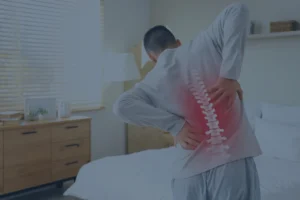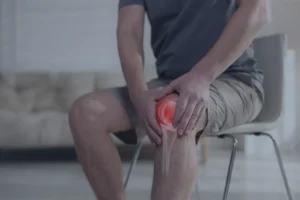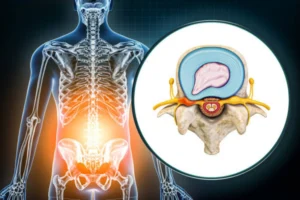

Many patients want to learn how to manage pain without medication because they’re tired of relying on daily pills, dealing with side effects, or masking symptoms instead of treating the real problem. Today’s pain management options go far beyond medication — modern care includes regenerative therapies, targeted injections, minimally invasive procedures, and lifestyle strategies designed to relieve pain at its source.
If you’re looking for medication-free pain relief, our specialists at the Center for Regenerative Therapy and Pain Management can help create a personalized plan.
Why Some Patients Prefer to Avoid Pain Medication
Many people choose non-medication pain relief for a variety of reasons:
- Concerns about long-term side effects: Overuse of certain pain medications can affect the stomach, kidneys, or liver.
- Tolerance or reduced effectiveness: Some medications stop working as well over time.
- Desire for natural or regenerative healing: Patients often want solutions that help the body repair itself.
- Need for targeted, condition-specific treatment: Medication often masks symptoms, while interventional or regenerative treatments address the root cause.
Regenerative & Injection-Based Pain Relief (Without Daily Medication)
Plasma Injections (PRP Therapy)
Plasma injections use your body’s own platelet-rich plasma to stimulate healing and reduce inflammation. PRP is especially helpful for joint pain, tendon injuries, soft-tissue damage, and early degenerative conditions. Because it works with your natural biology, PRP is a strong option for anyone wanting to avoid medication while improving long-term function.
Epidural Steroid Injections
Epidural injections target inflammation around spinal nerves, making them an effective option for sciatica, herniated discs, and spinal stenosis. By delivering medication directly to the irritated nerve, patients can experience significant relief — often without needing daily pain pills.
Nerve Blocks
Nerve blocks temporarily “turn off” pain signals from irritated nerves. They’re used both diagnostically (to confirm the source of pain) and therapeutically (to provide relief). Nerve blocks can help with back pain, neck pain, joint pain, migraines, and nerve-related flare-ups, offering powerful relief without medication dependence.
Radiofrequency Ablation
Radiofrequency ablation (RFA) is a minimally invasive procedure that uses controlled heat to deactivate nerves generating chronic pain. It’s especially effective for arthritic facet joints in the spine. Relief can last six to twelve months or longer, making RFA one of the top long-term non-medication strategies.
Hyaluronic Acid Gel Injections
These injections act as a cushion and lubricant inside the knee joint. They are ideal for osteoarthritis patients who want to reduce joint pain, improve mobility, and avoid relying on daily pain relievers.
Spinal Cord Stimulators
A spinal cord stimulator (SCS) modulates pain signals before they reach the brain, reducing the intensity of chronic pain. It’s an excellent option for patients with chronic nerve pain, Failed Back Surgery Syndrome, diabetic neuropathy, or long-standing back pain — all without medication.
Lifestyle Strategies That Reduce Pain Naturally
Learning how to manage pain without medication often starts with everyday habits that strengthen the body, reduce inflammation, and lower nerve sensitivity. Small, consistent changes can make pain far more manageable.
Strengthening Core & Supportive Muscles
A strong core stabilizes your spine and reduces strain on joints. Strengthening the glutes, hips, and abdominal muscles improves posture, protects the lower back, and decreases the risk of flare-ups. Even simple exercises like bridges, bird dog, or pelvic tilts can make a meaningful difference.
Anti-Inflammatory Diet & Hydration
What you eat directly affects inflammation and pain intensity. Omega-3 rich foods (like salmon, walnuts, chia seeds) help reduce inflammation, while cutting back on processed sugars lowers nerve irritation. Staying properly hydrated keeps your muscles and discs from stiffening, especially overnight.
Stretching & Mobility Work
Daily mobility keeps joints loose and prevents the stiffness that makes pain worse. Gentle stretches for the back, neck, and hips improve flexibility, reduce nerve pressure, and calm tight muscles. Just 5–10 minutes a day can help prevent flare-ups.
Weight Management
Even small reductions in weight can decrease pressure on joints, reduce inflammation, and improve movement. For many patients with back or knee pain, modest lifestyle changes lead to noticeable pain relief.
Improving Sleep Position & Ergonomics
The wrong sleep position can strain your neck, hips, and spine. Proper pillow height, supportive mattresses, and neutral alignment reduce pain significantly. During the day, poor posture at a desk or in the car can also aggravate nerves and joints.
Stress Reduction Techniques
Stress amplifies pain by increasing muscle tension and nerve sensitivity. Breathing exercises, meditation, CBT-inspired strategies, and paced activity help your nervous system stay calmer, making pain easier to manage without medication.
Non-Medication Therapies That Support Pain Control
Physical Therapy
Physical therapy helps restore proper movement patterns, strengthen weak muscle groups, and improve posture — all essential for lasting, medication-free pain relief. A tailored program also helps prevent future injuries.
Heat & Ice Therapy
Both can be effective when used correctly. Ice reduces inflammation and numbs sharp pain, while heat relaxes tight muscles and increases blood flow. These simple tools often provide meaningful relief without medication.
TENS Units & Home-Based Devices
TENS (Transcutaneous Electrical Nerve Stimulation) units work by interrupting pain signals before they reach the brain. They’re safe, non-invasive, and helpful for recurring back or nerve pain.
Massage & Soft Tissue Work
Massage improves circulation, reduces muscle tension, and helps relieve chronic trigger points. It’s especially useful for individuals with fibromyalgia, stress-related pain, or long-term muscle tightness.
When Medication-Free Pain Management Is NOT Enough
While many patients manage pain successfully without medication, some symptoms indicate the need for a professional evaluation:
- Pain lasting longer than 4–6 weeks
- Numbness, tingling, or radiating pain
- Pain that interferes with sleep or daily activities
- Weakness, instability, or trouble walking
- Any sudden red-flag symptoms (bowel or bladder changes)
Our New Jersey pain specialists offer comprehensive evaluations to determine whether regenerative therapy, injections, or a combined plan will bring you long-lasting relief.
Final Thoughts — You CAN Manage Pain Without Daily Medication
There are many safe, effective ways to relieve pain without relying on pills. A combination of regenerative therapies, targeted injections, lifestyle changes, and supportive treatments often provides the strongest results. With the right plan, long-lasting relief is absolutely possible. If you’re ready to reduce pain without medication, schedule your appointment with the Center for Regenerative Therapy and Pain Management today.