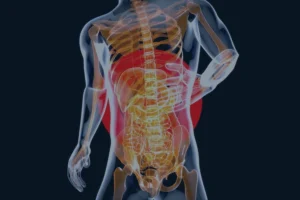

Why does my back hurt when I lie flat? Your back may hurt in this position because lying flat changes the curve of your spine, places pressure on irritated joints or discs, and can make tight muscles or nerve symptoms more noticeable.
That can feel frustrating because lying down is supposed to help. You are trying to rest, but instead your low back starts aching, tightening, or feeling worse after a few minutes.
Back pain while lying flat may come from spinal position, muscle tightness, disc irritation, facet joint pain, sacroiliac joint irritation, hip tightness, or nerve sensitivity. This is different from general nighttime pain because the trigger is often the flat position itself.
If the pain keeps happening, interrupts sleep, or forces you to avoid certain positions, it should not be ignored. The source matters because treatment depends on what is actually being irritated.
If back pain while lying flat is affecting your sleep or daily routine, The Center for Regenerative Therapy and Pain Management offers pain management treatments in New Jersey to help evaluate your symptoms and explore your options.
Why Lying Flat Can Trigger Back Pain
Lying flat changes your spinal position
Your spine has natural curves.
When you lie flat, those curves may change depending on your body, mattress, hip mobility, and leg position. For some people, lying on the back with the legs fully extended can increase strain in the lower back.
This position may cause the low back to arch more than usual. If the joints, discs, muscles, or nerves in that area are already irritated, that extra pressure can make symptoms show up quickly.
The surface matters too. A mattress that is too soft may let the hips sink. A surface that is too firm may increase pressure in certain areas. Either way, lying flat can make your back feel unsupported or overloaded.
Rest can make irritated areas more noticeable
Rest does not always mean instant relief.
When you lie still, there is less movement and fewer distractions. That can make pain more noticeable. Stiff joints, tight muscles, or inflamed tissues may feel worse after settling into one position.
Pain may also build slowly. You may feel okay when you first lie down, then start noticing aching, pressure, tightness, or pinching after several minutes.
This does not always mean the position is causing damage. It may mean the position is irritating an area that is already sensitive.
Tight hips can pull on the low back
Tight hips can affect how your low back feels when you lie flat.
The hip flexor muscles connect through the front of the hips and pelvis. When these muscles are tight, lying with the legs straight can pull the pelvis forward and increase arching in the lower back.
That extra arch may place more stress on the low back, especially if you already have joint irritation, muscle guarding, or spine-related pain.
This is one reason some people feel better when they bend their knees or place a pillow under them. That small position change can reduce tension through the hips, pelvis, and low back.
Common Causes of Back Pain When Lying Flat
Muscle tightness or guarding
Muscle tightness is a common reason your back may hurt when you lie flat.
Even when you are resting, your back muscles may not fully relax. They may stay tense after a long day, overuse, stress, poor posture, injury, or chronic pain.
This is called guarding. It is your body’s way of trying to protect an irritated area. But when muscles stay guarded too long, they can create more soreness, stiffness, and aching.
Muscle-related pain may feel tight, sore, stiff, or achy. It may improve when you change positions, bend your knees, stretch gently, or get up and move around.
Facet joint irritation
Facet joints are small joints in the spine that help guide movement.
When these joints become irritated, lying flat may make symptoms worse, especially if the low back arches in that position. The same type of pain may also show up when standing too long or arching backward.
Facet-related pain may feel deep, stiff, pinching, or one-sided. Some people feel it across the lower back, while others feel it more on one side.
Because facet joint irritation can feel similar to muscle, disc, or SI joint pain, a proper evaluation can help identify whether these joints are part of the problem.
Disc-related pain
Disc-related pain can also change with position.
Spinal discs sit between the bones of the spine and help absorb pressure. When a disc is irritated, inflamed, or affecting a nearby nerve, certain positions may make symptoms worse.
For some people, lying flat feels better. For others, it increases pressure or tension and makes pain more noticeable.
Disc-related pain may stay in the back, but it can also spread into the buttock, hip, or leg if a nerve is involved. Pain that radiates, especially below the knee, should be evaluated.
Sacroiliac joint irritation
The sacroiliac joints, often called SI joints, connect the spine and pelvis.
When these joints are irritated, lying flat may stress the pelvis depending on your position, mattress support, and leg placement. The pain may feel worse on one side or near the back of the hip.
SI joint pain may be felt in the low back, buttock, hip, or upper thigh. It can sometimes feel like back pain, hip pain, or both.
Because SI joint symptoms can overlap with spine and nerve-related pain, it can be hard to identify the source without an exam.
Hip flexor tightness or pelvic position
Hip flexor tightness can pull the pelvis into a position that stresses the low back.
This may be more noticeable when lying flat with the legs straight. If the front of the hips feels tight or the low back feels overly arched, the hips and pelvis may be contributing.
Bending the knees may reduce tension by changing the pelvic position. Hip mobility, glute strength, and posture can also affect how much pressure the low back takes.
This does not mean every case is just tight hips. But hip and pelvic mechanics are worth considering when pain shows up mainly in certain positions.
Nerve irritation
Some lying positions can irritate sensitive nerves.
Nerve-related symptoms may include burning, tingling, numbness, shooting pain, leg heaviness, or discomfort that travels into the buttock, thigh, calf, or foot.
Nerve symptoms can change with position. Lying flat may stretch or load irritated tissues in a way that makes symptoms more noticeable.
Pain that travels below the knee, causes weakness, or comes with numbness or tingling should be evaluated.
Why Bending Your Knees May Help
Bent knees can reduce low back tension
Bending your knees changes the position of your pelvis and lower spine.
For many people, this reduces arching in the low back. It can also ease tension from tight hip flexors, irritated spinal joints, or guarded muscles.
That is why placing a pillow under the knees may help when lying on your back. It supports the legs, softens the position, and may reduce pressure through the low back.
This is not a cure by itself, but it can be a helpful way to reduce irritation while resting.
Position changes can reveal clues
The positions that help or hurt can give useful information.
If your pain feels better with your knees bent, the issue may involve position-related stress on the low back, hips, pelvis, joints, discs, or nerves.
If your pain feels worse with your legs straight, that may suggest tight hip flexors, spinal joint irritation, disc sensitivity, or nerve tension.
These patterns do not diagnose the problem on their own. But they can help your provider understand what may be causing the pain.
Temporary relief also does not always mean the problem is minor. If pain keeps returning or interrupts your sleep, it is worth getting evaluated.
Lying Flat vs. Sleeping Position Pain
Lying flat pain
Lying flat pain is specifically triggered by being flat on your back.
It may happen quickly after lying down, or it may build after several minutes. It may improve when you bend your knees, turn onto your side, or sit up.
The issue is often related to position, spinal loading, pelvic angle, muscle tension, or nerve sensitivity.
This is different from pain that happens only after hours of sleep or only in the morning.
General sleeping position pain
General sleeping position pain can come from many different sleep-related factors.
Side sleeping, stomach sleeping, pillow height, mattress support, or staying in one position too long can all contribute. Symptoms may be worse in the morning or after a full night of limited movement.
Back pain while lying flat is more specific. The main issue is the flat-on-back position itself, not just sleep in general.
That distinction matters because the solution may depend on whether the pain is caused by spinal position, hip tightness, joint irritation, disc pressure, or nerve symptoms.
What Back Pain While Lying Flat Can Feel Like
Common symptoms
Back pain while lying flat can feel different from person to person.
You may feel low back aching, stiffness, pressure, pinching, tightness, or one-sided pain. Some people feel pain across the entire lower back. Others feel it more near the spine, pelvis, hip, or buttock.
The pain may improve when you bend your knees, place a pillow under them, turn onto your side, or sit up. It may also feel better once you get moving.
These patterns can help narrow down what may be irritating the back.
Symptoms that may suggest nerve involvement
Certain symptoms may suggest that nerves are involved.
These include burning, tingling, numbness, shooting pain, leg heaviness, weakness, or pain that travels into the buttock, thigh, calf, or foot.
Nerve symptoms should not be ignored, especially if they are new, worsening, or traveling below the knee.
If lying flat triggers back pain along with leg symptoms, a pain management specialist can help evaluate whether a nerve, disc, spine condition, or another source may be involved.
What You Can Try at Home
Support your knees
If lying flat makes your back hurt, try placing a pillow under your knees.
This small change can reduce arching in the low back and take pressure off irritated muscles, joints, or nerves. It may also help relax tight hip flexors that pull on the pelvis when your legs are straight.
Do not force yourself to stay flat if the position clearly makes symptoms worse. Use the position change as information. If bending your knees helps, that may be a clue that your pain is related to spinal position, hip tightness, pelvic angle, or low back tension.
Check your mattress support
Your mattress can affect how your back feels when you lie flat.
A mattress that is too soft may let your hips sink, which can increase stress on the low back. A mattress that is too firm may create pressure points and make irritated areas more noticeable.
The goal is support that keeps your spine comfortable without forcing your body into one strained position. That said, mattress changes are not a cure for every case of back pain. If pain keeps happening, there may be an underlying muscle, joint, disc, nerve, or SI joint issue.
Change positions slowly
How you move in and out of bed matters too.
Try rolling to your side before sitting up instead of doing a quick sit-up motion from your back. Avoid sudden twisting when getting out of bed, especially if your back already feels stiff or irritated.
Move gently after resting. A few slow movements before standing may help reduce stiffness and make the transition easier.
Pay attention to which movements trigger pain and which ones relieve it. Those details can help a pain specialist understand what may be driving your symptoms.
Gentle stretching and mobility
Gentle movement may help if lying-flat pain is related to tightness, stiffness, or poor support around the low back and hips.
Helpful options may include hip flexor stretching, hamstring mobility, low back mobility, glute strengthening, and core stability work. Walking within your tolerance may also help keep the back from getting stiff.
The key is not to force anything. If a stretch causes sharp pain, radiating pain, numbness, tingling, or worsening symptoms, stop and get evaluated.
When Back Pain Lying Flat Should Be Evaluated
Signs you should see a specialist
Back pain while lying flat should be evaluated if it keeps happening, disrupts your sleep, or lasts more than a few weeks.
You should also consider seeing a specialist if the pain is getting worse, spreads into the buttock, hip, or leg, or only improves in very specific positions. Pain that forces you to avoid sleeping on your back or keeps waking you up should not be brushed off.
If conservative care is not helping, such as rest, stretching, activity changes, over-the-counter medication, or physical therapy, it may be time to look more closely at the source.
Red flags to watch for
Some symptoms need urgent attention.
Watch for numbness, tingling, leg weakness, loss of balance, fever with back pain, unexplained weight loss, pain after a major fall or injury, or severe unexplained pain.
Seek urgent care or emergency care right away if you have loss of bladder or bowel control, sudden weakness, numbness in the groin or saddle area, or severe neurological symptoms.
How a Pain Management Specialist Can Help
Identifying the pain source
A pain management specialist can help determine why lying flat is triggering your back pain.
The evaluation may include a medical history, sleep and position symptom review, physical exam, movement testing, strength checks, reflex testing, and sensation testing. Your provider may ask when the pain starts, what position makes it better, whether bending your knees helps, and whether symptoms travel into the leg.
Imaging may be recommended when needed. In some cases, diagnostic injections may help confirm whether a specific joint, nerve, or spinal structure is contributing to the pain.
The goal is to identify the source, not just treat the position that bothers you.
Treatment depends on the cause
Treatment depends on what is causing the pain.
Back pain while lying flat may come from muscle guarding, facet joint irritation, disc-related pain, SI joint irritation, nerve involvement, hip tightness, or another condition. Each source may need a different approach.
Depending on the diagnosis, treatment options may include Medication Management, Nerve Blocks, Steroid Injections, Epidural Injections, Radiofrequency Ablation, Spinal Cord Stimulators, or Plasma Injections.
These treatments are not used for every case of back pain while lying flat. The right option depends on whether the source is muscular, joint-related, nerve-related, disc-related, SI joint-related, or another condition.
The Center for Regenerative Therapy and Pain Management sees patients in Shrewsbury and Toms River, helping people better understand their back pain and explore treatment options based on the source of their symptoms.
Frequently Asked Questions About Back Pain When Lying Flat
Why does my lower back hurt when I lie flat?
Lower back pain when lying flat may happen because the position changes spinal pressure, increases low back arching, irritates tight muscles, affects the SI joints, or places stress on discs, joints, or nerves.
Why does putting a pillow under my knees help back pain?
A pillow under the knees can reduce tension in the low back by changing the position of the pelvis and spine. This may help some people feel less pressure while lying on their back.
Can a bad mattress cause back pain when lying flat?
A mattress can contribute to back pain if it does not support your spine well. However, mattress support is only one factor. Ongoing pain may also involve muscles, joints, discs, nerves, or SI joint irritation.
Is back pain when lying flat a disc problem?
It can be, but not always. Disc-related pain may change with position, but lying-flat pain can also come from muscles, facet joints, SI joints, hip tightness, posture, or nerve irritation.
When should I see a doctor for back pain when lying down?
You should get evaluated if pain keeps happening, disrupts sleep, lasts more than a few weeks, worsens, spreads into the leg, causes numbness or weakness, or affects daily life.
Conclusion
Back pain when lying flat can happen for several reasons.
The flat position changes spinal pressure and pelvic position. For some people, that can irritate tight muscles, facet joints, discs, nerves, SI joints, or hip-related tension.
Pain that keeps interrupting rest should be evaluated. Rest is important, but if one resting position repeatedly causes pain, the source matters.
Treatment should focus on what is actually causing the pain, not just the symptom itself.
If your back hurts when you lie flat and it is affecting your sleep or daily routine, The Center for Regenerative Therapy and Pain Management offers pain management treatments in New Jersey to help identify the source and build a treatment plan that fits your symptoms.