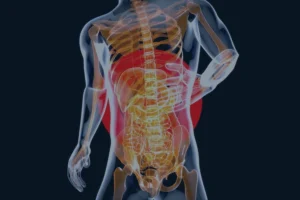

Why Injections Are a Trusted Solution for Pain Management
Back pain injections are one of the most effective non-surgical tools doctors use to manage and reduce chronic pain. These targeted treatments deliver relief exactly where the pain starts—usually around irritated nerves, inflamed joints, or damaged tissue.
Because of their precision, injections are often recommended before considering surgery. They can ease symptoms enough to help patients avoid more invasive procedures altogether. In many cases, injections allow people to return to work, physical activity, or physical therapy faster.
Common conditions treated with injections include:
- Herniated or bulging discs
- Spinal stenosis
- Sciatica and nerve root pain
- Osteoarthritis or facet joint arthritis
Types of Injections for Back Pain Relief
Back pain injections come in different forms depending on the condition and source of pain. Here’s a breakdown of the most common options used in modern pain management:
Epidural Injections for Pain Management
Epidural injections are one of the most well-known back pain injections, often used to reduce inflammation around irritated spinal nerves. They deliver a corticosteroid directly into the epidural space—the area around your spinal cord—helping to relieve pain caused by pressure or inflammation.
They’re frequently recommended for:
- Herniated discs
- Sciatica
- Spinal stenosis
Pain relief from an epidural injection can last anywhere from a few weeks to several months. Many patients experience enough improvement to resume normal activities or continue with physical therapy more comfortably.
Steroid Injections for Pain and Inflammation
Steroid injections, sometimes confused with epidurals, are another common type of back pain injection. Unlike epidurals which are delivered into the spinal canal, steroid injections can be placed directly into inflamed joints or soft tissue.
They work by delivering a powerful anti-inflammatory corticosteroid to the affected area—offering quick pain relief for patients struggling with arthritis, joint inflammation, or soft tissue pain.
Benefits include:
- Fast-acting pain reduction (within a few days)
- Reduced swelling and pressure around nerves
Side effects are generally mild, but repeated use should be limited to avoid tissue weakening. Relief typically lasts several weeks to a few months.
Hyaluronic Acid Gel Injections for Spinal Joint Pain
While hyaluronic acid (HA) gel injections are more commonly associated with knee or joint pain, they can also be beneficial for certain types of spinal joint discomfort—especially when stiffness and lack of joint fluid are part of the issue.
These back pain injections help by:
- Lubricating spinal joints and improving mobility
- Reducing friction and stiffness in degenerative joint conditions
Unlike corticosteroids, HA injections don’t reduce inflammation directly. Instead, they support smoother joint movement and may complement other treatments for longer-lasting comfort.
Plasma Injections (PRP) for Back Pain
Plasma injections—also known as platelet-rich plasma (PRP) therapy—use your own blood to jumpstart healing in damaged tissues. After a small sample is drawn and spun in a centrifuge, the platelet-rich portion is injected into the injured area.
PRP is particularly helpful for:
- Soft tissue injuries like ligament sprains or tendon tears
- Degenerative disc disease or early-stage arthritis
These natural back pain injections offer a minimally invasive alternative to medication or surgery. Because PRP uses your own cells, the risk of adverse reactions is low, and it promotes long-term healing—not just symptom relief.
How to Know if Injections Are Right for You
Back pain injections are often the next step when medications, stretching, or physical therapy just aren’t cutting it. If your pain is persistent, limits your movement, or keeps returning despite conservative treatments, injections may offer the targeted relief you need.
Before recommending any injection, your provider will usually order imaging—like an MRI or X-ray—to locate the source of pain. This helps ensure the injection goes exactly where it’s needed for the best results.
Once the issue is identified, your pain management specialist will create a personalized treatment plan. This could include one or more types of injections, combined with other therapies to support long-term relief.
What to Expect Before, During, and After Your Injection
Most back pain injections are quick, low-risk outpatient procedures—usually taking less than 30 minutes from start to finish.
Before Your Injection
You’ll have a consultation to confirm your diagnosis and discuss your treatment goals. Imaging results will guide the exact injection site.
During the Injection
You may lie face down or sit upright depending on the type of injection. A numbing agent is applied, and then the medication is delivered using a small needle—often with X-ray guidance for precision. Most patients describe the pain as minimal, like a quick pinch or pressure.
After the Injection
You’ll likely rest for a short period before going home. Some people feel relief within hours, while others notice improvement over a few days. Mild soreness around the injection site is normal. Your provider will let you know about restrictions or activity recommendations.
Injections vs. Other Back Pain Treatments
Back pain injections differ from treatments like oral medications or chiropractic care because they go straight to the source of the problem.
Injections vs. Oral Medications
Medications travel through the bloodstream and can affect your entire body, often with side effects. Injections are localized, meaning fewer systemic risks and faster pain relief.
Injections vs. Physical Therapy or Chiropractic Care
Physical therapy and chiropractic work well for strengthening muscles and improving mobility—but they may not reduce inflammation or nerve pain right away. Injections can offer immediate relief, making it easier to participate in rehab.
The Power of Combining Treatments
In many cases, back pain injections work best when combined with other therapies. Injections can calm inflammation and pain, while physical therapy helps restore strength and function—leading to a more complete recovery.
Are Injections Safe? Common Questions Answered
Back pain injections are generally safe and well-tolerated when performed by a trained professional. However, like all procedures, they come with a few important considerations.
Side Effects and Risks
Most side effects are mild—such as soreness at the injection site or a temporary increase in pain. Serious complications like infection or nerve damage are rare but possible. Your provider will explain all risks before treatment.
How Often Can You Get Injections?
It depends on the type of injection and your specific condition. For example, steroid injections are typically limited to a few per year to avoid weakening tissue. PRP and hyaluronic acid may be used more frequently.
Are Injections Covered by Insurance?
In most cases, yes—especially for well-established treatments like epidural or steroid injections. Coverage varies by provider, so it’s a good idea to check with your insurance before scheduling.
Final Thoughts: The Role of Injections in Long-Term Pain Management
Back pain injections offer powerful, targeted relief for both chronic and acute pain—without the risks or recovery time associated with surgery. They reduce inflammation, relieve pressure on nerves, and allow you to get back to doing what you love.
That said, the best results come from a clear diagnosis and a thoughtful, customized treatment plan. When injections are combined with expert care and other supportive therapies, they can be a key part of your long-term recovery.
Ready to explore injections for pain management in New Jersey? Contact NJ Pain Therapy today to schedule your consultation with Dr. Huch.