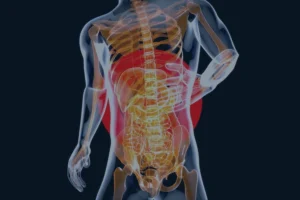

Epidural injections for back pain are a common treatment used to relieve discomfort caused by irritated or inflamed spinal nerves. By delivering anti-inflammatory medication directly into the epidural space around the lower spine, these injections can provide meaningful relief for many people struggling with chronic or severe back pain.
This approach is one of the most widely used treatments for lower back problems because it targets pain at the source rather than masking it with oral medications. Patients who often benefit include those with sciatica, herniated discs, or spinal stenosis, as well as individuals whose pain hasn’t improved through rest, medication, or physical therapy.
What Is a Lumbar Epidural Injection?
A lumbar epidural injection is a minimally invasive procedure that delivers a corticosteroid, sometimes combined with a local anesthetic, into the lower part of the spinal canal. The goal is to calm inflammation and reduce pain signals traveling from the lower back to the legs.
Lumbar vs Cervical Injections
The main difference between lumbar and cervical epidurals is location. Lumbar injections target the lower back, while cervical injections are focused on the neck region. Both work on the same principle—reducing nerve inflammation to ease pain—but are applied to different parts of the spine.
Conditions That May Require Lumbar Injections
- Herniated or bulging discs pressing on spinal nerves
- Spinal stenosis narrowing the spinal canal
- Sciatica causing radiating leg pain
- Arthritis or degenerative changes in the lower spine
When Are Back Epidural Injections Recommended?
Pain Management doctors typically recommend back epidural injections when pain has persisted despite more conservative options.
Herniated Discs, Bulging Discs, and Sciatica
These conditions often cause nerve compression, leading to lower back pain, tingling, or weakness radiating down the legs. Epidural injections can ease nerve irritation and improve mobility.
Spinal Stenosis and Arthritis
When the spinal canal narrows or joints become inflamed, chronic pain and stiffness are common. Injections help reduce inflammation and provide relief that medications alone may not achieve.
Candidates for Epidural Injections
The best candidates are patients with:
- Ongoing lower back pain radiating into the legs
- Pain that interferes with daily activities
- Limited relief from medications, rest, or physical therapy
How the Lumbar Epidural Procedure Works
Understanding the process helps patients know what to expect and eases anxiety before the procedure.
Preparation Steps
The patient lies on their stomach or side, and the lower back is cleaned and numbed with a local anesthetic. A sterile environment is maintained throughout.
Role of Imaging Guidance
The physician uses fluoroscopy (a type of live X-ray) to guide the needle into the correct position, ensuring the medication is placed precisely in the epidural space.
What the Injection Feels Like
Patients may feel slight pressure or a warm sensation as the medicine is injected. Some experience brief tingling if the medication touches a nerve, but discomfort is generally mild and temporary.
How Long the Procedure Takes
From start to finish, the procedure typically lasts 15–30 minutes, with the injection itself taking only a few minutes. Most patients can go home the same day.
Benefits of Epidural Injections for Back Pain

Epidural injections for back pain are often chosen because they provide targeted relief without requiring invasive surgery.
Quick Pain Relief
Many patients notice relief within a few days, allowing them to move more comfortably and get back to daily activities.
Reduced Swelling Around Irritated Nerves
The steroid medication calms inflammation, which eases pressure on the nerves and helps reduce radiating pain into the legs.
Ability to Resume Physical Therapy and Activity
With less pain, patients can participate in therapy and exercises that strengthen the back and improve long-term outcomes.
May Delay or Prevent Surgery
For some, injections provide enough relief to avoid or postpone surgery, especially in cases of herniated discs or spinal stenosis.
Risks and Side Effects of Lumbar Epidural Injections
While generally safe, lumbar epidural injections do carry some potential side effects.
Short-Term Side Effects
- Mild soreness at the injection site
- Temporary headache
- Brief increase in pain before improvement
Rare Risks
Though uncommon, risks can include infection, bleeding, or nerve injury. These are closely monitored and minimized by following strict safety protocols.
Why Risks Are Low
When performed by experienced pain management doctors using fluoroscopy or X-ray guidance, the procedure is considered very safe.
Recovery After a Back Epidural Injection
Recovery is usually straightforward and quick.
Immediately After the Procedure
Patients may feel temporary numbness, weakness, or heaviness in their legs, which typically resolves within hours.
Restrictions for the First 24 Hours
- Avoid driving until the following day
- Skip strenuous activity or heavy lifting
- Rest and monitor for any unusual side effects
Timeline for Pain Relief
Relief may begin within a few hours, but in some cases, it takes 2–5 days for the steroid to reach its full effect.
How Long Does Relief From Back Epidural Injections Last?
The duration of relief varies depending on the cause and severity of back pain.
Typical Relief Window
Most patients experience weeks to months of pain relief.
Why Some Need Repeat Injections
Chronic conditions may require a series of injections to maintain long-term comfort.
How Many Injections Are Safe in a Year
Doctors usually limit epidural injections to three per year, spaced weeks apart, to ensure safe levels of steroid exposure.
Alternatives to Epidural Injections for Back Pain
Injections aren’t the only option — several alternatives may help reduce or manage pain.
Physical Therapy and Core Strengthening
Exercise programs that target the spine and core muscles help stabilize the back and reduce pressure on nerves.
Medications and Nerve Blocks
Oral pain relievers, anti-inflammatories, or temporary nerve blocks can provide additional relief.
Regenerative Medicine Options
Treatments like platelet-rich plasma (PRP) or plasma injections focus on promoting healing rather than just masking pain.
Surgery as a Last Resort
In severe cases, surgery may be considered if pain continues to disrupt daily life or neurological function.
Choosing the Right Specialist for Back Epidural Injections
The right pain management provider makes all the difference in safety and effectiveness.
Importance of Board-Certified Pain Management Doctors
Certification ensures your doctor has the specialized training required for these delicate procedures.
Experience With Lumbar Procedures
An experienced physician can better tailor treatment to your specific condition and minimize risks.
Why Imaging Guidance Matters
Using fluoroscopy or X-ray ensures the medication is delivered precisely to the affected area, increasing effectiveness and safety.
Conclusion: Are Back Epidural Injections Right for You?
Epidural injections for back pain can be a powerful tool for reducing pain, easing inflammation, and improving mobility. They aren’t a cure, but they provide a path to relief that allows many patients to delay or avoid surgery.
If back pain is interfering with your life, it’s worth discussing this treatment option with a qualified specialist.
Schedule a consultation with The Center for Regenerative Therapy & Pain Management to see if epidural injections for back pain can help you.