
If you’ve ever felt shooting pain from your lower back down your leg, you know how frustrating sciatica can be. That burning or tingling sensation can interrupt your workday, your sleep, and even simple things like walking or sitting comfortably.
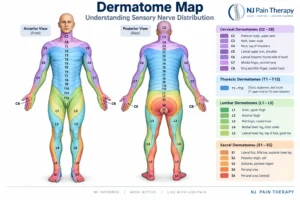
Sciatica happens when the sciatic nerve—the longest nerve in the body—becomes compressed or irritated. This nerve runs from the lower spine through the hips and down each leg, which is why pain often radiates along that path.
The good news? The way you move, sit, and care for your body can play a major role in recovery. Simple daily habits can either speed up healing or make symptoms linger longer.
Let’s look at what helps — and what doesn’t — when managing sciatica safely and effectively.
What You Should Do for Sciatica Relief
Do Stay Active — Even When It’s Uncomfortable
When you’re in pain, the first instinct might be to rest—but staying completely still can actually make sciatica worse. Gentle movement prevents stiffness, improves circulation, and helps the body heal.
Choose low-impact activities that keep you mobile without straining your back, such as walking, swimming, or yoga. Even short, consistent activity helps relieve nerve pressure. Avoid prolonged bed rest; too much inactivity weakens the supporting muscles around your spine and slows recovery.
Do Focus on Proper Posture
Sitting or standing incorrectly increases pressure on your lumbar spine and can aggravate sciatic pain. Good posture helps align the spine and reduces stress on the lower back.
When sitting, use an ergonomic chair that supports your lower back. Keep your feet flat, shoulders relaxed, and maintain a neutral spine—avoid slouching or leaning forward for long periods. If you sit for work, take a standing or walking break every 30 minutes to reduce strain.
Do Use Heat and Cold Therapy
Temperature therapy can go a long way in easing sciatic discomfort. Cold therapy helps reduce inflammation and numb sharp pain during the first few days of a flare-up, while heat therapy relaxes tight muscles and improves blood flow once the acute pain subsides.
For best results, alternate between hot and cold treatments. Apply each for 15–20 minutes at a time, several times a day, using a towel barrier to protect your skin. This combination keeps pain under control while promoting healing in the surrounding tissues.
Do Strengthen Core and Back Muscles
Your core muscles—including your abs, lower back, and hips—act as the body’s natural support system. When they’re weak, your spine bears more stress, increasing the risk of nerve compression.
Engage in core-strengthening exercises to stabilize your spine and improve posture. Movements like pelvic tilts, gentle bridges, or guided stretches can be effective when done safely. Consider supervised physical therapy or ask your pain management specialist for a custom exercise plan tailored to your condition.
Do Maintain a Healthy Weight and Diet
Carrying extra weight puts additional strain on your lower back, which can worsen sciatica symptoms. Maintaining a healthy body weight helps relieve pressure on spinal discs and nerves.
Adopt an anti-inflammatory diet that supports healing: lean proteins, leafy greens, colorful fruits, nuts, and foods rich in omega-3s like salmon or chia seeds. Staying well-hydrated also keeps your joints and spinal discs cushioned and functioning properly.
Do Get Professional Treatment When Needed
If your pain doesn’t improve within a week—or if it’s getting worse—it’s time to see a pain management specialist. Persistent sciatica may require targeted medical treatment to address nerve irritation and inflammation directly.
Effective options include epidural steroid injections, nerve blocks, radiofrequency ablation, and regenerative therapies designed to restore healthy nerve function. The earlier you seek professional help, the more likely you’ll prevent chronic nerve damage and enjoy lasting relief.
What You Should Avoid When You Have Sciatica
Don’t Sit or Lie Down for Long Periods
It might feel natural to rest when you’re hurting, but staying still for too long can actually make sciatica worse. Extended sitting increases pressure on your spinal discs, which can irritate the sciatic nerve even more.
Avoid soft couches or slouched positions, which throw your lower back out of alignment. If you work at a desk, set reminders to stand, stretch, or walk around every 20–30 minutes. Keeping your body gently active prevents stiffness and encourages healing.
Don’t Perform High-Impact or Twisting Exercises
Certain movements can make sciatic pain flare up fast. Avoid heavy squats, deadlifts, or toe touches, all of which place excess strain on your lower spine. Hamstring stretches can also aggravate the nerve, especially during flare-ups.
Instead, focus on low-impact activities like walking, light stretching, or aquatherapy. The goal is to stay mobile without irritating the affected nerve.
Don’t Lift Heavy Objects Improperly
Bending the wrong way is one of the quickest ways to trigger sciatic pain. When you bend at the waist, your lumbar spine takes on the full weight of the object, which can worsen nerve compression.
To lift safely, bend your knees, keep your back straight, and hold the object close to your body. Move slowly and avoid twisting while lifting. If something feels too heavy—don’t risk it.
Don’t Ignore Your Pain
“Pushing through it” rarely works with nerve pain. Ignoring sciatica can turn a manageable condition into a long-term issue. Persistent pain, numbness, or weakness in your legs should never be ignored—especially if you notice changes in bowel or bladder control, which can signal a serious condition called cauda equina syndrome.
When in doubt, get evaluated by a pain management specialist. Early treatment prevents chronic nerve damage and helps restore normal function.
Don’t Smoke
Smoking limits blood flow to spinal discs and slows down the body’s healing process. It also increases inflammation, which makes sciatic pain more frequent and harder to manage. Quitting—or even cutting back—improves circulation and reduces the risk of recurring flare-ups.
Don’t Overuse Pain Medications
Over-the-counter medications can be useful for short-term relief, but they’re not a long-term solution. Relying too heavily on pain pills can mask symptoms, leading you to overexert yourself without realizing it.
Prolonged use can also damage your kidneys, heart, or stomach lining. Always follow your doctor’s instructions, and use medication as one part of a broader treatment plan—not the only one.
When to Seek Professional Help
You don’t have to live with nerve pain that limits your life. See a pain management specialist if you experience:
- Pain lasting longer than a week
- Numbness or weakness in your legs or feet
- Pain that interferes with work, sleep, or daily function
At the Center for Regenerative Therapy and Pain Management, our specialists use advanced imaging and targeted treatments to pinpoint the exact cause of your pain. This allows us to treat the source—not just the symptoms—so you can return to your normal routine safely.
Professional Sciatica Treatments at the Center for Regenerative Therapy and Pain Management
- Epidural steroid injections: Reduce inflammation and swelling near the affected nerve roots for faster pain relief.
- Nerve blocks: Provide targeted, temporary relief during severe flare-ups to help you move comfortably again.
- Radiofrequency ablation: A non-surgical procedure that disrupts pain signals for long-lasting comfort.
- Regenerative therapies (PRP): Use your body’s natural growth factors to repair tissue and promote healing.
- Physical therapy: Improves posture, flexibility, and core strength—key to preventing future episodes.
Our New Jersey pain management specialists in Shrewsbury and Toms River create personalized treatment plans to keep you active, mobile, and pain-free year-round.
Frequently Asked Questions
What’s the fastest way to relieve sciatica pain?
Cold therapy, gentle movement, and professional evaluation are the quickest ways to ease symptoms. In more severe cases, targeted injections can bring immediate relief.
How long does sciatica usually last?
Mild cases often improve within a few weeks, while chronic or untreated sciatica can persist for months. Getting early treatment helps shorten recovery time.
Can sciatica heal on its own?
Yes, many mild cases improve with rest, proper posture, and self-care. However, recurring symptoms or worsening pain require professional treatment to address the underlying cause.
What’s the best sleeping position for sciatica?
Sleep on your side with a pillow between your knees, or on your back with a cushion under your knees to reduce spinal pressure and nerve irritation.
Finding Relief at the Center for Regenerative Therapy and Pain Management
Don’t let sciatica slow you down. At the Center for Regenerative Therapy and Pain Management, our specialists combine advanced diagnostics and proven treatments to help you recover faster and live pain-free. Whether your symptoms are new or chronic, we’ll create a plan that restores your mobility and confidence.
With locations in Shrewsbury and Toms River, New Jersey, relief is always close to home. Schedule a consultation today.